SUGAR AND COCONUT SURFACTANTS

SUGAR AND COCONUT SURFACTANTS

March 13 2024 – Dr. Luise Berger

1. DESCRIPTION OF SUGAR AND COCONUT SURFACTANTS:

Sugar and coconut surfactants are mild, biodegradable surfactants derived from natural sources such as coconut oil and sugar. They are known for their gentle cleansing properties and are frequently used in skin care products. These surfactants are particularly gentle on the skin and are therefore ideal for gentle cleansing without irritating or drying out the skin.

2. EFFECTS OF SUGAR AND COCONUT SURFACTANTS:

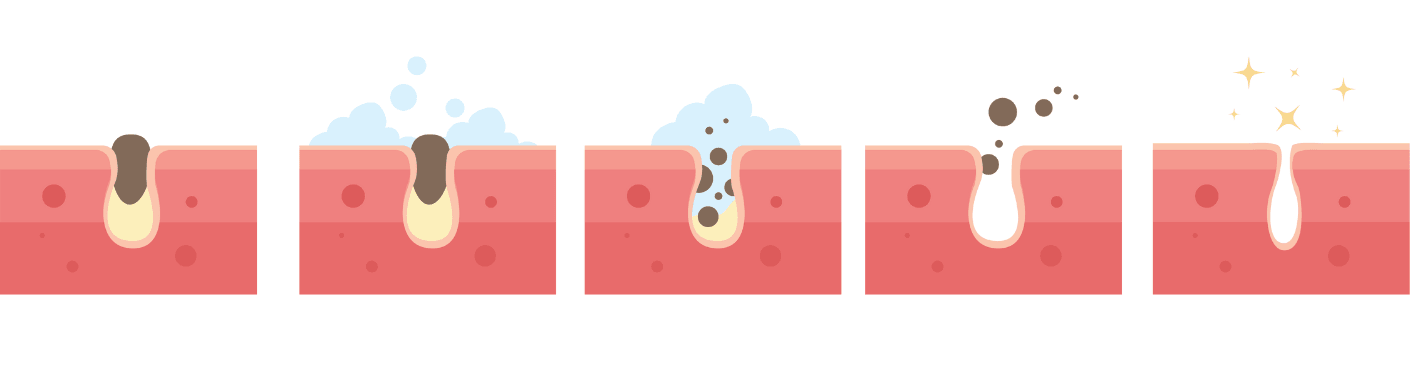
Sugar and coconut surfactants work on the skin's surface to gently remove dirt, oil, and makeup. They help effectively cleanse the skin without disrupting its natural protective barrier. These surfactants are particularly suitable for sensitive skin types and help keep the skin soft and supple.

3. USE OF SUGAR AND COCO SURFACTANTS:

These surfactants are found in a wide variety of skin care products, including facial cleansing foams, shower gels, and shampoos. They are a popular choice in natural and organic skin care products because they provide gentle cleansing and are suitable for all skin types.

4. SKIN PROBLEMS THAT SUGAR AND COCO SURFACTANTS ARE EFFECTIVE AGAINST:

  • Sensitive Skin and Skin Irritations
  • Dry Skin and Lack of Moisture
  • General Skin Impurities and Dirt

WHAT ARE SUGAR AND COCONUT SURFACTANTS?

Sugar and coconut surfactants are a special type of surfactant derived from natural sources that play an important role in skin care and facial cleansing products. These surfactants are primarily made from coconut oil and sugar, and the manufacturing process involves the esterification of fatty acids from coconut oil with sugar molecules.

The production of sugar- and coconut-based surfactants typically begins with coconut oil, which is rich in medium-chain fatty acids. These fatty acids are isolated and then chemically bonded to sugar molecules derived from natural sources such as glucose or sucrose. The result is a nonionic surfactant that has excellent cleansing properties but is also milder and gentler on the skin than many conventional surfactants.

NATURAL SOURCES OF SUGAR AND COCONUT SURFACTANTS

The production of sugar- and coconut-based surfactants is based on natural raw materials, primarily coconut oil and sugar, which are sourced from various sources.

Coconut oil:

Coconut oil is a key ingredient in the production of cocosurfactants. It is extracted from the flesh of coconuts, which are grown in tropical regions such as Southeast Asia, Africa, and parts of South America. Coconuts are known for their high content of medium-chain fatty acids, which form the basis for the production of cocosurfactants.

Sugar:

Sugar, the other key component of sugar and coconut surfactants, is extracted from plants such as sugarcane or sugar beets. Sugarcane is widely grown in tropical regions, while sugar beets are primarily cultivated in temperate climates. The sugar extracted from these plants is then incorporated into the surfactant manufacturing process.

These natural sources are renewable and provide a sustainable basis for the production of sugar- and coconut-based surfactants. The use of coconut oil and sugar from environmentally friendly and renewable sources underscores DOC.BERGER | EFFECT’s commitment to sustainability and environmental protection.

BENEFITS OF SUGAR AND COCONUT SURFACTANTS IN SKIN CARE

Sugar and coconut surfactants are highly valued in skin care for their unique properties and are frequently used in modern cosmetic products.

GENTLE CLEANSING WITH SUGAR AND COCONUT SURFACTANTS:

The gentle cleansing action is a major advantage of sugar and coconut surfactants. These surfactants are particularly gentle and mild on the skin, which is why they are ideal for sensitive skin types. Compared to conventional surfactants, sugar and coconut surfactants cause less skin irritation and dryness.

SUGAR AND COCONUT SURFACTANTS ARE GENTLE ON THE SKIN:

Sugar and coconut surfactants are known for their high skin compatibility. They support the skin’s natural moisture balance and help maintain the skin barrier. Because of these properties, sugar and coconut surfactants are ideal for dry, sensitive, or allergy-prone skin.

ENVIRONMENTAL FRIENDLINESS OF SUGAR- AND COCONUT-BASED SURFACTANTS:

The environmentally friendly production of sugar and coconut surfactants from renewable raw materials such as coconut oil and sugar is a major advantage. Their biodegradability and the sustainable cultivation of their raw materials contribute to a smaller ecological footprint, making them an environmentally conscious choice in skin care.

VERSATILE APPLICATIONS OF SUGAR AND COCONUT SURFACTANTS:

Sugar and coconut surfactants are versatile and are used in a wide range of skin care products. Their mild cleansing action and good skin compatibility make them a valuable ingredient in the formulation of cleansing products for the face, body, and hair.

MAINTAINING SKIN HEALTH WITH SUGAR AND COCONUT SURFACTANTS:

With their gentle cleansing action, sugar and coconut surfactants support the health and well-being of the skin. They effectively remove dirt and impurities without compromising the skin’s natural protective barrier, thereby promoting healthy and balanced facial cleansing.

F0E4DC_56 - DOC.BERGER | EFFECT

SUGAR AND COCONUT SURFACTANTS IN VARIOUS SKIN CONDITIONS

Sugar and coconut surfactants, known for their gentle and effective cleansing properties, are suitable for various skin conditions. Here are a few examples of how they can work for different skin conditions:

SUGAR AND COCONUT SURFACTANTS FOR SENSITIVE SKIN:

Sugar and coconut surfactants are ideal for sensitive skin because they gently cleanse without irritating or drying out the skin. Their mild formulation helps prevent skin irritation and redness, making them a safe choice for sensitive skin types.

SUGAR AND COCONUT SURFACTANTS FOR DRY SKIN:

For dry skin, sugar and coconut surfactants help gently cleanse the skin while supporting its natural moisture balance. They help hydrate and nourish the skin, which helps relieve dryness and tightness.

SUGAR AND COCONUT SURFACTANTS FOR OILY SKIN:

Sugar and coconut surfactants can also be effective for oily skin. They remove excess oil and impurities without stripping the skin of too much oil. This helps clarify the complexion and reduce shine.

SUGAR AND COCONUT SURFACTANTS FOR COMBINATION SKIN:

For combination skin, sugar and coconut surfactants provide balanced cleansing. They effectively cleanse oily areas without drying out the dry areas, helping to create a balanced complexion.

SUGAR AND COCONUT SURFACTANTS FOR MATURE SKIN:

For mature skin, sugar and coconut surfactants help gently remove dead skin cells and promote a radiant, rejuvenated complexion. They help gently cleanse and renew the skin without compromising its natural protective barrier.

Overall, sugar and coconut surfactants offer a gentle yet effective cleansing solution for a wide range of skin conditions. Their natural origin and skin-friendly formulation make them an ideal choice for gentle and balanced skincare.

Black_and_Pink_elegant_simple_photo_floral_brand_business_photo_studio_Facebook_cover_photos_53 - DOC.BERGER | EFFECT

CONCLUSION ON SUGAR AND COCO SURFACTANTS IN SKIN CARE

Sugar and coconut surfactants represent a significant innovation in modern skincare. Thanks to their gentle cleansing action, combined with high skin compatibility, they are ideal for a wide range of skin types and conditions.

Sugar and coconut surfactants derived from natural and sustainable sources offer an environmentally friendly alternative to conventional surfactants. Their gentle nature is particularly beneficial for sensitive and dry skin, as they effectively cleanse the skin without drying it out or causing irritation. At the same time, they are effective enough to clear up oily skin and blemishes.

In conclusion, sugar and coconut surfactants play a key role in the development of skin-friendly, effective, and environmentally conscious skin care products. Their ability to gently cleanse the skin while preserving its natural balance makes them a valuable component in skin care that takes into account both the needs of the skin and environmental protection.