Customers also searched for:
Our bestsellers


Searching …


Treating Scars

Care for acne scars, post-blemish marks and scars on the body
Scars form when the skin creates new tissue after an injury or inflammation. How visible they remain depends in part on their depth and location, individual wound healing, skin type and genetics.
Cosmetic care can be particularly useful for fully healed scars, acne scars, post-blemish marks and pigment changes after inflammation. Active ingredients such as retinoids, vitamin C, tranexamic acid and fruit acids can help skin texture and tone appear more even.
Our Effective Products for Scars
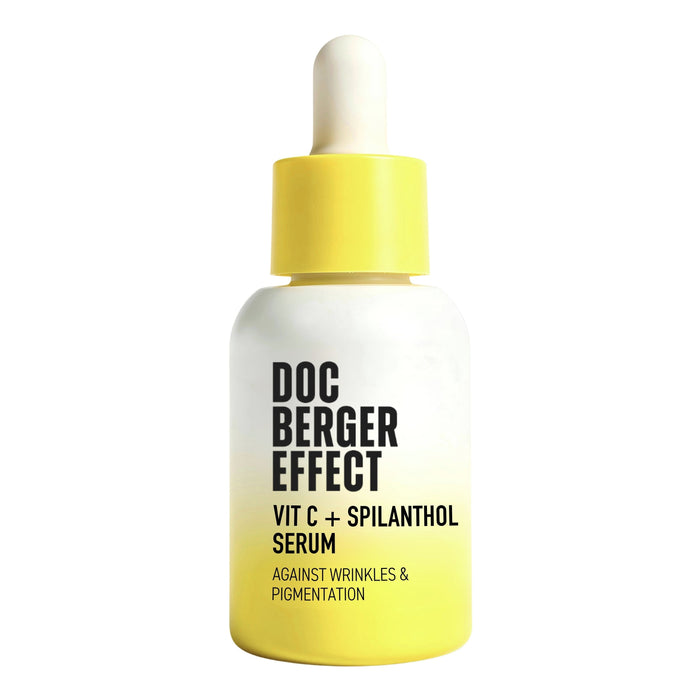

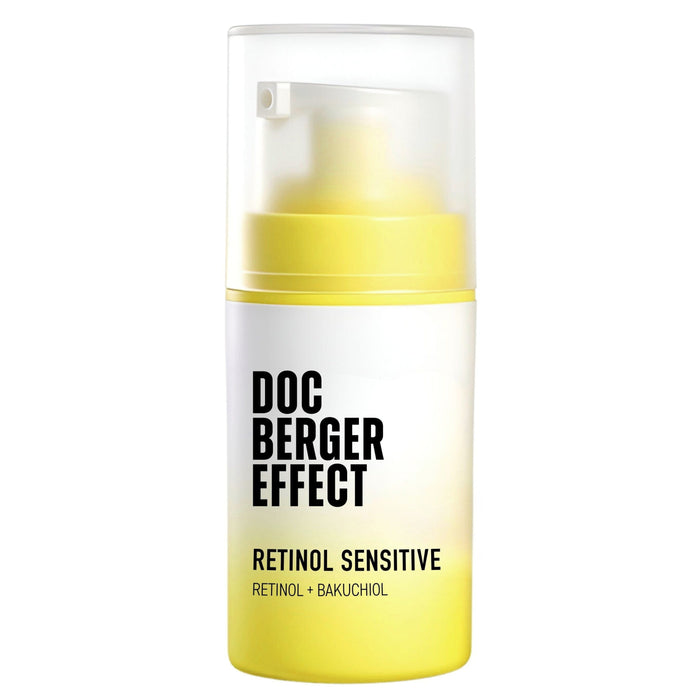

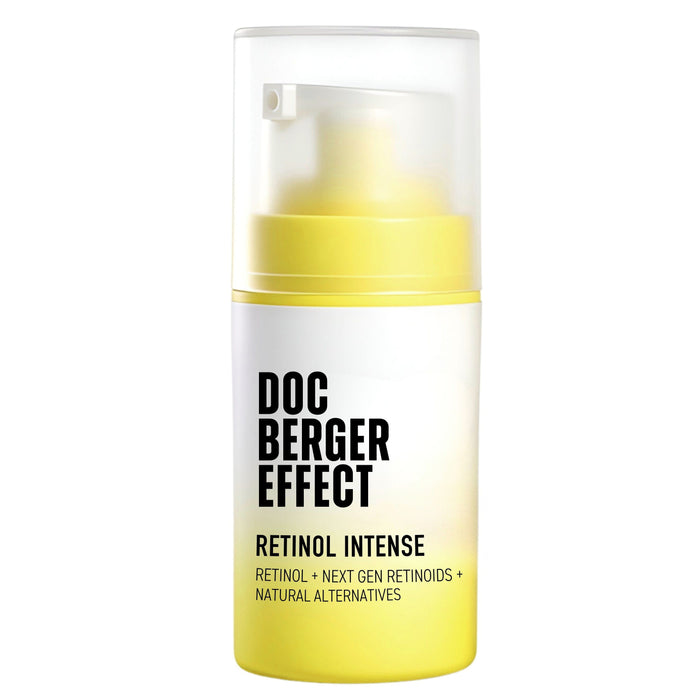

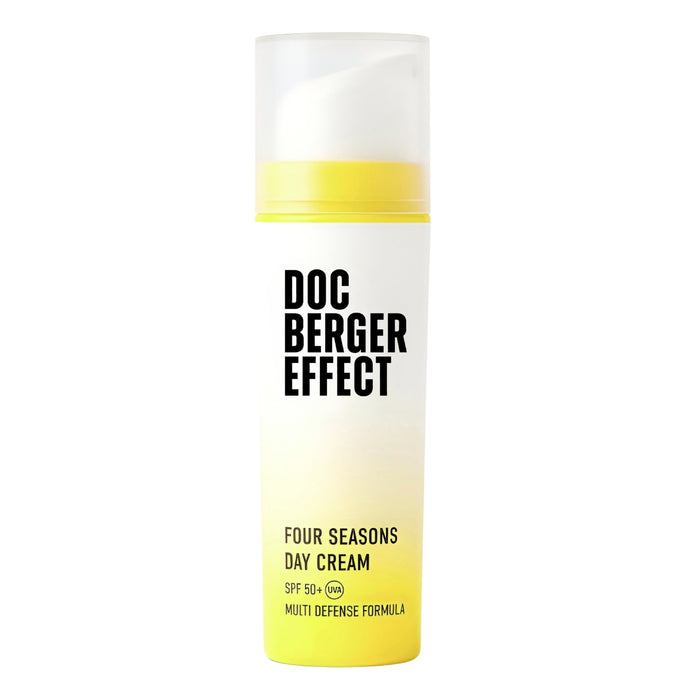



Showing items(s) 1-6 of 6.

Post-blemish marks or acne scars – what is the difference?
Different changes can remain after blemishes.
Post-blemish marks are usually flat red or brown spots where the skin texture remains unchanged. Brown post-blemish marks often result from post-inflammatory hyperpigmentation.
Acne scars, on the other hand, are structural changes to the skin. They can be indented, irregular, or raised, for example.
This distinction is important because post-blemish marks often respond much better to cosmetic active ingredients than deeper acne scars. For discoloration, the Purifying Power Serum with tranexamic acid, 4-butylresorcinol, niacinamide, and Azeloglicina® is particularly suitable.
Deep or pronounced acne scars, on the other hand, often require dermatological or medical-aesthetic procedures.
Treating scars – what can skincare really do?
For fully healed scars, targeted skincare can help improve their appearance.
Balance pigmentation changes:
The Purifying Power Serum is particularly suitable for post-blemish marks and dark discoloration after inflammation.
Support the complexion:
The Vit C + Spilanthol Serum contains 20% vitamin C, including Et-VC®, and supports a more even skin tone.
Promote skin renewal:
Retinoids can contribute to smoother, more even skin texture over time. Depending on your skin condition, Retinol Sensitive or Retinol Intense may be suitable.
Exfoliate regularly:
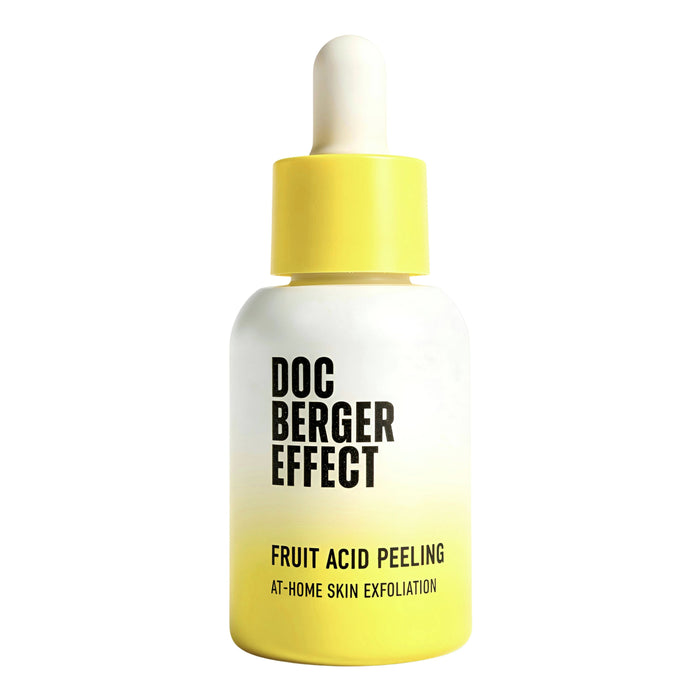
On fully healed skin, the Fruit Acid Peeling can help loosen dead skin cells and make the complexion look more even.
Protect consistently from UV radiation:
Sun protection is particularly important for scars, post-blemish marks, and post-inflammatory discoloration because UV radiation can intensify dark spots and keep them visible for longer. The Four Seasons Day Cream SPF 50+ protects against UVA and UVB radiation every day and should be a fixed part of your morning routine, especially when using retinol and fruit acids.
Please note: Cosmetic care can support the appearance of superficial scars and acne after-effects, but cannot completely remove deep or raised scars.

Effective Active Ingredients for Scars
-

February 23 2024 – Dr. Luise Berger
RETINOL
Retinol works deep within the skin to combat the signs of aging. It helps reduce fine lines and wrinkles, improves skin texture and promotes a more even skin tone. Retinol...
Keep reading -

March 04 2024 – Dr. Luise Berger
VITAMIN C
Vitamin C is an effective antioxidant that neutralizes free radicals and thus protects the skin from oxidative stress. It contributes significantly to collagen synthesis, which makes the skin firmer and...
Keep reading -

April 03 2024 – Dr. Luise Berger
TRANEXAMIC ACID
Tranexamic acid is an advanced skincare ingredient known for its specific action in preventing and reducing pigment spots. Originally used in medicine for blood clotting, tranexamic acid has gained recognition...
Keep reading -

March 26 2024 – Dr. Luise Berger
NIACIN / NIACINAMIDE / VITAMIN B3
Niacinamide works at a cellular level to strengthen and protect the skin. It improves the skin barrier by promoting the production of ceramides, leading to better moisture retention and reduced...
Keep reading -

February 27 2024 – Dr. Luise Berger
GLYCOLIC ACID (AHA)
Glycolic acid, a member of the alpha hydroxy acids (AHAs), is derived from sugar cane and is known for its excellent exfoliating properties. It penetrates deep into the skin to...
Keep reading -

March 04 2024 – Dr. Luise Berger
SALICYLIC ACID (BHA)
Salicylic acid works by accelerating skin renewal and clearing clogged pores of excess sebum. This effect is particularly beneficial in treating acne, blemishes and oily skin. Salicylic acid also has...
Keep reading


FAQs
The most suitable skincare for scars depends on whether pigmentation changes, dryness, or uneven skin texture are the main concern. It is also important that the scar is fully healed.
For dark discoloration and post-blemish marks, active ingredients such as tranexamic acid, vitamin C, and niacinamide are suitable. The Purifying Power Serum and Vit C + Spilanthol Serum can help support a more even skin tone.
For uneven skin texture, retinoids can promote skin renewal. Depending on your skin condition, Retinol Sensitive or Retinol Intense may be suitable. In addition, the Fruit Acid Peeling can be used once or twice a week on fully healed skin.
Consistent sun protection is equally important because UV radiation can intensify pigmentation changes around scars and post-blemish marks and keep them visible for longer. The Four Seasons Day Cream SPF 50+ protects against UVA and UVB radiation every day and is therefore particularly suitable as the final step of your morning skincare routine.
This active-ingredient skincare can be used not only on the face but also selectively on fully healed scars on the body, for example on the back, décolletage, arms, or legs.
Cosmetic care can support the appearance of scars, but cannot completely remove deep, raised, or pronounced scars. Retinol, fruit acids, and other intensive active ingredients should not be used on open or still-healing wounds.
For acne scars or post-blemish scars, the first step is to distinguish whether they are truly structural scars or simply residual discoloration.
For fully healed, superficial acne scars, retinoids and regular chemical exfoliation can help support skin renewal and make skin texture appear more even.
For dark or red marks after blemishes, the Purifying Power Serum is particularly suitable because it combines tranexamic acid, 4-butylresorcinol, niacinamide, and Azeloglicina®, among other ingredients.
In addition, the Fruit Acid Peeling can be used once or twice a week on fully healed skin.
Post-blemish marks and acne scars are not the same.
Post-blemish marks are usually flat red or brown discoloration that remains after inflammation. Brown marks are often referred to as post-inflammatory hyperpigmentation. The skin texture itself is not permanently altered.
Acne scars, by contrast, are structural changes to the skin. They can be indented, irregular, or, more rarely, raised.
Post-blemish marks usually respond much better to cosmetic active ingredients such as tranexamic acid, vitamin C, niacinamide, or retinol. Deep acne scars may require dermatological procedures.
The Purifying Power Serum is therefore particularly suitable when pigmentation marks or post-blemish marks are what remain after blemishes.
Retinol can be useful for fully healed acne scars and post-blemish marks. Retinoids support skin renewal and can contribute to more even skin texture and a more even-looking complexion over time.
Retinol Sensitive is suitable for retinol beginners or more sensitive skin. Those who already tolerate retinoids well can use Retinol Intense.
Retinol can improve the appearance of superficial acne after-effects, but cannot completely remove deep indented acne scars.
Important: Retinol should not be applied to open, freshly injured, or still-healing skin.
Vitamin C is particularly interesting when an old scar or a blemish has left dark pigmentation changes or an uneven skin tone.
The Vit C + Spilanthol Serum contains 20% vitamin C, including the stabilized vitamin C derivative Et-VC®. Vitamin C has an antioxidant effect, supports collagen synthesis, and can contribute to a more even-looking complexion.
For genuine structural scars, however, vitamin C is not a stand-alone “scar treatment.” Its greatest benefit is for post-blemish pigmentation marks, uneven complexion, and antioxidant protection.
Which serum for acne scars or post-blemish marks is suitable depends on which concern is the main one.
For dark or red post-blemish marks, the Purifying Power Serum is suitable. Tranexamic acid, 4-butylresorcinol, and niacinamide are intended to support a more even skin tone, while Azeloglicina® is also used for blemish-prone skin.
In the morning, the Vit C + Spilanthol Serum can be used as a complement, especially if pigmentation irregularities or a dull complexion are also present.
For structural acne scars, retinol may also be useful to support skin renewal over time.
Chemical peels with AHA and BHA can help loosen dead skin cells and make skin texture appear more even on fully healed skin.
The Fruit Acid Peeling combines glycolic acid and salicylic acid and is particularly suitable for uneven skin texture, keratinized buildup, and pigmentation changes after blemishes.
Regular use can be useful for superficial acne after-effects and post-blemish marks. However, deep indented acne scars cannot be completely removed with a cosmetic fruit acid peel.
The peel should not be applied to open, irritated, or still-healing skin.
UV radiation can intensify post-blemish dark spots and discoloration around old scars. In particular, recent scars or scars that are still reddish or pigmented may remain visible for longer when exposed to sunlight.
Therefore, high UV protection should be an integral part of every skincare routine for scars and post-blemish marks.
The Four Seasons Day Cream LSF 50+ provides daily protection against UVA and UVB radiation and is especially important when retinol, vitamin C or fruit acids are also used.
Old scars generally cannot be completely removed through skincare. How much their appearance can improve depends on the type and depth of the scar and on skin texture.
In fully healed scars, cosmetic active ingredients can help improve skin texture, hydration and uneven pigmentation. Retinol, vitamin C, tranexamic acid and chemical peels may be useful, particularly for superficial acne marks or dark post-blemish marks.
Deep atrophic acne scars, hypertrophic scars or keloids often require dermatological or medical-aesthetic procedures. Raised, growing, painful or intensely itchy scars should be assessed by a dermatologist.
A consistent skincare routine for acne scars and post-blemish marks should combine skin renewal, pigment balance and UV protection.
Morning:
- Cleansing foam suited to your skin type
- Facial toner suited to your skin type
- Vit C + Spilanthol Serum
- Lifting Eye Wonder
- Four Seasons Day Cream LSF 50+
Evening:
- Cleansing foam
- Facial toner
- Purifying Power Serum
- Retinol Sensitive or Retinol Intense
- Time Machine
Additionally, 1–2 times per week:
Apply the Fruit Acid Peeling to fully healed, non-irritated skin.
Active ingredients such as retinol and fruit acids should not be applied to open or still-healing wounds. For recent surgical scars, coordinate skincare with your treating physician.
Scars on the body can also benefit from suitable skincare, provided the skin is fully healed and no longer open or irritated.
Depending on their appearance, different active ingredients may be useful. For dark discoloration around old scars, vitamin C, tranexamic acid and niacinamide may be suitable, for example. For uneven skin texture, retinoids and chemical peels can support skin renewal.
The Vit C + Spilanthol Serum, Purifying Power Serum and Retinol Sensitive or Retinol Intense can therefore also be applied directly to fully healed scars on areas such as the back, décolletage, legs or arms.
High UV protection should also be used consistently on areas of the body that are regularly exposed to the sun.
Yes. Active serums and retinol are not suitable exclusively for the face and can generally also be used as a targeted treatment on fully healed scars on the body.
This is particularly useful, for example, for:
- post-blemish marks and acne scars on the back or décolletage
- dark discoloration after inflammation
- old surgical scars
- uneven skin texture on fully healed skin
Apply them just as cautiously as on the face: introduce retinol gradually, do not overuse fruit acids at the same time, and use UV protection consistently on sun-exposed areas of the body.
Retinol, fruit acids and other intensive active ingredients should not be applied to open or still-healing scars. For recent surgical scars, skincare should always be coordinated with your treating physician.

Find the right skincare for your skin in just a few minutes.
OUR COMMITMENT
Was zeichnet die Wirkstoffkosmetik DOC BERGER EFFECT aus?
20 years of experience. In every formula.
Luise Berger personally develops every formulation. She knows from her own experience how the skin’s needs change over the years – and what you then want from skincare. This understanding goes into every formula: with a focus on skin from age 40 and around menopause, and the aim of preserving skin quality over the long term and improving it through targeted care.
Clean. Without compromise. Made in Germany*.
Simply avoiding a few controversial ingredients is not enough for us. Every one of our formulas is free from unnecessary or controversial ingredients.DOC BERGER EFFECT is always free from: alcohols, silicone oils, paraffins, PEGs/PPGs, parabens, microplastics, nanoparticles, colorants, potentially allergenic fragrances and UV filters of concern. This makes development considerably more complex – but for you, we keep refining our formulas until they work without them. After all, the skin is our largest organ, and what we apply to it every day matters. Developed and manufactured in Germany*.
A wealth of active ingredients at the highest concentrations
More than a single hero ingredient: over 100 active ingredients from nature and biotechnology research, precisely balanced to work together. At the highest concentrations and designed as a skincare system, with more active ingredients per milliliter and products that complement each other.
