Customers also searched for:
Our bestsellers


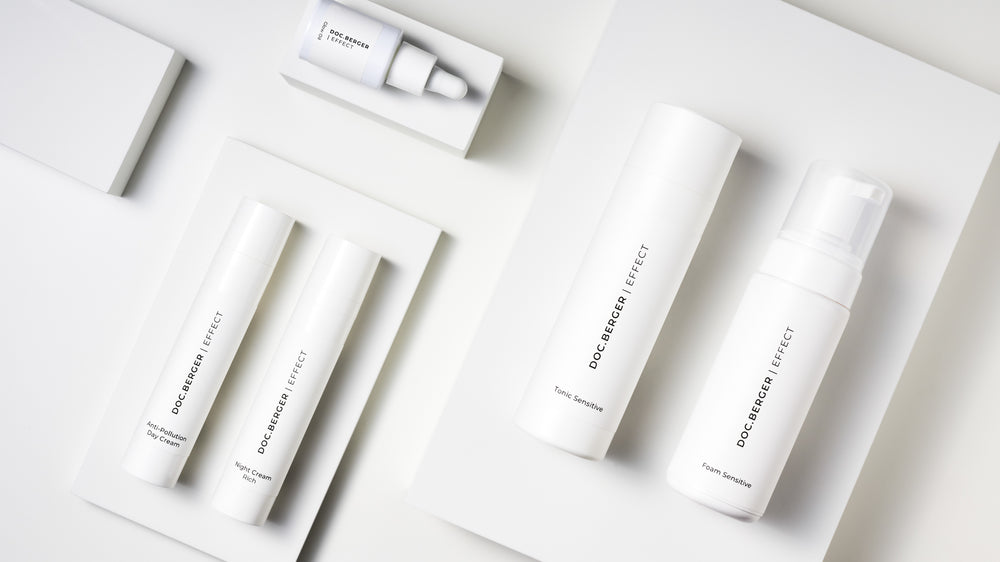
Facial Skincare: How to Find the Right Routine for Your Skin Type
Achieving a balanced, healthy complexion is about more than just using a good cream – the key is choosing skincare that’s tailored to your unique skin type. Every skin is different, with its own strengths and sensitivities. What works for one person may cause irritation in another. But what does the ideal facial skincare routine look like? How do oily and sensitive skin types differ? In this guide, we break down the various skin types and help you find the perfect routine for your needs.









Why Skincare Matters
Your skin is more than just a surface – it’s your body’s largest organ. It shields you from environmental damage, regulates temperature, stores moisture, and acts as your immune system’s first line of defense. Healthy, well-cared-for skin isn’t only about appearance – it’s a vital part of your overall wellbeing.
- Protection from environmental stressors: Every day, your skin is exposed to UV rays, pollution, and blue light. High-quality skincare helps shield it from oxidative stress and protects cells from damage. Products like our Anti-Pollution Day Cream with SPF and blue light filter help defend against premature aging caused by external aggressors.
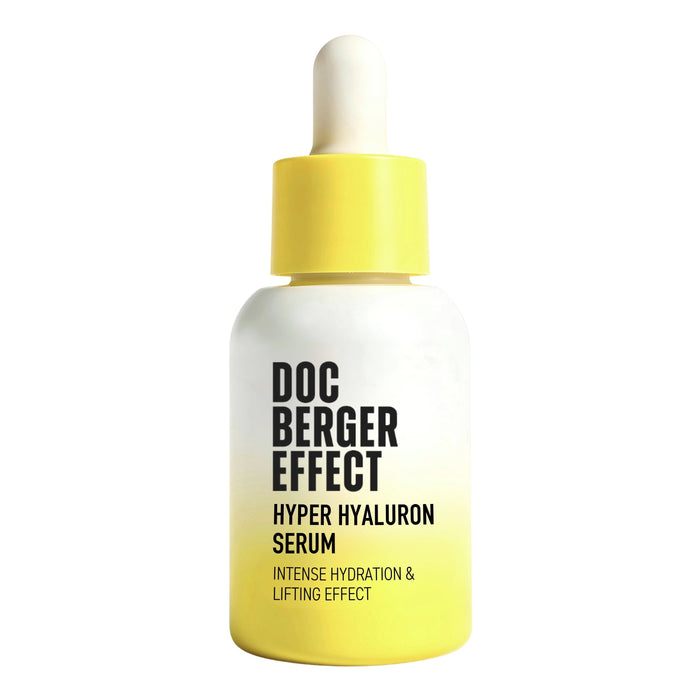
- Hydration & skin barrier support: A strong skin barrier is essential for maintaining hydration. As we age, this barrier becomes thinner and less effective. Skincare enriched with ingredients like hyaluronic acid, squalane, or ceramides reinforces the barrier, prevents moisture loss, and helps protect against dryness and irritation.
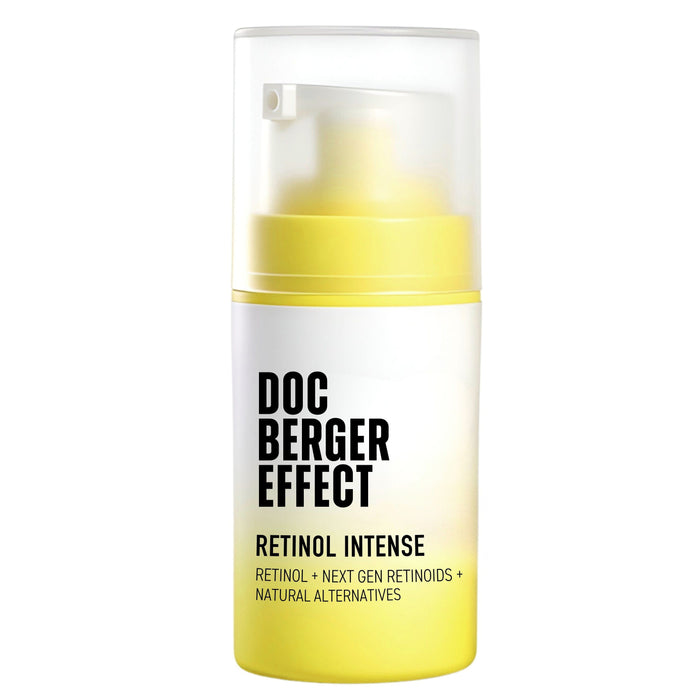
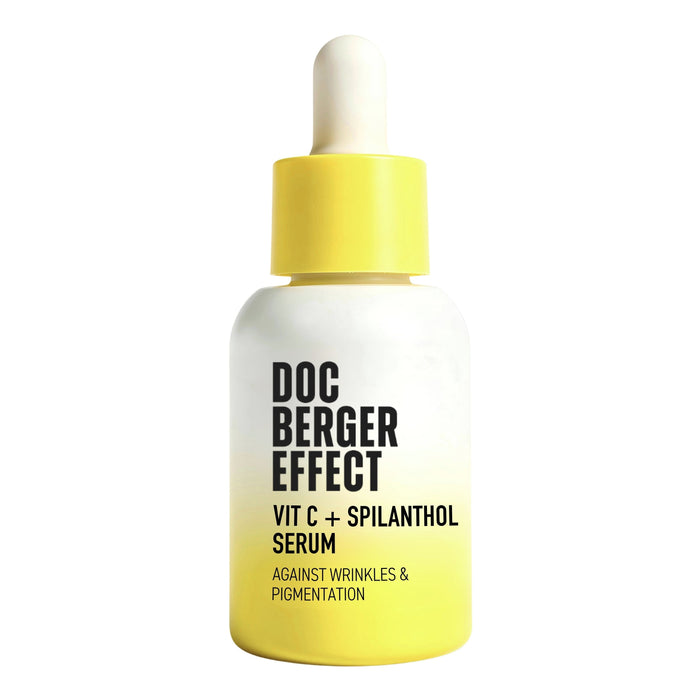
- Long-term skin health: A consistent routine tailored to your skin’s needs does more than smooth wrinkles – it actively supports your skin’s longevity. Antioxidants such as vitamins C and E, retinol, and peptides encourage regeneration, reinforce the skin’s structure, and help maintain a youthful, radiant appearance for years to come.
- Emotional wellbeing: Studies show: when you feel good in your skin, it shows. Healthy skin enhances self-esteem and positively influences your inner balance and social interactions. Skincare is not just care – it’s self-care.

"Your skin tells your story. Let it be one of love."
- Dr. Luise Berger
What Is a Skin Type and Why Does It Matter?
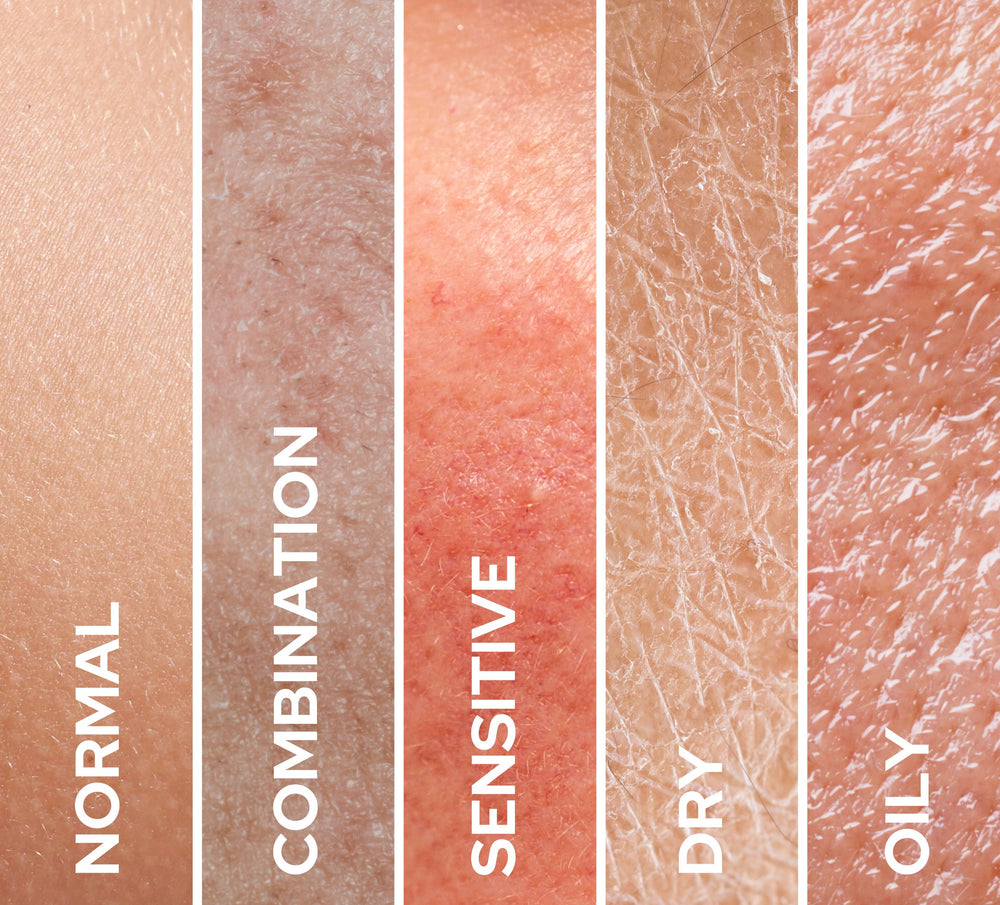
Your skin type refers to its natural characteristics – including oil production, hydration levels, sensitivity, and pore structure. While primarily determined by genetics, your skin type can change due to external factors like climate, stress, hormones, or age. The most common types include normal, dry, sensitive, oily, combination, and mature skin. Before investing in active ingredients or anti-aging products, it's essential to understand your current skin type.
For example, dry skin produces less oil, making it prone to tightness, flaking, or irritation. Oily skin overproduces sebum, often resulting in shine and enlarged pores. Combination skin, as the name suggests, is oily in the T-zone but dry on the cheeks.
Skin thickness and permeability can also vary. Sensitive skin often reacts quickly to external stimuli or specific ingredients and needs particularly soothing care.
As we age, our skin type often shifts again – oil and moisture production decrease, the skin becomes thinner, and elasticity diminishes. That’s why it’s important to reassess your skin regularly and adjust your skincare routine to fit the season and your skin’s current phase.
Finding the Right Skincare for Your Skin Type
Only by knowing your skin type can you choose the best skincare products for your face. A tailored routine helps prevent missteps – for instance, a rich night cream is ideal for dry skin, while oily skin benefits from lightweight, non-comedogenic formulas. At DOC BERGER EFFECT, we offer targeted cleansers and serums designed specifically for different skin needs.
The Risks of Using the Wrong Skincare
Using products that aren’t suited to your skin type can lead to irritation, blemishes, or a dull complexion.
A regular skin check can help you identify your current skin condition. Our complimentary skin analysis at DOC BERGER EFFECT offers an easy way to determine your skin type and find the products best suited to your individual needs.
Skin Types at a Glance – and the Skincare Products That Support Them
In the following sections, we take a closer look at the different skin types, explain how to care for them, highlight proven active ingredients, and show you how to promote your skin’s long-term balance and vitality.
1. Skincare for Normal Skin
If your skin feels balanced, with refined pores and only occasional blemishes, you likely have what’s known as normal skin. This skin type produces just the right amount of sebum and maintains a healthy moisture balance. However, even normal skin requires consistent care – particularly as a preventive measure.
What it needs: A gentle, non-drying cleanser, hydrating products with hyaluronic acid or vitamin C, and daily sun protection to prevent premature aging caused by UV exposure.
Recommended ingredients for normal skin:
Normal skin benefits from a well-balanced combination of actives. Hyaluronic acid and collagen deeply hydrate without feeling heavy. Vitamins C and E offer antioxidant protection and promote an even complexion. Peptides such as Argireline® and SYNAKE help prevent fine lines and support skin regeneration.
2. Skincare for Dry Skin: Deep Hydration Needed
Dry skin is often genetic but can also be intensified by environmental factors such as heating, cold weather, or harsh skincare routines. Signs of dry skin include tightness after cleansing, flaking, or fine lines caused by dehydration.
What it needs: Use a gentle cleanser and avoid hot water and alcohol-based toners. Moisturize at least twice daily, especially after showering or being outdoors. A high-potency hyaluronic acid serum or a premium collagen serum is essential.
Recommended ingredients for dry skin:
Dry skin benefits from rich hydration and barrier-strengthening ingredients. Hyaluronic acid locks in moisture deep within the skin, while glycoin and ceramides support regeneration and resilience. Shea butter and argan oil provide lasting nourishment without clogging pores. Vitamin E protects against oxidative stress, and desamido collagen helps improve elasticity and smoothness.
3. Skincare for Combination Skin: Achieving Balance
Combination skin is characterized by uneven oil distribution: the T-zone (forehead, nose, chin) tends to be oilier, with enlarged pores and shine, while the cheeks may feel dry or flaky.
What it needs: Combination skin calls for a targeted approach – controlling oil in the T-zone while deeply hydrating drier areas. Lightweight, oil-free products are ideal for the center of the face, while richer creams should be used on the cheeks.
Recommended ingredients for combination skin:
This skin type benefits from balancing ingredients: Niacinamide strengthens the skin barrier, salicylic acid unclogs pores and helps prevent breakouts, and glycolic acid encourages cell turnover and smooths skin texture. Retinol can reduce fine lines and regulate blemish-prone areas.




4. Skincare for Oily Skin
Oily skin produces excess sebum, which leads to a shiny complexion, enlarged pores, and often blemishes. Triggers can include hormonal fluctuations, stress, or inappropriate skincare products.
What it needs: Consistent double cleansing morning and night is essential. Opt for lightweight, non-comedogenic formulas. Our Anti-Pollution Day Cream and Time Machine Night Cream are popular choices for oily skin.
Recommended ingredients for oily skin:
Clarifying, sebum-regulating, and anti-inflammatory ingredients work best. Niacinamide helps normalize sebum production and calms irritation. Salicylic acid cleanses deep into the pores to prevent breakouts. AHA/BHA fruit acid peels refine the skin and promote healthy regeneration.
5. Skincare for Sensitive Skin
Sensitive skin tends to react quickly – with redness, burning, tightness, or dryness. It is often thinner and more permeable, making it less resilient against external stressors such as cold, UV rays, or certain ingredients.
What it needs: Clean beauty is key – choose products free from fragrances, alcohol, parabens, microplastics, and other irritating additives. Sensitive skin responds well to creams with skin-identical lipids that strengthen the natural barrier. The goal is to restore balance – gently yet effectively.
Recommended ingredients for sensitive skin:
Phosphatidylcholine supports cell membrane integrity and improves barrier function. Panthenol, Centella Asiatica (Tiger Grass), and aloe vera have strong calming and anti-inflammatory effects. Ceramides enhance moisture retention and reinforce the skin’s resistance to environmental triggers.
6. Skincare for Blemish-Prone Skin
Blemished skin is not a skin type in itself but a condition that can occur with any of the five skin types – often during periods of stress, hormonal changes, or incorrect skincare. Typical signs include blackheads, congestion, inflamed breakouts, and uneven texture.
What it needs: Thorough cleansing morning and night. Chemical exfoliants are recommended to help clear clogged pores and remove dead skin cells. Avoid aggressive scrubs and do not squeeze blemishes – this can worsen inflammation and lead to scarring.
Recommended ingredients for blemish-prone skin:
Salicylic acid (BHA) is a pore-cleansing, anti-inflammatory powerhouse. Glycolic acid (AHA) boosts cell renewal and improves texture. Green tea and Azeloglicina® (a gentle form of azelaic acid) soothe redness and offer antibacterial properties.
Skincare After 50: Addressing the Needs of Mature Skin
As we age, our skin’s needs change significantly: cell regeneration slows, collagen production decreases, and external factors like UV exposure, pollutants, and facial expressions leave visible marks. Up to 80% of wrinkles and pigmentation are due to sun exposure – making daily SPF non-negotiable, even on cloudy days. Expression lines commonly appear around the eyes and forehead, while pollution leads to oxidative stress and weakens the skin barrier. Mature skin needs care that not only nourishes but also actively regenerates and protects.
What it needs: A holistic routine – including thorough cleansing, high-potency serums, eye care, and both day and night creams. It’s not enough to rely on isolated steps; after 50, skin needs comprehensive support. The goal is to minimize damage and preserve the skin’s current state as long as possible. Our Glowing Eye Patches with firming and de-puffing effects are an ideal addition.
Recommended ingredients for mature skin:
Biobotox (Spilanthol) relaxes facial muscles and visibly reduces expression lines – without injections. Growth factors and argan stem cells stimulate cell renewal and help the skin rebuild collagen, elastin, and hyaluronic acid. Juvinity®, an award-winning telomerase activator, slows cellular skin aging and promotes skin longevity. Other excellent ingredients for mature skin include ferulic acid, retinol, and SYN®Ake.

The Right Skincare Routine: Cleanse, Treat, Protect
Regardless of your skin type, effective skincare always follows the same core structure: Cleanse → Tone → Serum → Eye Care → Day/Night Cream. A well-formulated skincare routine consists of several coordinated steps – each one building the foundation for the next. Only when these steps work together can your skin truly benefit from their full potential.
1. Double Cleansing – The First Step to Visible Results
Cleanse your face thoroughly in the morning and evening with a gentle cleansing foam to remove sweat, sebum, and makeup without drying out the skin. Follow with a facial toner to remove any remaining residue, calm the skin, and restore the natural pH balance. Only clean skin can absorb active ingredients effectively.
2. Serums – Concentrated Active Ingredients
After cleansing, your skin is particularly receptive. This is the perfect time to apply serums with powerful ingredients like vitamin C, retinol, hyaluronic acid, or peptides. These lightweight textures penetrate deep into the skin and target specific concerns such as fine lines, pigmentation, or dryness.
Pro Tip: When layering multiple serums, you can combine and intensify their effects. Always apply them in the correct order – from lightest to richest texture. Start with water-based formulas, followed by gel-like or more viscous serums.
3. Creams – Seal, Protect, Nourish
Finish with your facial cream: it seals in the active ingredients and protects your skin from external stressors. In the morning, use a day cream with sun protection like our Anti-Pollution Day Cream, which also includes a blue light filter. In the evening, opt for a richer night cream to support overnight regeneration.
Each step supports the next: cleansing prepares your skin, serums address specific concerns, and creams provide essential protection. If you tailor your routine to your skin type and condition, you're investing in the best facial care for a healthy, smooth, and radiant complexion.


Common Skincare Mistakes – And How to Avoid Them
Even with the best intentions, skincare can be ineffective – or even damaging – if key principles are ignored. Here’s what to avoid in your facial skincare routine:
- Cleansing too often or not enough – Both disrupt your skin’s balance. Stick to gentle cleansing with foam and toner, morning and night.
- Mixing up the order – Serums after cream? That’s a no. The correct order: Double Cleansing → Serums → Eye Care → Day/Night Cream.
- Stopping products too soon – A slight tingling or tightness at first often means the product is working – like muscle soreness after a workout.
- Skipping sun protection – UV radiation is the #1 cause of skin aging, even on cloudy days.
- Neglecting neck and décolleté – The skin here is thinner and ages faster. Care for it just like your face.
- Relying on single products – Skincare is like a puzzle – every product has its place and works best in synergy.
- Switching products too often – Skin renews every ~28 days – and slower with age. Stay consistent and give actives time to work.
- Ignoring your skin’s signals – Skin needs change with seasons, hormones, and stress. Stay flexible and adjust your routine regularly.
Read more in our article:
-

October 31 2023 – Dr. Luise Berger
Skincare Throughout the Seasons: Your Guide to Radiant Skin All Year Round
Our skin is a living organ that constantly reacts to the environment. Just as nature changes with the seasons, our skin's needs change as well. From the dry cold of...
Keep reading

Conclusion: Great Skincare Starts with Your Skin Type
Your skin is unique – and your skincare should be too. With a personalized routine and active ingredients tailored to your needs, you can target dryness, blemishes, or early signs of aging effectively. At DOC BERGER EFFECT, we support you with expert knowledge and high-performance skincare on your journey to healthy, radiant skin.
FREQUENTLY ASKED QUESTIONS ABOUT FACIAL SKINCARE
Observe your skin immediately after cleansing, without applying any products. If your T-zone appears shiny but your cheeks feel dry, you likely have combination skin. If your skin feels tight or flaky, it’s probably dry. Oily skin shows persistent shine and enlarged pores. Unsure? Try the free online skin analysis by DOC BERGER EFFECT for a precise result.
While self-assessment and online tools offer guidance, a professional consultation provides a deeper understanding. Dr. Luise Berger, specialist in Plastic and Aesthetic Surgery in Munich, offers an in-depth, holistic skin analysis with personal consultation.
This includes professional evaluation of skin structure, pores, moisture and lipid levels, and potential concerns – forming the basis for a targeted care plan. Depending on your skin condition and goals, Dr. Berger may also discuss minimally invasive medical-aesthetic options such as Botox for expression lines, hyaluronic fillers for volume, or biostimulators to enhance skin quality over time – always with a natural result in mind.
Learn more about holistic skin analysis with Dr. Berger in Munich.
The best skincare is the one tailored to your skin type and current needs. A good routine always includes cleansing, serum, cream, and sun protection. In our view, the best facial care uses high-potency, scientifically backed ingredients in clean formulations – free from alcohol, parabens, synthetic fragrance, silicones, or microplastics.
You should begin a skincare routine in your teenage years, especially if you experience issues like oiliness, dryness, or blemishes. From age 25 onward, it’s beneficial to incorporate anti-aging actives like Biobotox, antioxidants, or retinol to proactively support your skin. The earlier you start, the longer your skin stays balanced, healthy, and radiant.
Use hydrating ingredients such as hyaluronic acid, ceramides, or urea. A gentle, replenishing cleanser and rich moisturizers that strengthen the skin barrier are essential. During winter, your skin needs extra support – the Hyaluron Lifting Serum and Collagen Night Cream are excellent choices.
Treat each zone individually: the T-zone (forehead, nose, chin) benefits from clarifying actives like niacinamide or salicylic acid, while the drier cheeks need hydration – through hyaluronic acid or collagen. Use lightweight, non-greasy textures and adjust your care to each area’s needs.
Mature skin requires support on multiple levels: moisture, antioxidant protection, and cell renewal. Proven ingredients include retinol, vitamin C, and peptides.
Twice daily – morning and evening. Mornings are about protection from UV rays, pollutants, and dehydration. Evenings focus on regeneration and nourishing the skin with actives. Only consistent care leads to visible, long-term results – whether your skin is dry, oily, sensitive, or mature.
Both are essential, as they serve different purposes. Day creams protect against UV rays, pollution, and moisture loss. An ideal day cream includes SPF 30+ and antioxidants like vitamin C or ferulic acid. Night creams focus on regeneration with richer ingredients like retinol, peptides, or growth factors. For a radiant, healthy complexion, both should be integral parts of your routine – carefully chosen to match your skin type.
