







Dryness wrinkles
Customers frequently searched for:
Search...


Reduce Wrinkles
How Do Wrinkles Form?
Wrinkles are a natural part of the skin's aging process and can begin to appear as early as one's mid-20s. They are caused by a combination of internal and external factors:
Natural Aging: As we age, the skin loses elasticity and moisture. The production of collagen and elastin—two proteins responsible for the skin’s firmness and elasticity—decreases. As a result, the skin becomes thinner and less resistant to external factors. Starting in one’s mid-20s, the first fine lines begin to form, often around the eyes (crow’s feet) and the mouth (smile lines). Between the ages of 30 and 40, these lines become deeper and more visible, and the first static wrinkles—which are present even when the face is at rest—may appear.
UV Radiation: One of the main causes of premature skin aging is the sun’s UV radiation. UV rays penetrate deep into the skin and damage collagen fibers. This leads to accelerated wrinkle formation, known as photoaging.
Facial Expressions: Frequent movements of the facial muscles, such as smiling, frowning, or squinting, can lead to fine lines and wrinkles. Over time, these wrinkles become deeper and more visible.
Lifestyle factors: Smoking, an unbalanced diet, excessive alcohol consumption, and stress can accelerate skin aging. Smoking, for example, reduces blood flow to the skin and results in a reduced supply of oxygen and nutrients to skin cells.
Genetic predisposition: Genes also play a role in skin aging. If your parents developed wrinkles early, you’re more likely to develop wrinkles earlier as well.

Reducing Wrinkles—How Does It Work?
There are various approaches to delaying the appearance of wrinkles and reducing the appearance of existing wrinkles:
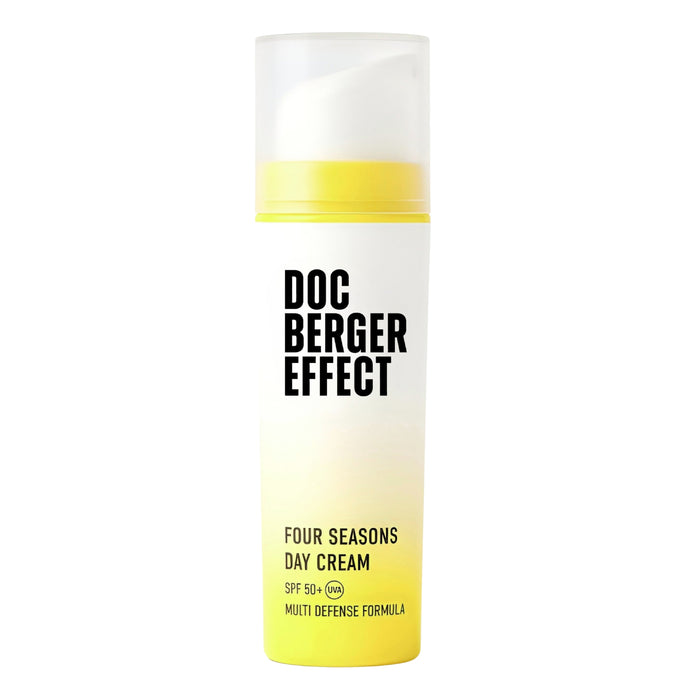
Sun Protection: Regularly applying sunscreen with a high sun protection factor (SPF) protects your skin from harmful UV rays and prevents photoaging.
Skin Care: Using moisturizing and nourishing skin care products can hydrate the skin and improve its elasticity. Ingredients such as the following are particularly effective in fighting wrinkles:
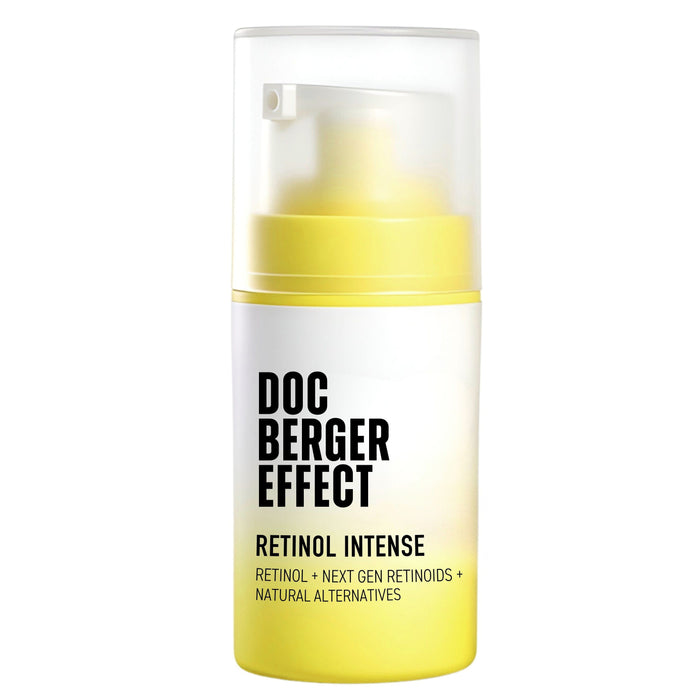
- Retinoids: Stimulate collagen production and promote cell renewal.
- Peptides (e.g., Matrixyl 3000, ECM peptide): Support the skin’s structure and promote collagen production.
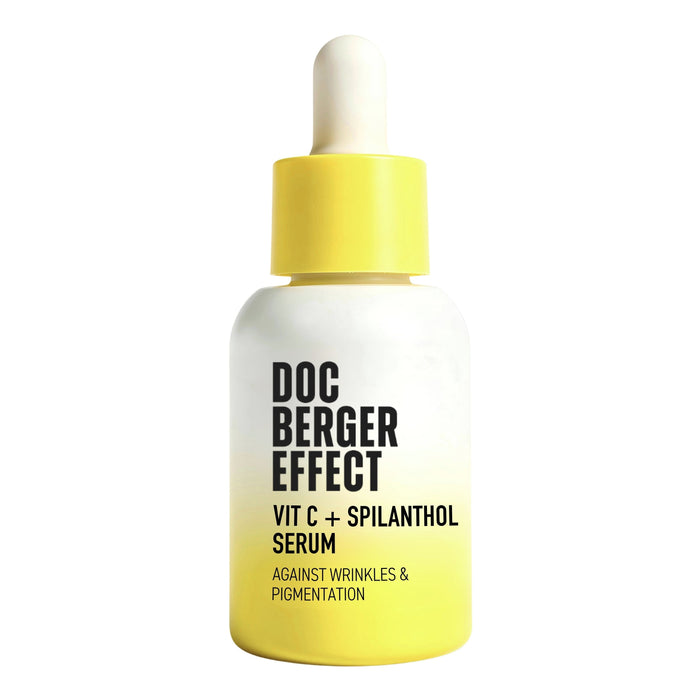
- Vitamin C: A powerful antioxidant that brightens the skin and promotes collagen production.
- Hyaluronic Acid: Provides intense hydration and plumps the skin from within.
- Collagen: Supports skin structure and firmness.
- Growth Factors: Promote skin cell regeneration.
- Telomerase activators (e.g., Juvinity™, purslane): Protect cellular DNA and extend the lifespan of skin cells.
- Niacinamide (Vitamin B3): Improves skin elasticity and reduces dark spots.
- Tocopherol (Vitamin E): An antioxidant that protects the skin from free radicals.
Healthy Lifestyle: A balanced diet, adequate sleep, and avoiding smoking and excessive alcohol consumption promote healthy skin and slow down the aging process.
Regular facial massages: Massages promote blood circulation and can help relax the facial muscles, which may reduce the formation of expression lines.
By combining these measures, you can slow the appearance of wrinkles and keep your skin looking youthful and radiant for longer.
Our Effective Products for Reducing Wrinkles
What are the different types of wrinkles?
Wrinkles can be divided into different categories depending on their underlying causes. Dry skin, repeated facial expressions, and the natural aging process all contribute to the formation of wrinkles in different ways. To improve the skin’s appearance, it is important to identify the specific cause and treat it accordingly.
Effective Ingredients for Reducing Wrinkles
-

-

March 18 2024 – Dr. Luise Berger
MATRIXYL™ 3000
Matrixyl™ 3000 is an advanced active ingredient in skincare that was specifically developed to support the skin's natural repair processes. It targets the papillary layer of the skin, which is delicate and susceptible to UV damage...
Read more -

March 28 2024 – Dr. Luise Berger
ECM™ MODULINE PEPTIDE
ECM™ Moduline Peptide is a state-of-the-art active ingredient in skincare that plays a key role in the regeneration and repair of the extracellular matrix (ECM). This active ingredient is specifically designed to...
Read more -

-

-

February 09 2024 – Dr. Luise Berger
HYALURONIC ACID
The main function of hyaluronic acid in skincare is hydration. It helps the skin retain moisture, which leads to a reduction in fine lines and wrinkles and...
Read more -

March 13 2024 – Dr. Luise Berger
PENNYWORT EXTRACT
Purslane extract works on the skin's surface and in deeper layers to soothe and nourish the skin. Its anti-inflammatory properties help reduce skin irritation and redness. The antioxidant components...
Read more -

March 26 2024 – Dr. Luise Berger
NIACIN / NIACINAMIDE / VITAMIN B3
Niacinamide works at the cellular level to strengthen and protect the skin. It improves the skin barrier by promoting the production of ceramides, which leads to better moisture retention and...
Read more -

February 27 2024 – Dr. Luise Berger
TOCOPHEROL
Tocopherol, better known as vitamin E, is a naturally occurring antioxidant found in many vegetable oils, nuts, and green leafy vegetables. It is known for its skin-nourishing properties and...
Read more


