Diet and Skin: Which Foods Are Good for Your Skin?

April 04 2025 – Dr. Luise Berger

Do you use high-quality skincare products with active ingredients but still can’t get rid of blemishes on your skin? Radiant, healthy skin doesn’t start with your skincare routine—it starts with what you eat. Your diet has a direct impact on the appearance of your skin. But which foods promote beautiful, clear skin—and why?

In this article, you'll learn what "skin food" is, which nutrients and foods are truly good for your skin, and how you can make your skin glow even more with targeted skincare.

Why does diet affect skin health?

You are what you eat: Scientific studies show that certain nutrients can strengthen the skin barrier, boost cell renewal, and better protect our skin from harmful environmental factors. This is exactly where the term “Skin Food comes in: Skin Food refers to foods that, thanks to their ingredients, specifically help improve skin health.

Conversely, a deficiency in key nutrients can lead to skin problems. Typical symptoms include dry skin, irritation, inflammation, or premature aging of the skin. Our skin, as the body’s largest organ, is extremely sensitive to our diet. This makes it all the more important to nourish it from the inside with high-quality nutrients.

Miracle Cures for Beautiful Skin—Which Superfoods Really Work?

The term “superfood” sits right alongside “skin food” and sounds promising at first. It refers to foods that are particularly rich in valuable nutrients and are therefore said to promote our health and well-being. But what’s really behind this trend?

From a scientific perspective, it’s clear: A balanced diet generally has a positive effect on your skin’s health. Still, you should view the term with a critical eye, because no single food can work miracles on its own. Certain superfoods do have positive effects on the skin, including blueberries, which are rich in antioxidants, and avocados, which provide your skin with valuable fatty acids that strengthen the skin barrier.

So while superfoods aren’t miracle cures, when used strategically, they can effectively support your skin’s health. Let’s now take a look at which specific nutrients, foods, and vitamins support your skin and strengthen its resilience.

These nutrients are important for beautiful skin

Your skin is truly versatile—and to perform its functions as well as possible, it needs certain nutrients more than anything else:

Antioxidants – the Superheroes of Skincare

Antioxidants play an important role in protecting the skin. They combat free radicals caused by environmental factors such as UVA and UVB radiation and air pollution, which accelerate skin aging. Foods rich in antioxidants, such as blueberries, dark chocolate, and green tea, promote healthy skin and help prevent premature aging.

Vitamins A, C, and E—Essential Nutrients for Healthy Skin

At the top of the list are vitamins A, C, and E: Vitamin A—better known as retinol —ensures that your skin cells renew themselves regularly, fights blemishes, and can even smooth out fine lines. Good sources of vitamin A or provitamin A (beta-carotene) include sweet potatoes, carrots, and green leafy vegetables such as spinach and kale.

Vitamin C plays a key role in collagen synthesis and thus helps maintain the skin’s elasticity and firmness. It also helps lighten pigment spots and supports the repair of UV-induced skin damage. Bell peppers, citrus fruits, broccoli, and kiwi are particularly rich in vitamin C.

Vitamin E protects cell membranes from oxidative stress and plays a key role in helping the skin retain moisture. Avocados, almonds, sunflower seeds, and vegetable oils—especially olive oil—are excellent sources of vitamin E.

Omega-3 Fatty Acids

Omega-3 fatty acids have anti-inflammatory effects and strengthen the skin’s natural lipid barrier. These fatty acids help with chronic inflammatory skin conditions such as atopic dermatitis or psoriasis and noticeably improve the skin’s moisture content. They are found in abundance primarily in fatty fish such as salmon, mackerel, and herring, as well as in plant-based sources such as chia seeds, flaxseeds, and walnuts.

Your skin can also benefit from omega-3 fatty acids through targeted skincare—learn all about the active ingredient purslane extract. In addition, modern active ingredient complexes like P3, which are found in high-quality skincare products, specifically revitalize the skin’s extracellular matrix—for improved elasticity, hydration, and a visibly fresher complexion.

Minerals

Last but not least, don't forget important minerals like zinc and selenium:

Zinc supports wound healing, has anti-inflammatory properties, and regulates sebum production, thereby helping to prevent acne and skin blemishes. Pumpkin seeds, walnuts, and whole-grain products are excellent sources of zinc.

Selenium strengthens the skin's resistance to environmental factors and protects cells from oxidative damage. Brazil nuts, fish, and eggs are rich in selenium and should be included in your diet on a regular basis.

Copper

Copper is important for collagen and elastin production and helps maintain our skin’s firmness and elasticity. It supports pigment formation, which is why a copper deficiency can lead to uneven skin tone. Foods such as nuts, cocoa, whole grains, and legumes provide copper in its natural form.

B-complex vitamins

B vitamins also contribute to healthy skin. They ensure optimal cell division, strengthen the skin barrier, and help fight inflammation. Vitamin B3 (niacin), B7 (biotin), and B12 are particularly important. Good sources of the B-complex vitamins include eggs, nuts, whole-grain products, fish, and legumes.

Alginate – the moisture booster from the sea

Another exciting skincare highlight is algin, derived from brown algae. It can bind large amounts of water, soothes stressed skin, and restores its freshness. Especially for dry or irritated skin, alginates in masks or serums are true moisturizing wonders—a natural active ingredient with immediate results.

Top 12 Foods for Beautiful Skin from the Inside Out

There are many foods that have an anti-aging effect on our skin and should always be an important part of our diet. They also provide the nutrients mentioned above. Here are 12 important foods and their benefits:

  1. Avocado: Rich in monounsaturated fatty acids and vitamin E, avocado promotes skin elasticity, protects against oxidative stress, and helps the skin retain moisture.
  2. Blueberries and other berries: These small fruits are packed with antioxidants. They neutralize free radicals, promote cell regeneration, and help slow down skin aging.
  3. Walnuts and flaxseeds: They contain high levels of omega-3 fatty acids, which help reduce inflammation and strengthen the skin’s lipid barrier. They also contain zinc, which regulates sebum production and thus helps prevent breakouts.
  4. Tomatoes: Thanks to the lycopene they contain, tomatoes offer natural protection against UV rays. Regular consumption can help reduce sun-induced skin aging.
  5. Green tea: Contains polyphenols and catechins, which have anti-inflammatory effects, protect the skin from damage caused by UV radiation, and improve moisture retention.
  6. Broccoli and green leafy vegetables: Rich in vitamin C, beta-carotene, and minerals such as zinc and iron, these vegetables support collagen production, protect skin cells, and improve the complexion.
  7. Sweet potatoes: One of the best natural sources of vitamin A. Beta-carotene is converted in the body into retinol, which is important for healthy skin renewal and also keeps the skin supple.
  8. Fish (salmon, mackerel): Contains valuable omega-3 fatty acids that have anti-inflammatory effects, soothe the skin, and strengthen its natural protective barrier.
  9. Pumpkin seeds: An excellent source of zinc that accelerates wound healing, strengthens the skin's structure, and promotes skin renewal.
  10. Oats and oatmeal: Oats are rich in beta-glucans, which have anti-inflammatory properties and strengthen the skin barrier. Oats also contain zinc, biotin, and silicon, which promote not only beautiful skin but also healthy hair.
  11. Citrus fruits: They provide a high dose of vitamin C, which not only strengthens the immune system but is also essential for collagen production—for firm, supple skin.
  12. Unsweetened teas: Green tea and rooibos tea, in particular, contain antioxidants that protect the skin from oxidative stress and have anti-inflammatory properties.

Our tip: Water is the best liquid you can give your skin. You should drink at least 2–3 liters a day. Infused water with cucumber slices, ginger, or basil adds extra flavor and tastes wonderfully refreshing.

Anti-Inflammatory Foods – For Combating Blemished Skin and Acne

Inflammation is a completely natural immune response by your body that serves to protect against infections. However, it becomes a problem when it becomes chronic— for example, due to an unhealthy diet or hormonal imbalances.

A diet rich in fresh, unprocessed foods provides the best foundation for healthy skin. In particular, foods with a high glycemic index, sugary products, and highly processed foods should be avoided, as they can promote inflammatory reactions and stimulate sebum production.

Beautiful Skin Overnight—These Foods Can Help You

Did you know that your skin regenerates particularly intensively overnight? An easily digestible, nutrient-rich evening meal can perfectly support this process and ensure a fresh, balanced complexion in the morning.

We've put together five delicious and healthy ideas for a skin-friendly dinner:

  1. Avocado-Quinoa Bowl with Walnuts and Spinach – rich in omega-3 fatty acids, antioxidants, and magnesium, it soothes the skin and reduces oxidative stress.
  2. Steamed salmon with roasted vegetables and turmeric dressing —provides essential fatty acids and anti-inflammatory compounds that promote skin healing overnight.
  3. Lentil Dal with Coconut Milk and Ginger – contains plant-based proteins, zinc, and anti-inflammatory spices to help balance sebum production.
  4. Green salad with pumpkin seeds and a lemon-olive oil dressing —rich in zinc and vitamin C, it supports collagen production and wound healing.
  5. Oatmeal with chia seeds and blueberries —provides the body with fiber, biotin, and antioxidants for radiant skin in the morning.

Anti-Aging: Your Skincare Routine from the Outside In

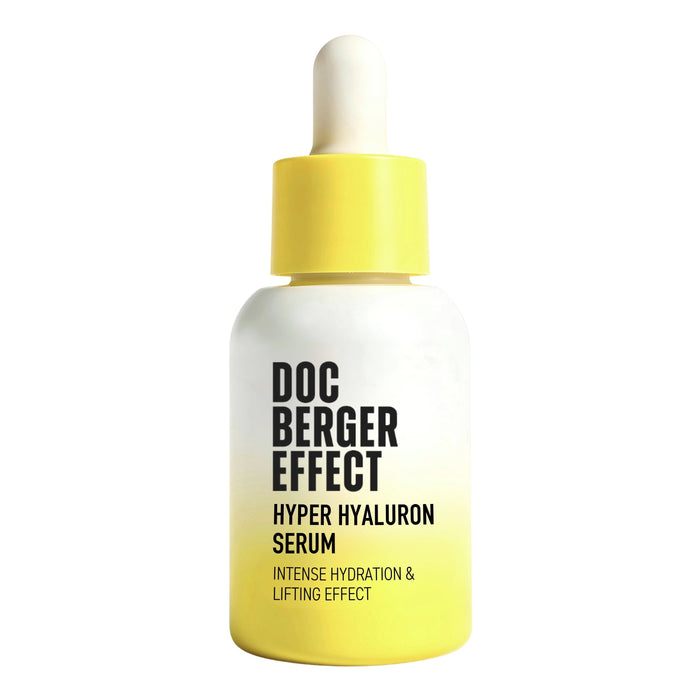
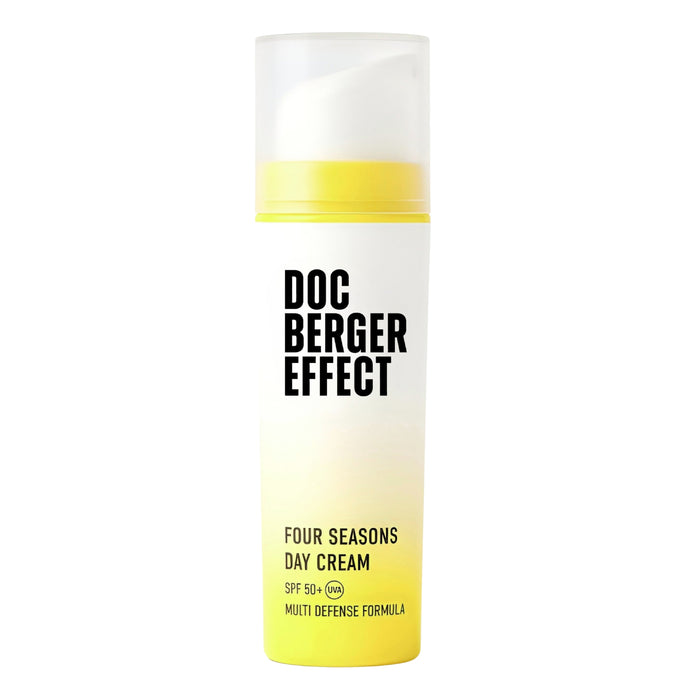
Nutrition is the foundation of healthy skin: It supplies the cells with essential nutrients, vitamins, and antioxidants that protect against oxidative stress and slow down the aging process. But even the best diet alone isn’t enough—that’s where our targeted, active-ingredient skincare products from DOC BERGER EFFECT come into play.

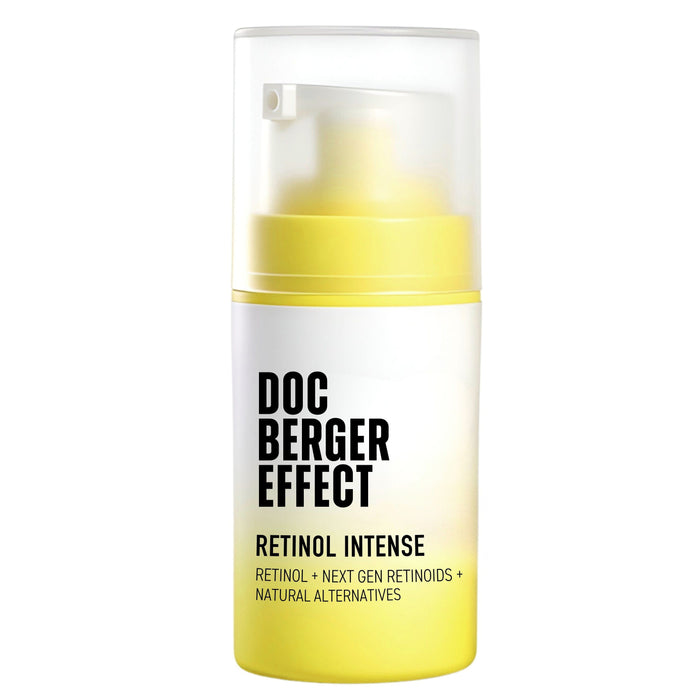
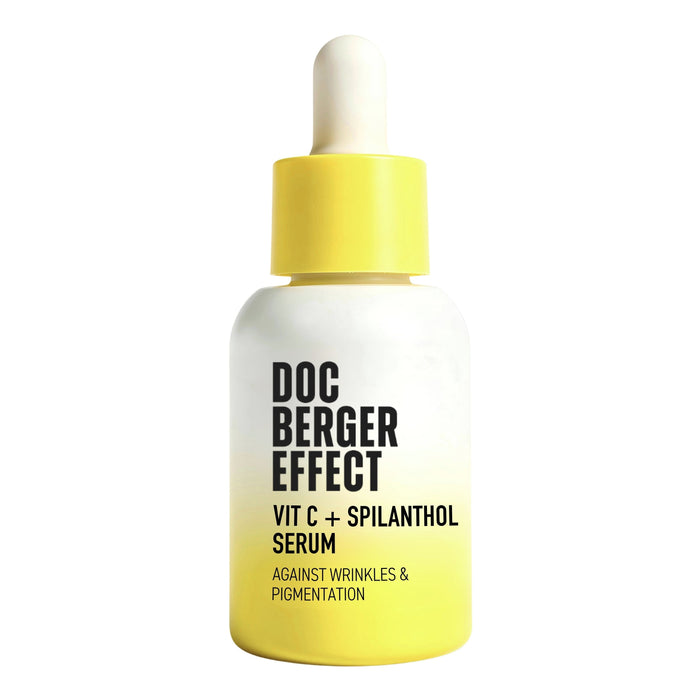
Our products are based on the latest scientific findings and contain carefully selected ingredients such as retinol (e.g., in our retinol serums), hyaluronic acid (e.g., in the Glowing Eye Patches), vitamin C (e.g., in the Vit C + Spilanthol Serum), and innovative peptides such as Argireline® (e.g., in the Lifting Eye Wonder). These active ingredients are known to demonstrably stimulate collagen production, promote cell renewal, and lock in moisture deep within the skin.

In doing so, we consistently adhere to the principle of clean beauty: Our formulations deliberately avoid skin-irritating or questionable additives and instead focus on the essentials. This allows us to achieve maximum tolerability combined with the highest efficacy—for every skin type and every age.

Conclusion

A youthful appearance isn’t a matter of chance—it comes from taking care of your skin both inside and out. A mindful diet can help reduce skin inflammation and improve your complexion over the long term. It’s not about short-term “miracle cures,” but rather a consistent, skin-friendly diet combined with a healthy lifestyle. This way, you create the ideal conditions for skin longevity and specifically counteract the signs of aging. Discover our active-ingredient skincare products now to create your perfect skincare routine.

For a limited time only, get 10% off with our