Does retinol make the skin thinner?
November 26, 2025 – Dr. Luise Berger
Free shipping on orders of €200 or more
Retinol Named Top Pick in the "taff" TV Test
Start Your Free Skin Analysis
Created by Dr. Berger, a medical specialist
NEW: Platinum Elixir
Made in Germany
Earn valuable loyalty points
Customers frequently searched for:


November 26, 2025 – Dr. Luise Berger
Key Points at a Glance
Does retinol make the skin thinner?
• No—over the long term, retinol firms the skin and strengthens its structure.
• At first, your skin may feel more sensitive because old cells are shed more quickly.
• Typical initial phase: mild dryness, flaking, redness.
• After a few weeks, the skin becomes more resilient, smoother, and more even-toned.
• Important: Introduce it gradually and always use SPF during the day.
Many people who use retinol for the first time report that their skin feels more sensitive or thinner during the first few weeks. This is completely normal—and not a sign that the skin is being damaged.
Retinol accelerates the skin’ s natural cell renewal process. Old, dead skin cells are shed more quickly, while new, fresh cells form beneath them. As a result, the skin appears smoother in the short term—and sometimes even slightly more translucent—but in reality, it is already beginning to become stronger from within.
This so-called “retinol initiation phase” usually lasts only a few weeks. Afterward, the skin barrier stabilizes, hydration improves, and the complexion appears smoother, more even, and more resilient.


During the transition period, mild irritation may occur—it is usually harmless and temporary:
Tip: If your skin feels tight during this time, soothing ingredients such as panthenol, squalane, hyaluronic acid, or ceramides can help. They strengthen the skin barrier and make starting out with retinol much more comfortable.
Retinol—also known as vitamin A—is one of the most extensively studied active ingredients in modern skincare. Its effects extend far beyond the skin’s surface: Retinol stimulates cell activity in deeper layers of the skin, promotes collagen production, and helps the skin renew itself.
Unlike many skincare ingredients that provide short-term results, retinol has a lasting effect on the skin’s structure. It refines the skin’s texture, improves elasticity, and evens out unevenness. It works on several levels at once:
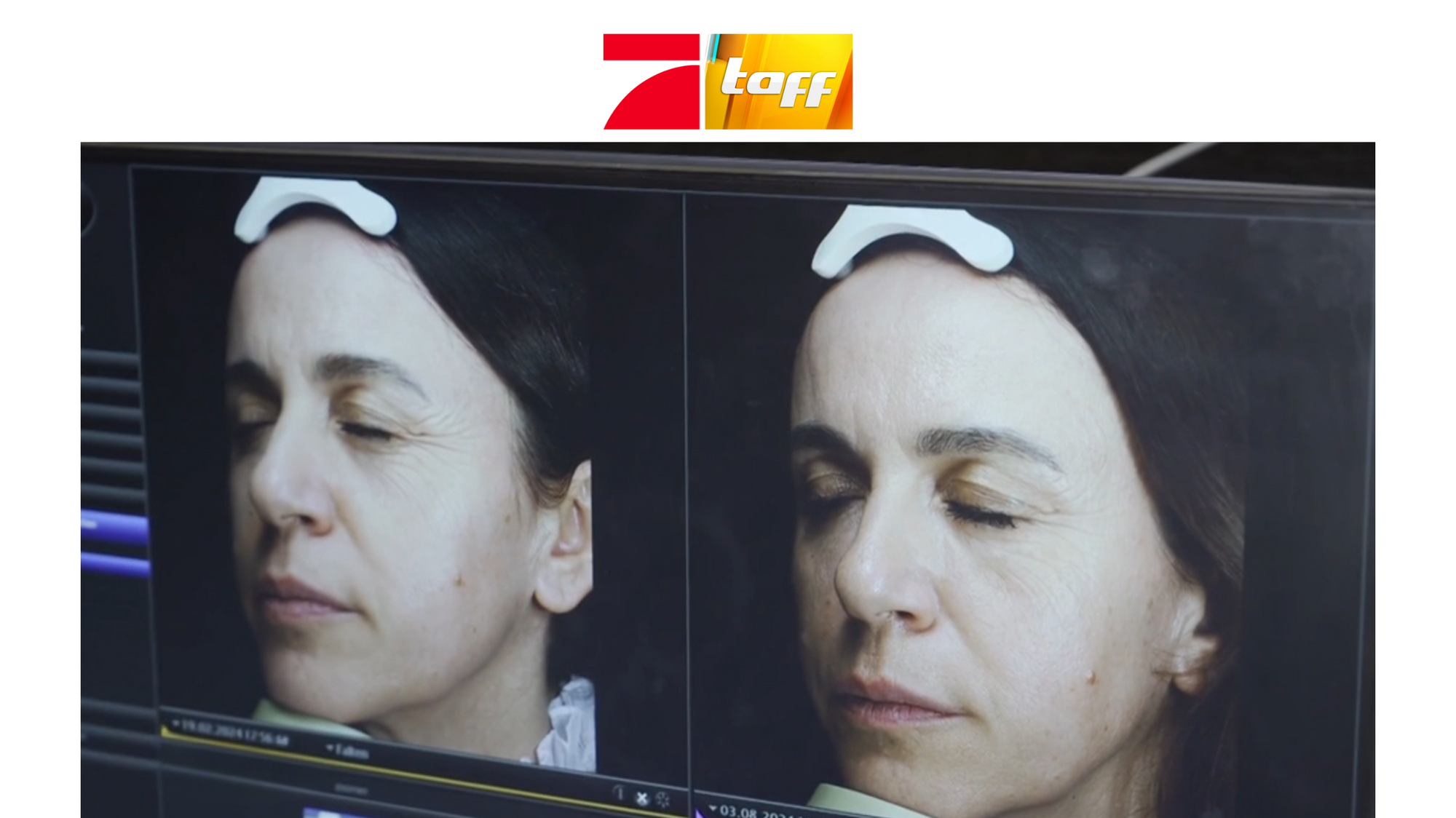
Retinol is one of the few active ingredients in cosmetics whose anti-aging effect has been scientifically proven. Studies show that regular use over several months measurably firms the skin’s structure and increases collagen density. In an independent TV test on “Taff” and “SAT.1 Frühstücksfernsehen,” the DOC BERGER EFFECT Retinol Serum impressively demonstrated its wrinkle-smoothing effect —and clearly outperformed conventional drugstore products.
For retinol to be fully effective, it’s not just about the right concentration, but also about how you apply it and how you combine it with other skincare products. Especially for beginners: less is more—and patience pays off.
Start with a low concentration (0.1–0.3%) and use the product two to three times a week in the evening at first. Once your skin has gotten used to the active ingredient, you can increase the frequency to every other night or, eventually, every night.
After cleansing, apply the retinol serum to dry skin—followed by a moisturizing night creamto support the skin barrier. If using multiple serums, apply the lighter, liquid textures first, followed by the richer ones.
Retinol stimulates cell renewal—which makes the skin temporarily more sensitive to light. Therefore, always use a daytime moisturizer with sun protection (SPF 30 or higher) in the morning. This protects against UV-induced collagen breakdown and helps maintain the positive effects of retinol over the long term.

“Based on my medical experience, I can only say this: I swear by active ingredients whose effectiveness has been scientifically proven—and retinol is definitely one of them. I’m 48 years old, and I see the results not only in myself but also every day in my clients: Their skin looks firmer, smoother, and more even-toned.”
Many people who have preconceptions about retinol or believe they can't tolerate it are simply using it incorrectly —or are using products that are too harsh or unstable and contain irritating additives.
I can put your mind at ease: If you invest in a high-quality retinol product, introduce it gradually, wear sunscreen during the day, and are patient during the adjustment period, you’ll be thrilled with the results in the long run.
"Every skin type benefits from retinol—and anyone who doesn't use it is missing out on one of the most effective ways to visibly slow down skin aging."
– Dr. Luise Berger
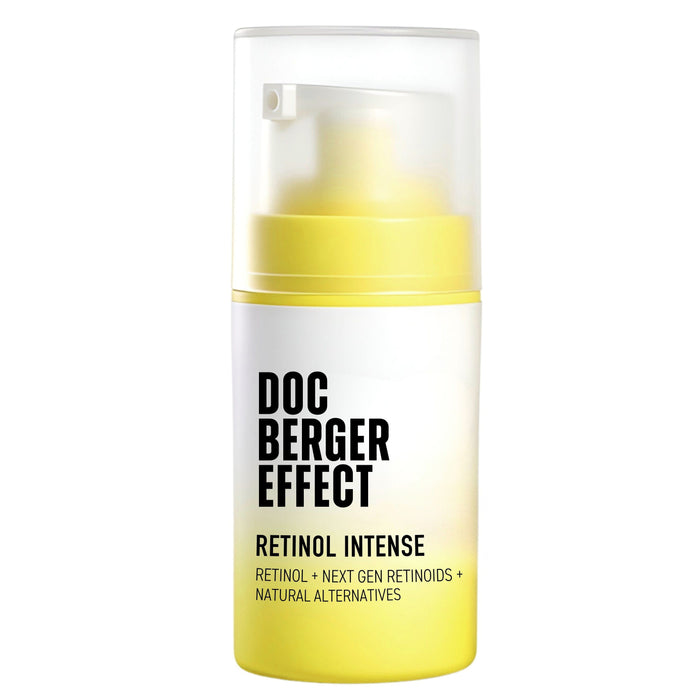

High-potency retinol serum with added retinoids and bakuchiol—ideal for skin accustomed to retinol
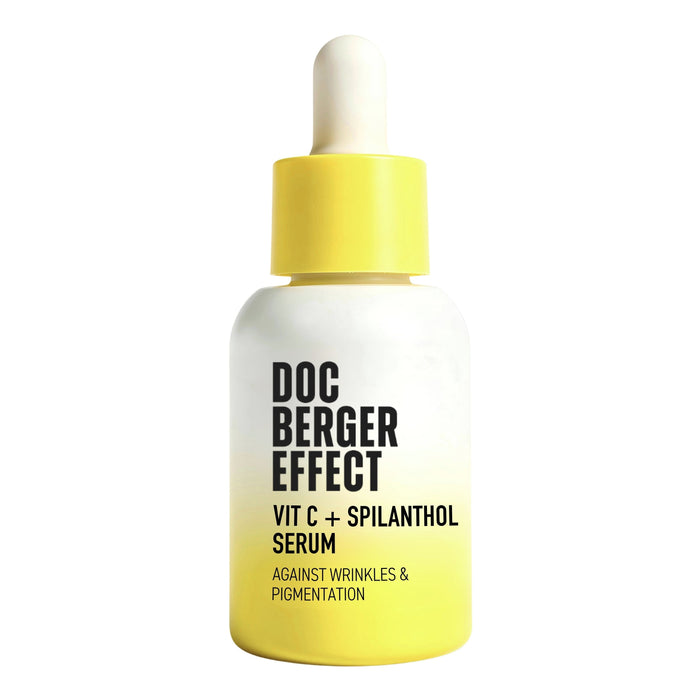

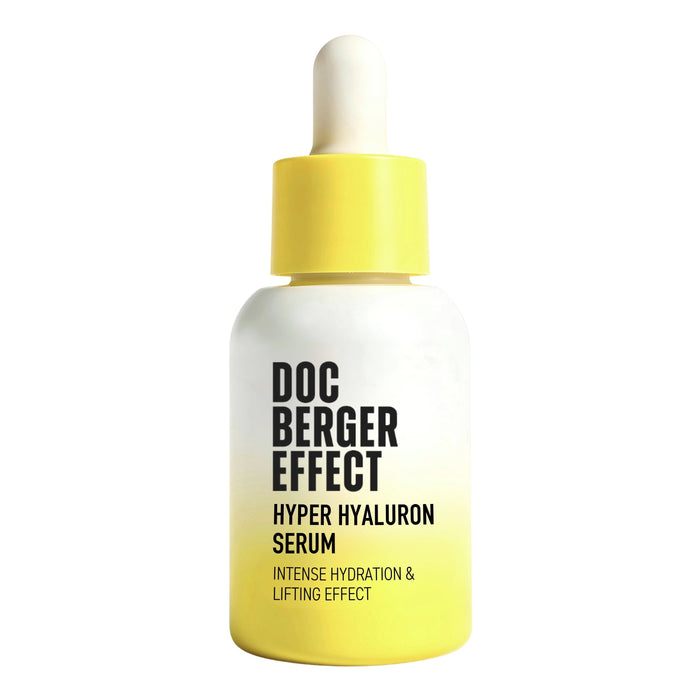
Highly Concentrated Vitamin C Serum with Spilanthol ("Biobotox")

Deliver Instant Hydration, Reduce Puffiness & Smooth Fine Lines
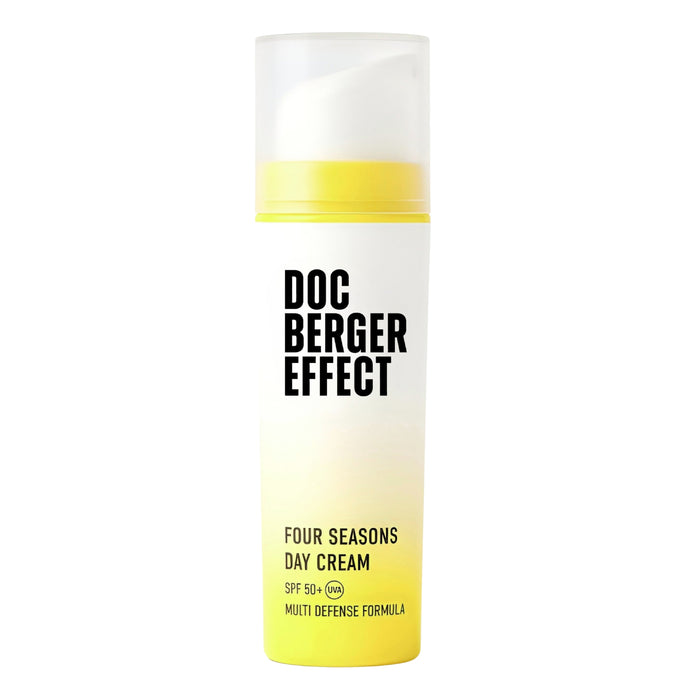

Day cream with SPF 50+ and enhanced protection against blue light and infrared rays
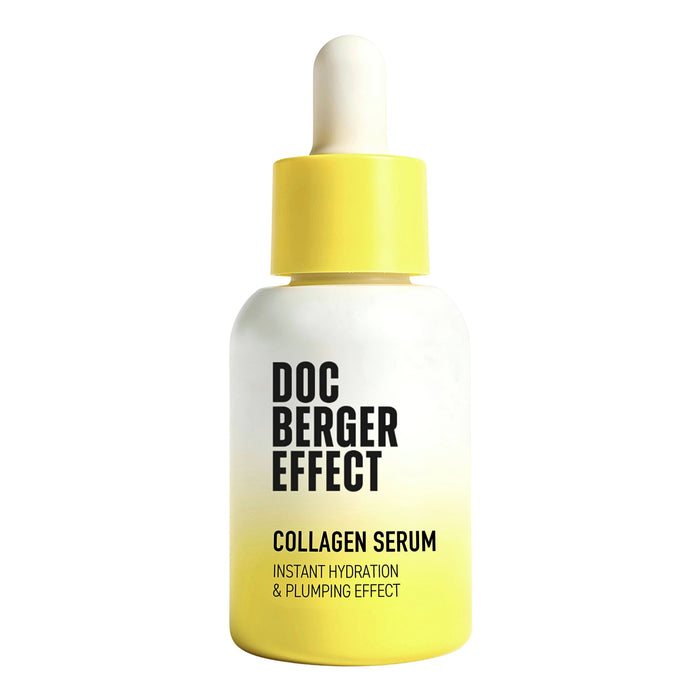

Plumping collagen serum for improved firmness and elasticity


Refreshing eye serum that improves the appearance of puffiness and fine lines


High-End Hydrating Serum with Platinum and Peptide/Exosome Technology for Skin Longevity


Gentle retinol serum with added bakuchiol—ideal for those new to retinol


Exclusive collagen night cream with a light texture and innovative anti-aging benefits—for skin at its best

August 24, 2026 – Dr. Luise Berger
Dr. Luise Berger (“Doc Berger”) is a board-certified specialist in plastic and aesthetic surgery, the founder of a renowned practice in Munich, and the developer of the DOC BERGER EFFECT line of active-ingredient cosmetics. For more than 20 years, she has been studying the female body, aesthetics, skin, the aging process, and how to preserve natural beauty for as long as possible.
Read more
August 24, 2026 – Dr. Luise Berger
You can purchase DOC BERGER EFFECT online as well as in-store in Munich, Berlin, and Hamburg. This highly effective skincare brand is available in the official online store, directly from Dr. Luise Berger, and at select exclusive beauty retailers.
Read more
August 7, 2026 – Dr. Luise Berger
Serums have long been among the most popular skincare products—and for good reason. They provide the skin with highly concentrated active ingredients such as hyaluronic acid, vitamin C, or niacinamide. Many people prefer a light, fast-absorbing texture that doesn’t leave a sticky feeling and works perfectly as a base under makeup. But not every serum absorbs equally well—the formulation...
Read moreDiscover more
Newsletter
Join our skincare community and never miss any updates!
Currency
Get 10% off your first order
Subscribe to our newsletter and get access to insider information from Dr. Luise Berger and exclusive benefits.
By entering my email address, I agree to receive emails from Effect & Result GmbH and confirm that I have read the privacy policy.