What is perioral dermatitis?
September 16 2025 – Dr. Luise Berger
Free shipping on orders of €200 or more
Retinol Named Top Pick in the "taff" TV Test
Start Your Free Skin Analysis
Created by Dr. Berger, a medical specialist
NEW: Platinum Elixir
Made in Germany
Earn valuable loyalty points
Customers frequently searched for:


September 16 2025 – Dr. Luise Berger
Common triggers include over-treatment with too many different or irritating creams, corticosteroid-containing ointments, heavily occlusive products, makeup, stress, hormonal fluctuations, and external irritants such as UV radiation or wearing a mask. Diet can also play a role in POD, particularly sugar, dairy products, and alcohol.
Yes, stress is a common trigger for POD. The release of the stress hormone cortisol weakens the skin barrier, increases sebum production, and intensifies inflammation—creating an ideal breeding ground for POD.
With consistent "zero therapy," it usually takes 6–12 weeks for the skin to recover from POD. Initially, POD symptoms may worsen before a noticeable improvement occurs. Patience is key.
If you have POD, it's best to avoid foods that promote inflammation: sugar, white flour, alcohol, fast food, and often dairy products as well. Better choices include vegetables, whole grains, omega-3 fatty acids, and plenty of water.
Mild, fragrance-free cleansing foams. Harsh cleansing gels or products containing alcohol can worsen symptoms. A gentle cleansing foam that is initially used only in the evening and protects the skin barrier is ideal. Many people swear by Foam Sensitive from DOC BERGER EFFECT.
A good day cream for POD should have a clean formula, be non-occlusive, low-irritant, and soothing to the skin. We also recommend using products with adequate SPF to protect the skin from external radiation. A popular choice is the DOC BERGER EFFECT Four Seasons Day Cream, which , in addition to its skin-soothing properties, also protects against UV rays, blue light, and environmental stress ( ).
Unfortunately, there is no quick fix. The most important step is the "zero therapy" approach. Patience, gentle skincare products, stress reduction, and an anti-inflammatory diet can all help.
During the acute phase of POD, you should avoid wearing any makeup at all. Foundation or concealer can worsen the symptoms, precisely because makeup products often contain silicones, parabens, and other problematic additives. Only once the skin has stabilized should you gradually resume using light, non-comedogenic makeup.
Because the underlying causes are often not permanently resolved. If you go back to using too many creams, the wrong products, heavy makeup, or continue to experience constant stress, you risk new flare-ups. A consistently minimalist, clean skincare routine is your best defense. Take an online skin analysis at DOC BERGER EFFECT and find the right products for your individual needs.
Perioral dermatitis (also known as POD, rosacea perioralis, or “stewardess disease”) is an inflammatory skin condition characterized by small red pustules, nodules, and scaling around the mouth, nose, or eyes. The skin appears irritated, burns, and feels tight—many people with this condition feel severely limited in their daily lives.
The name “flight attendant disease” comes from the fact that flight attendants are constantly exposed to extremely dry, cold air while on the job. Many try to counteract this by using various moisturizers. Added to this is the pressure to maintain a flawless appearance—which means wearing makeup all the time, putting additional strain on the skin. This combination is considered a classic trigger for POD.


The causes of perioral dermatitis are varied—in most cases, several factors play a role at the same time:
Using too many creams, heavily occlusive products, or cortisone creams disrupts the skin’s natural balance. The skin barrier is weakened, pores become clogged, and inflammation sets in—resulting in the typical red pustules around the mouth and nose.
Diet can also play a role. Highly processed foods, sugar, alcohol, and dairy products can promote inflammation in the body and put a strain on the skin. Some people with POD report that a low-inflammatory diet rich in vegetables and healthy fats and low in sugar has significantly improved their POD symptoms.
Stress is a common trigger for skin problems. The release of stress hormones such as cortisol weakens the skin barrier, causes the skin to produce more sebum, and intensifies inflammatory processes. This can worsen existing skin problems or even trigger POD in the first place.
Hormones also play a role. Fluctuations—such as those caused by the menstrual cycle, pregnancy, or stopping birth control pills—can make the skin more sensitive and promote inflammation. For some people, POD occurs more frequently during periods of hormonal change.
Frequent mask-wearing, friction from scarves in the winter, or intense UV radiation and heat in the summer can irritate the skin and contribute to POD.

As paradoxical as it may sound, the most important thing to do when dealing with POD is to do nothing. This so-called “zero therapy” means:
That may sound strict, but it's essential for the skin barrier to regenerate.
After the "zero therapy" period, you can slowly resume your skincare routine:
A gentle, soothing cream protects against external factors without over-nourishing the skin.
Example: The Four Seasons Day Cream by DOC BERGER EFFECT protects against UV, blue light, and infrared radiation and is formulated with a skin-identical cream base.
A toner helps regulate excess sebum, restore the skin's optimal pH balance, and make the skin appear clearer.
After a few weeks, a night cream that regenerates the skin barrier overnight.
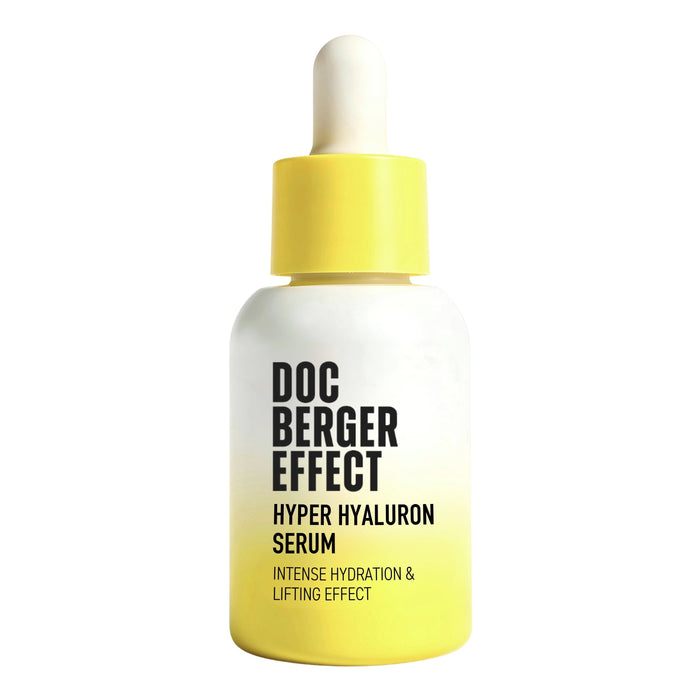
Once the skin has been stable for at least three months, serums can be added—for example, those containing collagen, hyaluronic acid, aloe vera, or Matrixyl 3000 —to provide moisture and soothe the skin.


A good cream for perioral dermatitis should:
Treating perioral dermatitis requires patience, a minimalist approach, and the courage to try "zero therapy." By gently and gradually building up your skincare routine, you can help regenerate the skin barrier and soothe POD over the long term.


Soothing Facial Toner with Panthenol – for Sensitive or Dry Skin


Gentle Cleansing Foam - for sensitive or dry skin


Exclusive collagen night cream with a light texture and innovative anti-aging benefits—for skin at its best
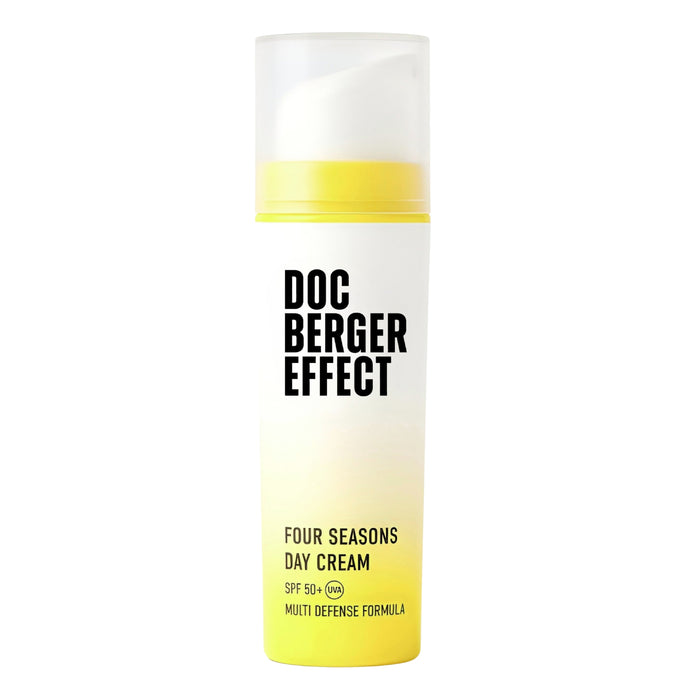

Day cream with SPF 50+ and enhanced protection against blue light and infrared rays
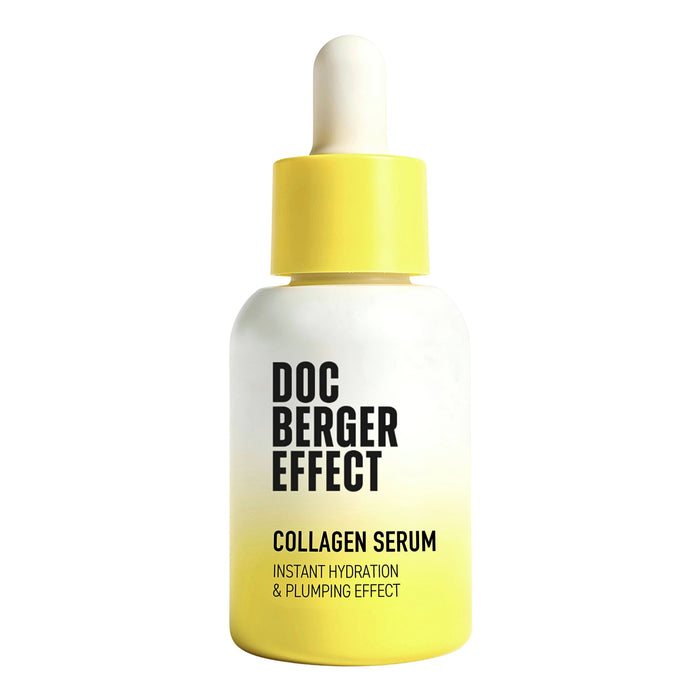

Plumping collagen serum for improved firmness and elasticity


High-End Hydrating Serum with Platinum and Peptide/Exosome Technology for Skin Longevity

August 24, 2026 – Dr. Luise Berger
Dr. Luise Berger (“Doc Berger”) is a board-certified specialist in plastic and aesthetic surgery, the founder of a renowned practice in Munich, and the developer of the DOC BERGER EFFECT line of active-ingredient cosmetics. For more than 20 years, she has been studying the female body, aesthetics, skin, the aging process, and how to preserve natural beauty for as long as possible.
Read more
August 24, 2026 – Dr. Luise Berger
You can purchase DOC BERGER EFFECT online as well as in-store in Munich, Berlin, and Hamburg. This highly effective skincare brand is available in the official online store, directly from Dr. Luise Berger, and at select exclusive beauty retailers.
Read more
August 7, 2026 – Dr. Luise Berger
Serums have long been among the most popular skincare products—and for good reason. They provide the skin with highly concentrated active ingredients such as hyaluronic acid, vitamin C, or niacinamide. Many people prefer a light, fast-absorbing texture that doesn’t leave a sticky feeling and works perfectly as a base under makeup. But not every serum absorbs equally well—the formulation...
Read moreDiscover more
Newsletter
Join our skincare community and never miss any updates!
Currency
Get 10% off your first order
Subscribe to our newsletter and get access to insider information from Dr. Luise Berger and exclusive benefits.
By entering my email address, I agree to receive emails from Effect & Result GmbH and confirm that I have read the privacy policy.