How do you properly care for your neck and décolletage—and which serums and creams are truly effective against wrinkles on the neck?

June 16, 2026 – Dr. Luise Berger

The neck and décolletage are among the first areas of the body where signs of aging become visible. While the face is treated daily with serums, retinol, sunscreen, and moisturizer, the neck and décolletage are often overlooked.

The problem: The skin on the neck is thinner, has fewer sebaceous glands, and is constantly exposed to movement, UV radiation, and environmental factors. This results in fine lines, horizontal wrinkles (“tech neck”), loss of elasticity, and age spots.

But what kind of skincare is really effective for the neck and décolletage? Is a regular face cream enough? Which active ingredients help reduce neck wrinkles? And how can you keep your skin firm and youthful in the long term?

In this article, you'll learn everything you need to know about properly caring for your neck and décolletage.

Why does the skin on the neck and décolletage age so quickly?

Thinner skin texture

The skin on the neck and décolletage contains fewer sebaceous glands and less supportive fatty tissue than many other areas of the body. As a result, it has a harder time retaining moisture, tends to dry out more quickly, and becomes more prone to fine lines, wrinkles, and loss of elasticity.

Constant Movement and Tech Neck

The neck is constantly in motion. Every turn, every tilt of the head—and especially the frequent act of looking down at a smartphone, tablet, or laptop—puts additional strain on the skin.

This can result in both vertical wrinkles caused by the activity of the platysma muscle and horizontal neck wrinkles. The latter are often referred to today as“tech neck”because they are further exacerbated by our modern screen-use posture.

UV radiation

Many people apply sunscreen only to their faces. However, the neck and décolletage are often overlooked, even though they are exposed to UV rays every day.

Yet UV radiation is one of the main causes of premature skin aging. It can break down collagen, promote the formation of age spots, and, over time, make the skin appear thinner, drier, and less elastic.

Sleeping Position

Your sleeping position also plays an important role. Side and stomach sleepers, in particular, often develop vertical décolletage wrinkles because their breasts are compressed for many hours.

These wrinkles are often particularly noticeable in the morning. Over the years, however, they can become permanently etched into the skin and remain visible even during the day.

Smoking

Nicotine in tobacco smoke constricts blood vessels and reduces blood flow to the skin. As a result, fewer oxygen and nutrients reach the skin cells. This can inhibit skin regeneration and impair the production of collagen and elastin.

Over time, this causes the skin to appear thinner, duller, less elastic, and more prone to wrinkles. Of course, this doesn’t just affect the neck and décolletage: Along with a lack of sun protection, smoking is one of the biggest beauty enemies of youthful-looking skin.

Nutrition

We've all heard the saying: "You are what you eat." In this case, you could even say: "You can see what you eat."

A balanced diet is especially important in the second half of life, after age 40. A deficiency in vitamins, minerals, and antioxidants can have a negative effect on the skin, making it appear dull and accelerating the aging process.

Chronic high sugar consumption is particularly problematic. Excess sugar can damage the body’s own collagen and elastin structures. This process is known as glycation. As a result, the tissue loses elasticity, wrinkles can form more quickly, and the skin appears less firm overall.

Hormonal Changes and Menopause

Hormonal changes also have a significant impact on skin aging in the neck and décolleté. In women in particular, estrogen levels drop significantly starting with menopause. However, estrogen plays an important role in skin health. Studies show that women can lose a significant amount of collagen in the first few years after menopause. This loss of collagen is often particularly noticeable early on in the neck and décolletage, as the skin there is naturally less firm than, for example, on the cheeks.

But it's not just menopause that plays a role. Pregnancy, breastfeeding, hormonal birth control, and hormonal disorders can also affect skin quality.

How do you properly care for your neck and décolletage?

First, the good news: You usually don't need a complicated second skincare routine.

The biggest mistake isn't actually made when choosing a product, but much earlier.

Most people take very good care of their faces—and then stop at their chins.

That’s exactly why we often see that the skin on the face still looks fresh and well-cared-for, while the neck and décolletage already show fine lines, wrinkles, or age spots. After all, the neck and décolletage don’t age any slower than the face. On the contrary.

So, as a skin care expert, my most important tip is:

Just take your skincare products downstairs with you

When you apply your serum in the morning, don't leave the last few pumps on your hands or wash them off. Instead, massage them into your neck and décolletage.

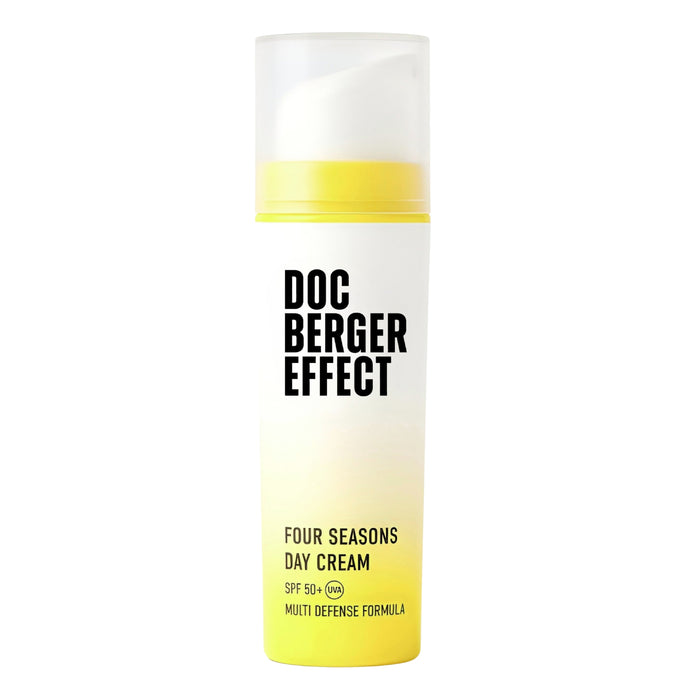
The same goes for your day cream, your night cream, and especially your sunscreen.

All the high-quality active ingredients designed to protect and regenerate your face can also benefit your neck and décolletage.

Cleaning – Often Underestimated

When it comes to cleansing, many people only think about makeup. But sweat, sunscreen, perfume, hair products, and environmental pollutants build up every day, especially on the neck.

We often see skin irritation, especially along the hairline and on the sides of the neck, that is simply caused by residue from styling products.

Gentle cleansing in the evening therefore lays the foundation for the subsequent skincare routine to work optimally.

Moisture around the neck is important—but it's not enough on its own

Many people try to treat neck wrinkles using only hyaluronic acid. The problem is that while moisture can smooth out fine lines caused by dryness in the short term, it does not address the actual causes of skin aging.

Nevertheless, it's important to keep your skin well-moisturized. The skin on the neck, in particular, tends to dry out faster than the skin on the face.

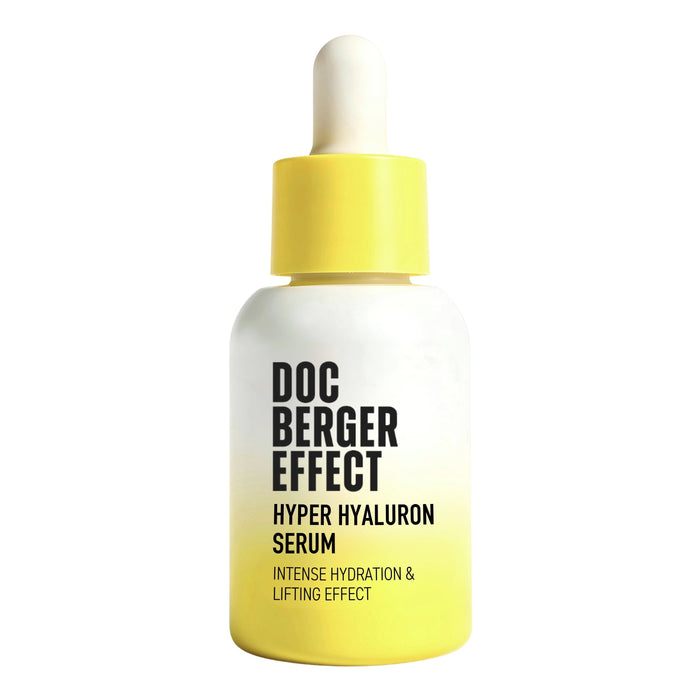
That’s why a high-quality hyaluronic acid serum can help make the skin look plumper, smoother, and fresher. The Hyper Hyaluron Serum by DOC BERGER EFFECT contains not only a high concentration of hyaluronic acid but also two Botox-like peptides that can specifically relax expression lines.

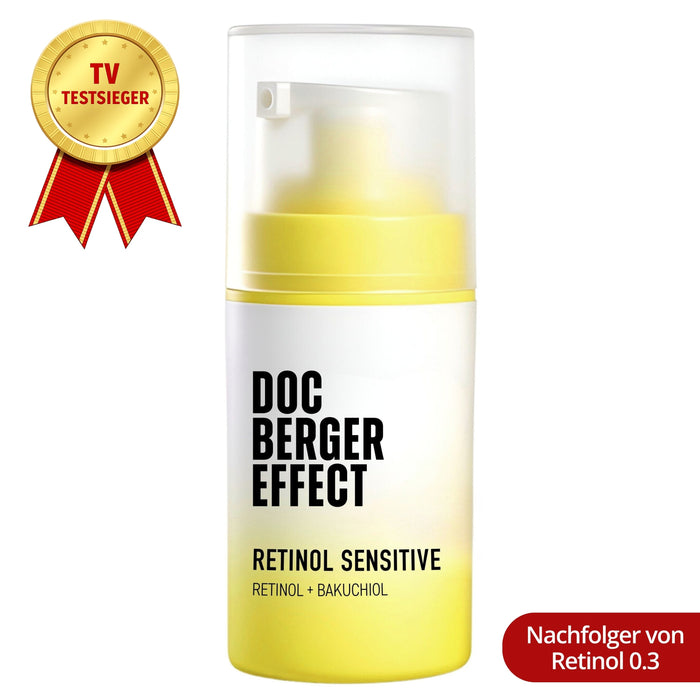
Retinol – my personal favorite for the neck and décolletage

When patients ask me which single active ingredient I would choose for the first signs of neck wrinkles, my answer is almost always: RETINOL.

No other cosmetic active ingredient has been studied as extensively in recent decades.

Retinol can promote skin renewal, support collagen production, and, over the long term, help make the skin appear denser and firmer.

In my practice, I often see particularly noticeable improvements on the neck when retinol is used consistently over several months.

However, patience is key.

Many people expect to see visible changes after two weeks. However, the skin needs time. The best results usually appear after several months or years of regular use.

Vitamin C—the morning counterpart to retinol for the neck and décolletage

When we talk about anti-aging, many people immediately think of retinol.

In doing so, they often overlook another very important nutrient: vitamin C.

The neck and décolletage, in particular, are exposed to UV radiation every day. This leads to the formation of free radicals, which can damage collagen fibers and accelerate skin aging.

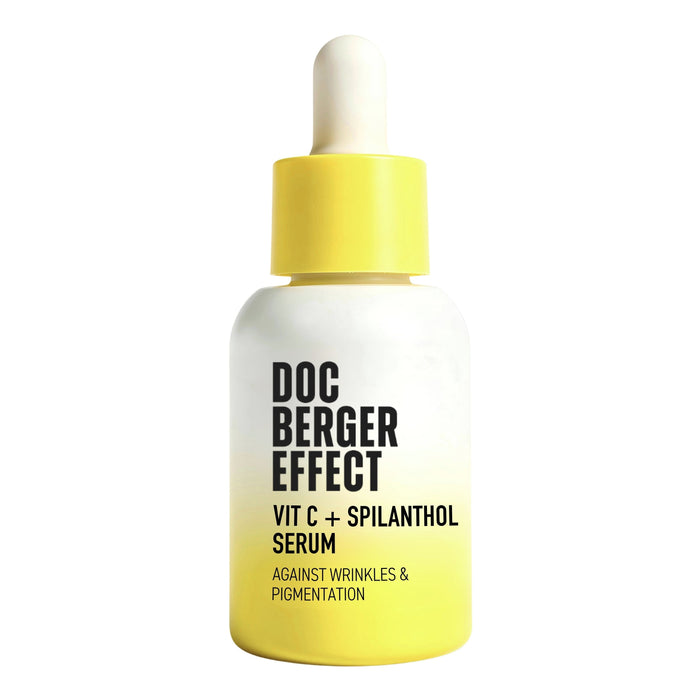
A high-quality vitamin C serum can help protect the skin from these stresses and make the complexion appear more even over the long term.

The most important anti-aging tip of all: sunscreen

If I could give just one tip for younger-looking skin, it would be this:

Apply sunscreen every day, extending down to your décolletage.

Not retinol.
Not hyaluronic acid.
Not collagen.

Sun protection.

This is because much of the visible signs of skin aging are caused not by age itself, but by UV radiation.

What helps with neck wrinkles? Which neck wrinkles can be treated with creams, Botox, or fillers?

This is one of the most common questions we are asked at our practice.

The honest answer is: It depends on the type of neck fold and how pronounced it already is.

Many people refer to “neck wrinkles,” even though there can be a wide variety of underlying causes. That’s why there isn’t a single treatment that works for everyone.

When the first neck wrinkles appear, skincare is often the most important step

If the wrinkles are still relatively fine and the skin appears mainly dry, creased, or slightly sagging, a consistent skincare routine can often already produce visible improvements.

The following are particularly important:

  • Daily Sun Protection
  • Retinol
  • Hyaluronic acid
  • Vitamin C and Other Antioxidants
  • Rich Night Treatment

Many people are looking for a quick fix, but the real problem is often that the neck and décolletage have received significantly less attention than the face for years.

The earlier you start, the more effectively you can usually address visible signs of aging.

Treating Neck Wrinkles with Botox

Botox is particularly effective for the so-called platysma bands.

These are the vertical bands of muscle that become particularly visible when speaking, laughing, or tensing the neck. As we age, these bands often become more prominent and can make the neck appear older or more tense.

Targeted treatment with botulinum toxin can reduce the tension in the platysma muscle. This often makes the neck appear smoother, more relaxed, and more harmonious.

At Dr. Luise Berger’s practice, treatment of the platysma bands is one of the most popular Botox procedures for the neck and lower face, as it can often achieve natural-looking results with relatively little effort.

Treating Horizontal Neck Wrinkles with Hyaluronic Acid

Not every neck wrinkle is caused by muscle activity.

Over the years, many people develop horizontal lines or deeper furrows that remain permanently visible—even when the neck is relaxed.

These so-called neck rings are often caused by a combination of skin aging, neck movements (especially constantly looking down), and the natural loss of collagen and subcutaneous tissue.

In such cases, neck wrinkles (i.e., volume loss) can be treated with specially formulated hyaluronic acid fillers. The wrinkle is gently lifted and visually reduced.

Especially when it comes to individual, more pronounced horizontal neck wrinkles, very good results can often be achieved.

Treat Neck Wrinkles with Collagen Boosters

While Botox affects muscle activity and hyaluronic acid can fill in individual wrinkles, collagen boosters take a different approach:

They are designed to improve skin quality on their own.

The following are particularly popular:

  • SCULPTRA®
  • Polynucleotides

These treatments are designed to stimulate the body's natural collagen production and make the skin appear more resilient, firmer, and more elastic over the long term.

Patients who do not want filler injections but rather wish to improve the overall quality of their skin often choose this option.

At Dr. Luise Berger’s practice, collagen boosters are now among the most sought-after treatments for the neck and décolletage, as they can naturally strengthen the tissue.

What is the best treatment for neck wrinkles?

The best treatment always depends on the cause of the wrinkles.

  • Subtle, early signs of aging → usually skin care and sun protection
  • Vertical wrinkles (platysma bands) → often treated with Botox
  • Horizontal wrinkles (neck rings) → often hyaluronic acid
  • Thinning skin with reduced elasticity → often collagen boosters such as SCULPTRA® or polynucleotides
  • Significantly sagging skin with excess skin → only surgical procedures such as a neck lift or lower facelift

Often, a combination of different measures is also advisable.

Last but not least: Skincare is always the foundation

Many people hope that Botox, fillers, or collagen boosters can “replace” their daily skincare routine.

Unfortunately, that's not the case.

Even the best aesthetic treatment cannot protect the skin from UV radiation, compensate for moisture loss, or permanently counteract the daily stresses of everyday life. It can reduce wrinkles, restore volume, or improve skin quality—but the actual care of the skin takes place every day at home.

That's why small, consistent steps are often more important than a single major treatment.

High-quality sunscreen in the morning. A concentrated retinol serum in the evening. A healthy diet. Don't smoke.

All of these habits may seem unremarkable on their own. Over the course of years and decades, however, they make an enormous difference.

Skin aging isn't a sprint—it's a marathon.

If you want to keep your neck and décolletage looking beautiful over the long term, you’ll usually achieve the best results through a combination of consistent skincare and—if desired—targeted medical-aesthetic treatments. It’s not one or the other, but both together. That is often the secret to skin that still looks healthy, well-cared-for, and naturally beautiful even after many years. 

What is "Tech Neck"?

The term "tech neck" refers to horizontal neck wrinkles caused by constantly looking down at smartphones, tablets, and laptops.

Here's How You Can Prevent Tech Neck

  • Hold your smartphone at eye level more often
  • Position the screen higher
  • Change your posture regularly
  • Take Good Care of Your Neck
  • Use sunscreen every day

Do you need a special cream for your neck and décolletage?

Not necessarily.

The formulation is much more important than the label on the product.

High-quality active ingredients such as the following are crucial:

High-quality facial skincare products can therefore often be just as suitable for the neck and décolletage.

How often should you take care of your neck and décolletage?

Ideally, in the morning and in the evening.

Many people take care of their face twice a day, but stop at the jawline.

The simplest solution:

Any product applied to the face is spread all the way down to the décolletage.

This way, there is no additional effort involved.

Is it possible to get rid of wrinkles on the décolletage?

Wrinkles that have already formed usually do not disappear completely.

Through a combination of:

  • Sun Protection
  • Retinol
  • Moisturizing Care
  • professional treatments

However, the appearance of the skin can often be significantly improved.

The earlier you start your skincare routine, the more effectively you can prevent visible signs of aging.

For a limited time only, get 10% off with our