1. Gentle Cleansing
Oily Skin
Complexion
Pores
Distinctive Feature
Free shipping on orders of €200 or more
Retinol Named Top Pick in the "taff" TV Test
Start Your Free Skin Analysis
Created by Dr. Berger, a medical specialist
NEW: Platinum Elixir
Made in Germany
Earn valuable loyalty points
Customers frequently searched for:
Are you tired of constantly shiny skin and annoying breakouts? Oily skin can be a challenge, but it also has specific needs that can be met with the right skincare routine. If your skin produces an excessive amount of sebum, this often leads to an oily complexion, enlarged pores, and frequent breakouts such as blackheads and pimples.
Oily Skin
Your skin often has an oily sheen all over your face and is prone to breakouts and acne.
Complexion
Your complexion is often shiny, uneven, and reddened by blemishes.
Pores
Your skin is characterized by enlarged pores and a greater tendency to develop blackheads, pustules, and pimples.
Distinctive Feature
Daily, thorough cleansing and gentle skincare are important for maintaining the skin's balance and preventing blemishes.
Oily skin, also known in dermatology as seborrhea oleosa, is a skin type in which the sebaceous glands are overactive and therefore produce more sebum than necessary. This increased sebum production results in a shiny or oily-looking complexion, which is often accompanied by enlarged pores and a tendency toward blemishes and acne. Oily skin can manifest in varying degrees, ranging from a slight sheen to very oily skin.
Proper skincare for oily skin aims to regulate sebum production, minimize unwanted shine, and reduce the appearance of blemishes. A balanced skincare routine can help keep the skin clear and matte without compromising its natural protective barrier.
Oily skin is often caused by genetic predisposition, hormonal changes (e.g., during puberty, pregnancy, or menstruation), and external factors such as climate and environmental pollution. Excessive sebum production by the sebaceous glands leads to an oily complexion and clogged pores.
For oily skin, a gentle yet thorough cleansing routine is essential. Use a mild, non-comedogenic cleansing foam, followed by a facial toner that removes excess oil. A lightweight, oil-free serum and daily sunscreen are also important. Applying a retinol serum before an oil-free night cream can also help improve skin texture and reduce blemishes. Regular exfoliation removes dead skin cells and keeps pores clear.
Yes, even oily skin needs moisture. It’s often assumed that oily skin doesn’t need moisture, but that’s a misconception. Use oil-free, non-comedogenic moisturizers that are lightweight and hydrate the skin without making it oily.
Avoid products containing alcohol and heavy oils, as these can dry out your skin or clog your pores. Also, look for products labeled as “non-comedogenic” to ensure they won’t clog your pores.
Facial tissues and mattifying powders are great for controlling excess shine throughout the day. Apply them to oily areas to mattify the skin without weighing it down.
Yes, oily skin tends to be more prone to acne because excessive sebum production clogs the pores and promotes the growth of acne-causing bacteria. A regular, targeted skincare routine can help minimize these problems.
Deliver Instant Hydration, Reduce Puffiness & Smooth Fine Lines
Clarifying Facial Toner with Salicylic Acid – for normal, oily, or blemish-prone skin
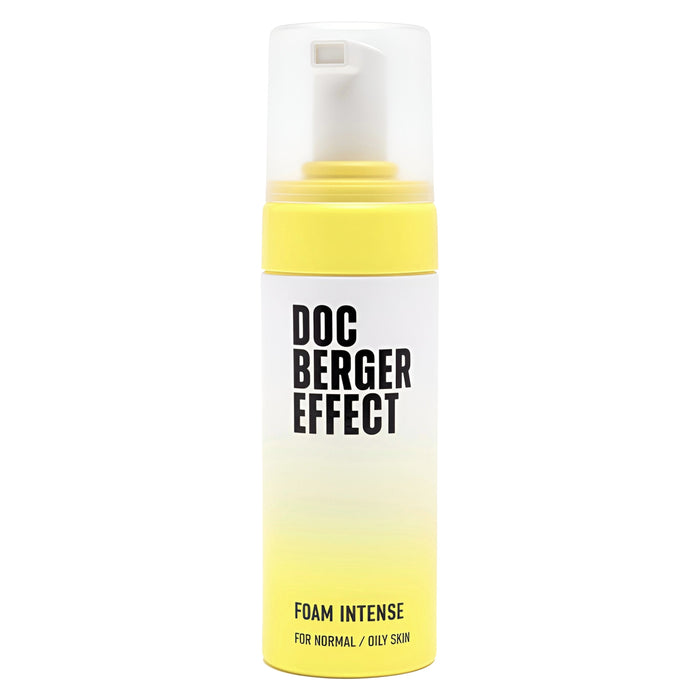
Intensive cleansing foam with a gentle exfoliating effect—for normal, oily, or blemish-prone skin
Exclusive collagen night cream with a light texture and innovative anti-aging benefits—for skin at its best
Refreshing eye serum that improves the appearance of puffiness and fine lines
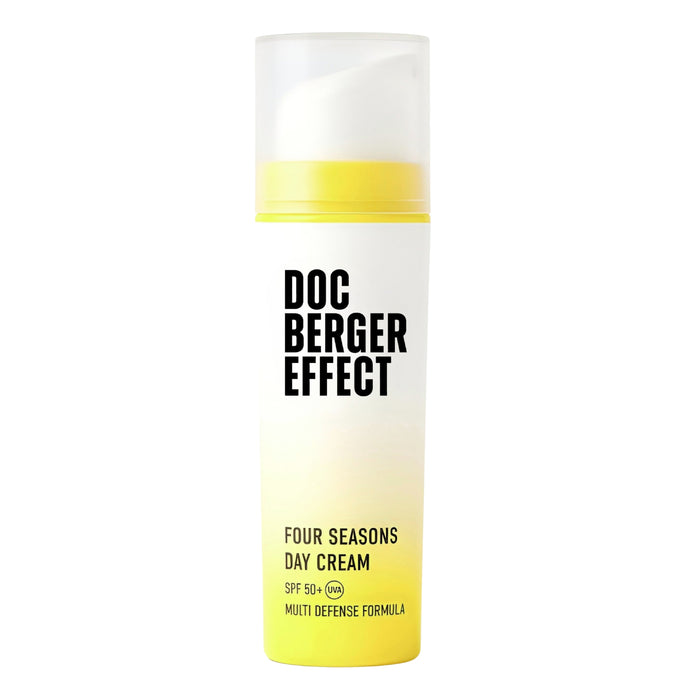
Day cream with SPF 50+ and enhanced protection against blue light and infrared rays
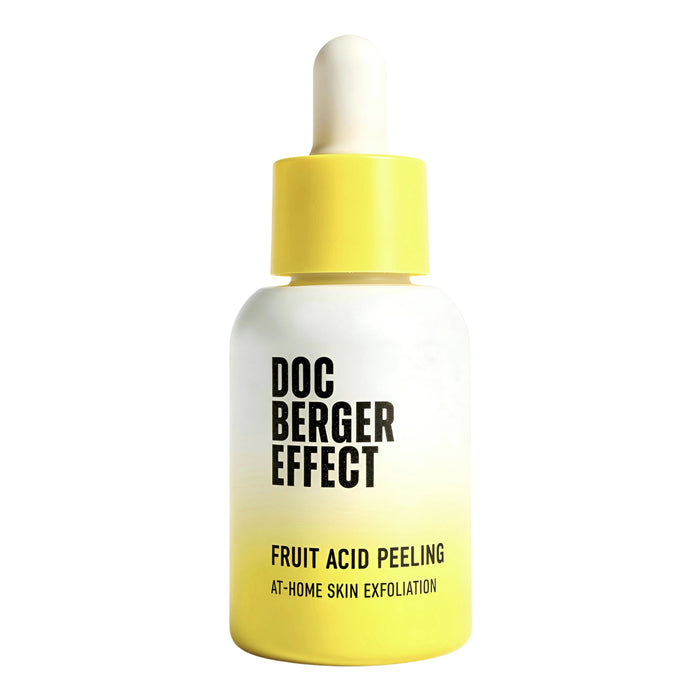
Intensive fruit acid peel that removes dead skin cells and refines the skin's texture—for non-sensitive skin
Gentle retinol serum with added bakuchiol—ideal for those new to retinol
Tips for Radiant, Beautiful Skin
1. Gentle Cleansing
Use a mild cleansing foam to remove excess oil and dirt without drying out your skin. Avoid harsh cleansers that can irritate your skin and stimulate sebum production. Cleanse your face in the morning and at night to keep your pores clear.
2. Use an astringent toner
A facial toner containing astringent ingredients, such as witch hazel, can help remove excess oil and minimize the appearance of pores. Be sure to choose an alcohol-free product to avoid irritation.
3. Lightweight Moisturizers
Even oily skin needs moisture. Choose a light, oil-free day and night cream that hydrates the skin without making it greasy. Products containing hyaluronic acid are a good choice, as they provide moisture without clogging pores.
4. Regular Exfoliation
Regular exfoliation helps remove dead skin cells and unclog pores. Use products containing salicylic acid or glycolic acid to penetrate deep into the pores and reduce excess sebum. Once or twice a week is sufficient.
5. Sun Protection
Use an oil-free sunscreen with an SPF of at least 30 every day to protect your skin from UV rays. Make sure the sunscreen is non-comedogenic to prevent clogged pores.
6. Mattifying Products
Use mattifying products, such as primer or powder, to control shine throughout the day. These products absorb excess oil and provide a matte finish.
7. Avoid excessive touching
Try to touch your face as little as possible to prevent bacteria and dirt from getting into your pores.
8. Pay attention to your diet
Avoid greasy and high-sugar foods, which can stimulate sebum production. A balanced diet rich in vegetables, fruits, and whole grains can help keep your skin in balance.
9. Drink enough water
Keep your skin hydrated from the inside by drinking enough water. This helps maintain your skin's balance and keeps it looking healthy.
Genetics play a crucial role in determining your skin type. If many members of your family tend to have oily skin, there’s a good chance you’ll struggle with it, too. But don’t worry—with the right skincare products and a tailored routine, you can make the most of your skin type and achieve a fresh, healthy complexion.
Our hormones have a significant impact on the skin’s sebum production. Especially during times such as puberty, menstruation, or pregnancy, hormonal fluctuations can lead to increased oil production. During these phases, it’s especially important to use a balanced skincare routine that helps keep the skin in balance.
Choosing the right skincare products is crucial. Products that aren't suited to your skin type can make existing problems worse. Creams that are too rich or cleansers that are too harsh can irritate your skin and stimulate oil production. So be sure to use products specifically formulated for oily skin.
Your environment has a significant impact on your skin. In warm, humid climates, the skin often produces more oil. Urban environments with high levels of air pollution can also clog pores and increase sebum production. It is therefore advisable to cleanse your skin regularly and protect it from harmful environmental factors.
Your diet is often reflected in the condition of your skin. Foods with a high glycemic index, such as sugar, can increase oil production in some people. A balanced diet rich in vegetables, fruits, and whole grains, on the other hand, can help keep your skin balanced and give it a healthy appearance.
Sometimes certain medications can affect sebum production, such as hormonal birth control or steroids. If you suspect that a medication is affecting your skin, you should discuss this with your doctor and, if necessary, look for alternatives.
What You Should Know About Oily Skin
A common characteristic of oily skin is often enlarged pores. Increased sebum production can cause the pores to dilate, making them appear more noticeable. Dirt and bacteria can accumulate more easily in these enlarged pores, which can lead to breakouts. To counteract this, regular exfoliation, thorough deep cleansing, and proper skincare are important. These measures help refine the skin’s texture and make the skin appear clearer.
Pimples are a common problem for those with oily skin, as excessive sebum production can clog pores. Bacteria often multiply in these clogged pores, leading to inflammation and the formation of pimples. To prevent pimples, it’s important to use a gentle yet effective skincare routine. Regular cleansing and specialized skincare products containing antibacterial and anti-inflammatory ingredients can help improve the skin’s appearance and minimize the occurrence of pimples.
Recommended Active Ingredients
Vitamin B3
Beta-hydroxy acid (BHA)
Vitamin A Derivative
Skincare for oily skin requires special products that regulate excess sebum without drying out the skin. At DOC.BERGER | EFFECT, we offer a wide range of skincare products for oily skin that are effective while preserving the skin’s natural balance.
Oily skin on the face can be caused by various factors, such as genetic predisposition, hormonal fluctuations, and environmental influences. These factors lead to excessive sebum production, which can result in a shiny complexion and acne.
Specific active ingredients play a crucial role in skincare for oily skin . At DOC.BERGER | EFFECT, we rely on a combination of proven and innovative ingredients to effectively address the challenges of oily skin.
Salicylic acid: A key ingredient in products like our "Foam Intense." Salicylic acid is known for its ability to penetrate deep into the pores and remove excess sebum and impurities. It has anti-inflammatory properties and helps reduce acne and skin blemishes.
Retinol: A true multitasker in the world of skincare, particularly well-suited to the challenges of oily skin. Our retinol serum accelerates cell renewal, has anti-inflammatory and antibacterial properties, and can thus effectively combat clogged pores.
Niacinamide (Vitamin B3): This active ingredient, found in our "Anti-Aging 15% Fruit Acid Peel," is particularly effective at regulating sebum production. Niacinamide strengthens the skin barrier, improves skin elasticity, and has anti-inflammatory properties, making it an ideal ingredient for oily and acne-prone skin.
Glycolic acid: Glycolic acid, a type of alpha hydroxy acid (AHA), promotes skin renewal by gently exfoliating the outermost layer of the skin and stimulating the production of new, healthy cells. Glycolic acid is included in our “Foam Intense” and “Anti-Aging 15% Fruit Acid Peeling,” and is a key ingredient in the care of oily skin.
At DOC.BERGER | EFFECT, we offer a specially formulated skincare line for oily skin that is tailored to the needs of this skin type. Our skincare products for oily skin contain effective active ingredients that help regulate the skin while providing intensive care.
Start your skincare routine for oily skin with our "Vitamin C + Biobotox Serum." Vitamin C has anti-inflammatory properties, which are especially beneficial for oily and acne-prone skin. It can help reduce redness, hyperpigmentation, and swelling often associated with acne breakouts. By also supporting collagen production, vitamin C helps improve skin texture, which can be beneficial for people with oily skin. Next, apply our “Anti-Pollution Day Cream,” a special face cream for oily skin that protects against harmful UV rays, infrared radiation, and blue light.
In the evening after cleansing: For your evening skincare routine for oily skin, we recommend starting with our "Hyaluron Lifting Serum," which provides deep hydration and helps firm the skin. Next, use our "Retinol Serum," which effectively combats blemishes and promotes skin renewal. Finally, apply the “Night Cream Light,” a lightweight face cream for oily skin that nourishes and regenerates the skin overnight.
Complete your skincare routine for oily skin with the “Anti-Aging 15% Fruit Acid Peeling.” This peel provides effective exfoliation and is ideal for refining and renewing the skin’s texture.
Discover more
Newsletter
Join our skincare community and never miss any updates!
Currency