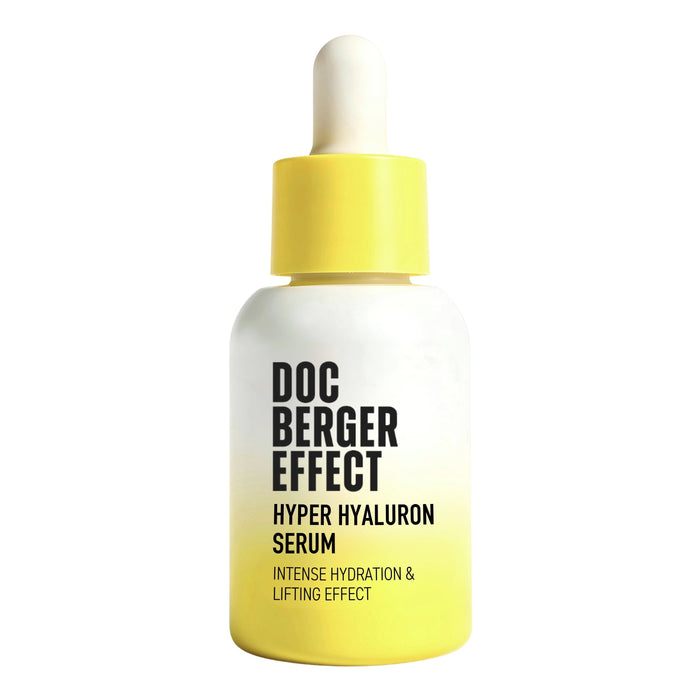
Also in the evening:
1. Retinol for Mature Skin
Retinol is an essential component of anti-aging skincare. It promotes cell renewal and helps reduce wrinkles and fine lines. In addition, an effective retinol serum can minimize pores, reduce dark spots, and accelerate scar healing.
2. Exfoliants for Mature Skin
Exfoliation is important for removing dead skin cells and preparing the skin—especially after age 50—to better absorb active ingredients. Chemical and enzyme peels are particularly well-suited for facial care of mature skin, as they promote cell renewal and refine the skin’s texture. However, caution is advised, as the skin becomes more sensitive after age 50. It is therefore recommended to use these peels judiciously and at an appropriate concentration to treat the skin gently and achieve the best possible results.
3. Nighttime Skincare for People Over 50
A special night cream or moisturizer is essential for providing intensive care to skin over 50 during the nighttime regeneration phase. Products rich in antioxidants, peptides, and moisturizing ingredients such as hyaluronic acid help mature skin renew itself and improve the complexion.
Causes of Mature Skin
Mature skin develops as a result of a combination of various factors. A distinction is made between extrinsic (external) and intrinsic (internal) factors. External factors include UV radiation, environmental pollution, lifestyle, stress, and the skincare products used. Intrinsic factors, on the other hand, include hormonal balance, genetic predisposition, and the natural cellular breakdown that accompanies the aging process.
UV radiation causes skin aging
UV radiation is the number one cause of skin aging. In fact, about 80% of the visible signs of skin aging, such as wrinkles and age spots, are caused by sun exposure. UVA rays penetrate deep into the skin and break down collagen, which is responsible for the skin’s elasticity and firmness. A study by the World Health Organization has shown that people who regularly expose themselves to the sun without protection have a 60% higher risk of premature skin aging. A clear example: People who tan regularly often develop deeper wrinkles as early as their early 40s, while those who consistently protect their skin often maintain firmer, more youthful skin well into their 50s. Therefore, daily sun protection as part of your skincare routine starting at age 50—even on cloudy days or in winter—is essential for maintaining wrinkle-free skin.
Facial Expressions and Skin After Age 50
Daily facial expressions play a major role in the formation of wrinkles, especially around the eyes (crow’s feet) and on the forehead (frown lines). But there are ways to reduce these wrinkles. Wrinkle treatments, such as Botox injections, are a popular method for smoothing out expression lines. They relax the muscles and prevent wrinkles from deepening. For those who prefer a non-invasive option, there are active ingredients like “Biobotox” that have a similar muscle-relaxing effect without requiring an injection. Anti-wrinkle creams and facial serums containing Biobotox or Argireline can be used in skincare products to reduce wrinkles and make the skin appear firmer and younger.
Environmental Factors
In addition to UV radiation, environmental factors also play a crucial role in mature skin. Pollutants such as smog, fine particulate matter, and exhaust fumes lead to oxidative stress, which damages skin cells and weakens the skin’s natural barrier function. An interesting study by the University of Düsseldorf found that people living in urban areas have up to 20% more wrinkles than those living in rural areas, where air pollution is lower. High-quality active ingredient concentrates containing antioxidants, such as vitamins C and E, are therefore a must in facial care for those over 50 to prevent environmental damage and promote wrinkle-free skin.
Stress and Its Effects on Mature Skin
Stress not only has a negative impact on our well-being, but also directly affects our skin. Chronic stress leads to elevated cortisol levels, which accelerate collagen breakdown and make the skin more prone to wrinkles starting at age 50.
Hormones and Their Relationship to Mature Skin
Hormonal balance has a significant impact on the appearance of the skin, especially in women. During pregnancy, the menstrual cycle, and menopause, significant hormonal changes occur that can take a heavy toll on the skin.
- Skin Care During Pregnancy: During pregnancy, increased estrogen levels can result in plumper, more radiant skin. However, pregnant women are also more prone to dark spots, which can be exacerbated by sun exposure. Consistent UV protection is essential in this case. In addition, expectant mothers should opt for gentler skincare products that help restore and hydrate the skin while being free of harmful ingredients.
- Skincare Throughout the Menstrual Cycle: The menstrual cycle also has a significant impact on the skin. In the first half of the cycle, when estrogen levels rise, the skin often looks rosy and smooth. In the second half, however, when progesterone levels rise, the skin is more prone to breakouts and dryness. A flexible skincare routine that is tailored to the skin’s needs throughout the cycle is particularly important here.
- Skin Care During Menopause: During menopause, estrogen levels drop dramatically, which often leads to visibly aging skin—that is, a significant loss of skin elasticity and moisture. Creams and serums rich in hyaluronic acid, retinol, and peptides should be an integral part of the skin care routine for women over 50.