Skin Care During Pregnancy – What You Need to Know

September 18 2024 – Dr. Luise Berger

Skin care during pregnancy plays a particularly important role, as the body undergoes numerous changes during this phase that also affect the skin. In addition to hormonal changes, women often experience increased dryness, itching, or changes in skin pigmentation. Proper skincare not only helps keep the skin healthy and radiant but can also alleviate skin issues such as dark spots or dry skin. It also helps prevent stretch marks and enhances overall well-being.

Since the skin becomes more sensitive during pregnancy, it is crucial to use gentle and safe products that meet the skin’s needs without putting the mother or baby at risk. Certain ingredients, such as retinoids, should be avoided. Instead, gentle skincare with soothing, moisturizing ingredients is ideal.

During pregnancy, hormone levels change drastically, which affects not only the complexion but also the skin’s response to skincare products. Some women develop oily skin and acne, while others struggle with dryness. The risk of pigmentation spots, known as melasma, also increases during this time. Skincare routines should therefore be specifically tailored to these changes to prevent irritation and improve the skin’s appearance.

What skin changes occur during pregnancy?

Hormonal Changes and Their Effects on the Skin

Hormonal fluctuations during pregnancy affect the skin in many ways. In particular, the increase in estrogen and progesterone can cause the skin to either produce more sebum or suddenly become more sensitive. The hormone progesterone can also cause increased blood flow, which results in a rosy complexion but can also lead to dilated blood vessels, known as spider veins. These hormonal changes make it necessary to adjust your skincare routine and opt for gentle, well-tolerated products.

Common skin problems: dark spots, acne, stretch marks, dry skin

Some of the most common skin problems during pregnancy include:

  • Pigment spots (melasma): Increased melanin production can cause dark spots to appear on the face, particularly on the forehead, cheeks, and upper lip.
  • Acne: Hormonal fluctuations can stimulate sebum production and lead to more breakouts.
  • Stretch marks: The rapid growth of the abdomen and breasts often leads to stretch marks, which initially appear reddish and later fade.
  • Dry Skin: Many women suffer from dry skin because their skin’s moisture balance is disrupted. Regular moisturizing is especially important in this case.

Skin care during pregnancy should therefore not only address individual skin needs but also help counteract hormonal changes and the resulting skin problems.

The Best Ingredients for Skincare During Pregnancy

During pregnancy, not only does your skin change, but so do the requirements for skincare products. It’s important to choose ingredients that are both safe and effective to support your skin while avoiding risks to your unborn child. Here are the best ingredients for skincare during pregnancy:

Well-hydrated skin is essential during pregnancy to prevent dryness and tightness. Hyaluronic acid and glycerin are excellent moisturizers that help lock in moisture without weighing down the skin. They promote a plump and healthy complexion and support the skin’s natural regeneration process.

Pregnancy-related skin changes can make the skin more sensitive and prone to irritation. Ingredients such as aloe vera and panthenol have a soothing effect and help relieve irritation. Aloe vera moisturizes and has anti-inflammatory properties, while panthenol regenerates the skin and strengthens its protective barrier.

For expectant mothers with sensitive skin, natural ingredients such as shea butter and squalane are ideal. Shea butter deeply nourishes the skin and improves its elasticity, which is especially important for preventing stretch marks. Squalane, a lipid similar to that found in the skin, strengthens the skin barrier and keeps the skin supple without causing irritation.

While some ingredients are considered safe during pregnancy, there are also active ingredients that are best avoided. These include retinoids, which are found in many anti-aging products, as they can increase the risk of birth defects. Acnacidol™ and Azeloglicina® should also be avoided during pregnancy, as they may be too harsh for the sensitive skin of pregnant women. Instead, it is recommended to opt for gentler alternatives that protect and nourish the skin without posing any risks.

Recommended and Safe Skincare Routine for Pregnant Women

During pregnancy, your skin needs special care to stay healthy and radiant. Here is our recommended routine, which offers both gentle cleansing and targeted care:

Double Cleansing with Foam and Facial Toner

For thorough and gentle cleansing, we recommend our Foam Sensitive or Foam Intense, depending on your skin type. These products gently remove dirt and excess sebum without drying out the skin. Next, use our Tonic Sensitive or Tonic Intense to refine the pores and prepare the skin for the next step in your skincare routine.

Serums for Intensive Care

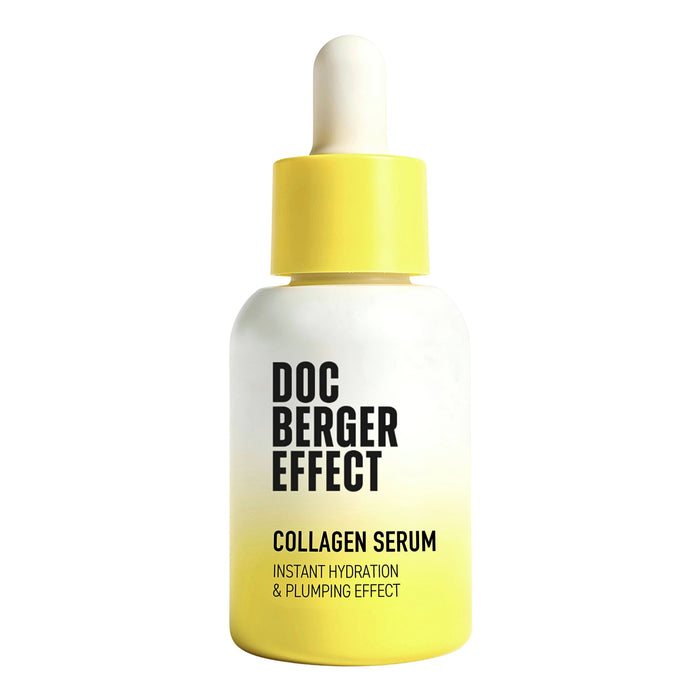
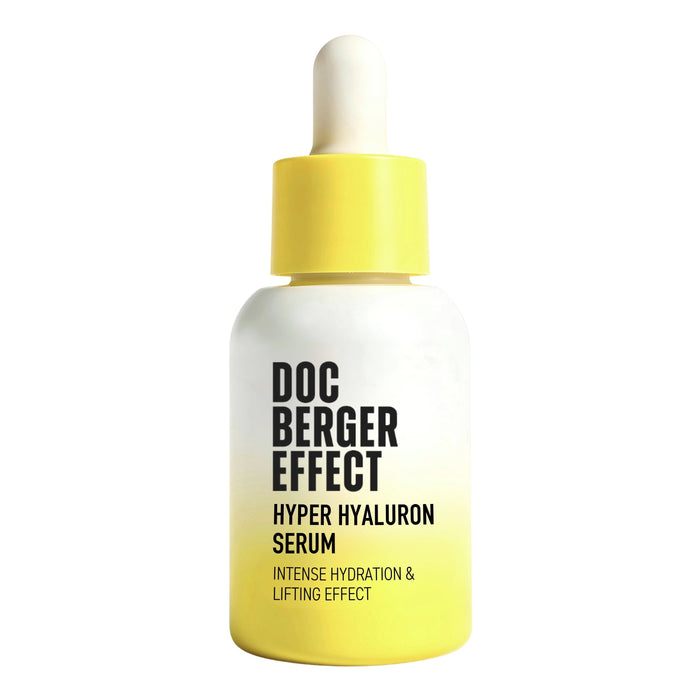
After cleansing, highly effective serums are applied to provide targeted care for the skin:

Moisturizers and Sunscreen

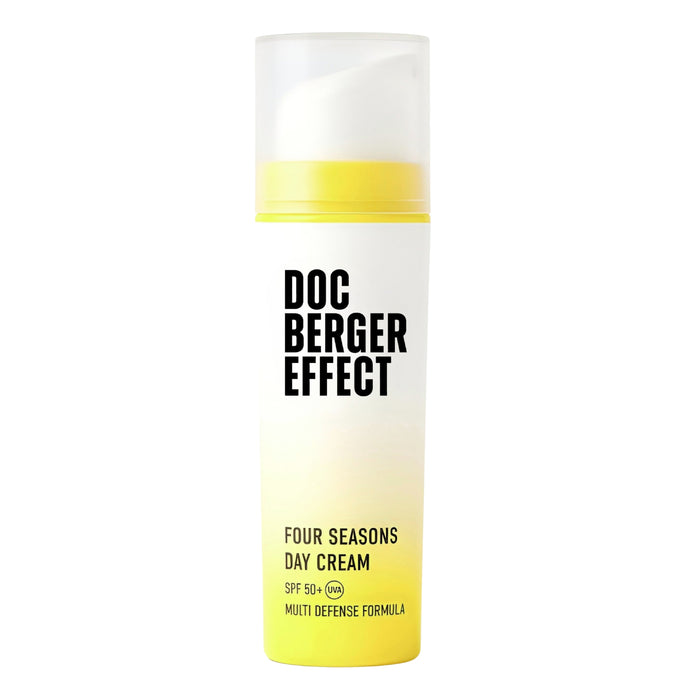
Our Four Seasons Day Cream with SPF 50+ moisturizes the skin and protects it from harmful environmental factors and UV rays. It’s the ideal daytime skincare product during pregnancy, providing comprehensive protection and a fresh complexion.

Nighttime Skincare for Pregnant Women

There are several options available for nighttime skin regeneration, depending on your skin's needs:

Avoid retinol serums and harsh exfoliants

Retinol serums and harsh exfoliants should be avoided during pregnancy, as they can irritate sensitive skin. Instead, we recommend using the gentle and effective alternatives listed above.

Products for treating stretch marks and firming the skin

During pregnancy, rich oils and creams are especially important for promoting skin elasticity and firming the tissue to prevent stretch marks. Our scar care products, such as the Vit C + Spilanthol Serum and the Four Seasons Day Cream, are also excellent for supporting the skin.

  • Vitamin C + Spilanthol Serum: This serum not only helps brighten and firm the skin, but also promotes tissue regeneration, making it ideal for treating stretch marks and scars. Vitamin C acts as a powerful antioxidant that stimulates collagen production and can improve the appearance of scars and stretch marks.
  • Four Seasons Day Cream: This cream not only protects the skin from environmental stressors but also contains moisturizing and firming ingredients that strengthen the skin barrier. It helps maintain the skin’s elasticity, thereby reducing the likelihood of stretch marks. At the same time, it protects the skin from premature aging and promotes a healthy complexion.

Tips for Preventing and Treating Stretch Marks

Effects of Oils and Creams

Stretch marks are caused by the rapid stretching of the skin during pregnancy, especially on the abdomen, breasts, and hips. Rich oils and creams are essential for promoting the skin’s elasticity. Oils such as jojoba and argan oil penetrate deep into the skin and strengthen its natural barrier. Creams with moisturizing ingredients such as hyaluronic acid or shea butter help keep the skin supple and minimize the appearance of stretch marks.

When and How to Treat Stretch Marks

Prevention ideally begins early in pregnancy. Daily use of moisturizing products and gentle massage promote skin elasticity. If stretch marks do appear, they can be treated—especially in the early stages (when they are still reddish or purple)—with special skincare products such as the Vitamin C + Spilanthol Serum. This serum supports collagen production and helps improve the appearance of scars and stretch marks. After pregnancy, treatment with our Retinol Serum is recommended, as retinol is particularly effective for treating scars. Retinol accelerates cell renewal and supports skin regeneration, making it ideal for reducing stretch marks and scars.

The Role of Diet and Lifestyle in Achieving Beautiful Skin During Pregnancy

Nutrition Tips: Nutrients for Healthy Skin

A balanced diet plays a crucial role in the appearance of your skin, especially during pregnancy. The following nutrients are particularly important:

  • Vitamin C: Promotes collagen production and acts as an antioxidant that protects the skin from harmful influences.
  • Omega-3 fatty acids: These essential fatty acids support skin health by strengthening the skin's barrier function and reducing inflammation.
  • Zinc and biotin: These trace elements promote cell renewal and are essential for healthy skin structure.

A diet rich in fruits, vegetables, nuts, and healthy fats can provide the skin with optimal nourishment during pregnancy.

Enough fluids and sleep for a radiant complexion

Staying well-hydrated is essential for keeping the skin sufficiently moisturized and promoting its elasticity. It is recommended to drink at least 2–3 liters of water per day during pregnancy. Getting enough sleep is just as important. At least 7–8 hours per night support the skin’s natural regeneration. During sleep, the stress hormone cortisol is broken down, which helps the skin recover and look fresh.

Stress Management and Its Positive Effects on the Skin

Stress can have a negative effect on the skin, as it promotes inflammation and makes the skin more prone to breakouts and dryness. Especially during pregnancy, it’s important to incorporate relaxation techniques such as yoga, meditation, or simple breathing exercises into your daily routine. These methods not only help reduce stress but also have a positive effect on the appearance of your skin.

Consultation with a doctor or dermatologist

Skincare during pregnancy should always be carefully tailored to minimize potential risks to you and your unborn child. Some ingredients, such as retinoids or certain chemical peels, can have negative effects and should be avoided. Therefore, it’s always advisable to consult a doctor or dermatologist before using new products or ingredients. They can help you find products that are safe and provide optimal care for your skin without taking unnecessary risks.

Conclusion

Skincare during pregnancy plays a crucial role in counteracting hormonal changes and the resulting skin issues, such as stretch marks, dark spots, and dryness. A gentle yet effective skincare routine featuring moisturizing products, nourishing oils, and targeted support from serums and creams helps keep the skin supple and radiant. After pregnancy, products like our retinol serum can be an excellent addition to scar treatment and skin regeneration. In addition, a balanced diet, adequate hydration, sleep, and stress management promote skin health and ensure that you feel comfortable in your own skin. Consulting a doctor or dermatologist before using new products provides added peace of mind, helping to protect both the mother and the unborn child from adverse reactions. With the right care, you can preserve and enhance your skin’s natural beauty during and after pregnancy.

For a limited time only, get 10% off with our