What Helps with Acne? – Effective Solutions and Tips
May 31, 2024 – Dr. Luise Berger
Free shipping on orders of €200 or more
Retinol Named Top Pick in the "taff" TV Test
Start Your Free Skin Analysis
Created by Dr. Berger, a medical specialist
NEW: Platinum Elixir
Made in Germany
Earn valuable loyalty points
Customers frequently searched for:
May 31, 2024 – Dr. Luise Berger
The best treatment for acne depends on your individual skin type and the severity of your acne. A consistent skincare routine using cleansers and skincare products specifically formulated for acne is crucial. Among the most effective active ingredients are salicylic acid, azelaic acid, retinol, and niacinamide. Professional treatments such as chemical peels, microneedling, and laser therapy can also help. A dermatologist can develop a personalized treatment plan tailored to your specific needs.
Acne is caused by a combination of several factors, including excessive sebum production, blockage of hair follicles by dead skin cells, bacterial infections, and inflammation. Hormonal changes—particularly during puberty, menstruation, or pregnancy—genetic predisposition, certain medications, and an unhealthy diet can also play a role.
An imbalance of certain hormones, particularly androgens, can stimulate sebum production and lead to acne. A deficiency in certain nutrients, such as zinc, vitamin A, vitamin D, and omega-3 fatty acids, can also worsen the appearance of the skin. It is important to maintain a balanced diet and, if necessary, take dietary supplements to address these deficiencies.
There are various types of acne, including:
A pimple is a single inflamed skin lesion caused by a clogged pore. Acne, on the other hand, is a skin condition characterized by a variety of lesions, including blackheads, whiteheads, papules, pustules, nodules, and cysts. Acne is often chronic and can persist over a long period of time, whereas a pimple may be a short-term inflammation.
Several factors can make acne worse, including:
Key Points at a Glance:
• Acne is a common skin problem that requires targeted care and patience—for both teenagers and adults.
• Active ingredients such as retinol, salicylic acid, azelaic acid, and vitamin C help reduce inflammation, unclog pores, and improve skin texture.
• A consistent routine that includes cleansing, toner, serums, and sunscreen forms the foundation of acne care.
• Diet, stress management, and consistent UV protection further support the skin on its journey toward a clearer complexion.
Acne is a common skin condition caused by the blockage of hair follicles with sebum and dead skin cells. This blockage leads to blackheads, whiteheads, papules, pustules, nodules, and cysts, which mainly form on the face, chest, back, and shoulders. Acne most commonly occurs during puberty, but it can also affect adults.
The main causes of acne are:
Treating acne requires a consistent skincare routine and can be supported by changes in lifestyle and diet. Here are some general tips and recommendations that can help you improve your skin and reduce acne breakouts.
A structured skincare routine can play an important role in improving the appearance of acne-prone skin.
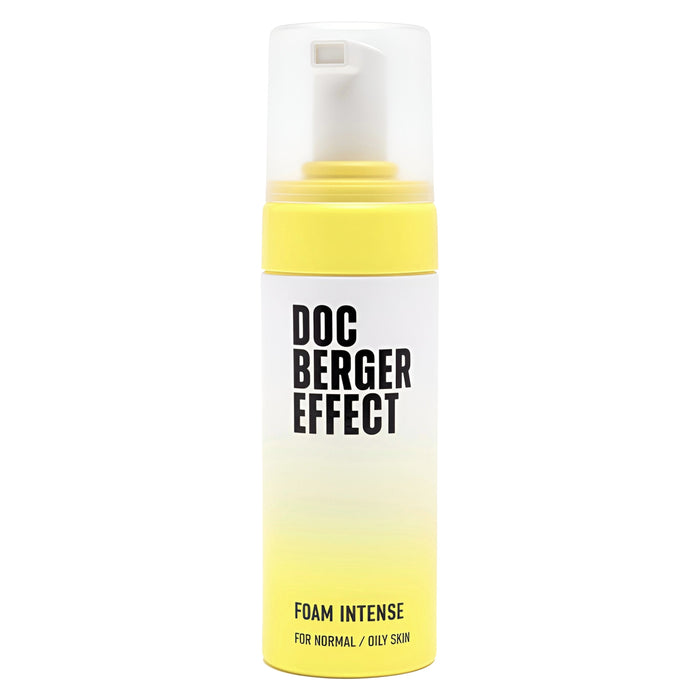
First up is the Foam Intense, a gentle cleansing foam that removes makeup residue, sebum, and dead skin cells without drying out the skin. Fruit acids such as glycolic, salicylic, and lactic acids gently exfoliate and can visibly refine the pores.
In the next step, the Tonic Intense aids in deep cleansing. The high concentration of salicylic acid can help dissolve sebum and dead skin cells—two common causes of blemishes. At the same time, the toner contains soothing ingredients such as aloe vera, panthenol, and licorice root extract, which can reduce redness and strengthen the skin barrier.
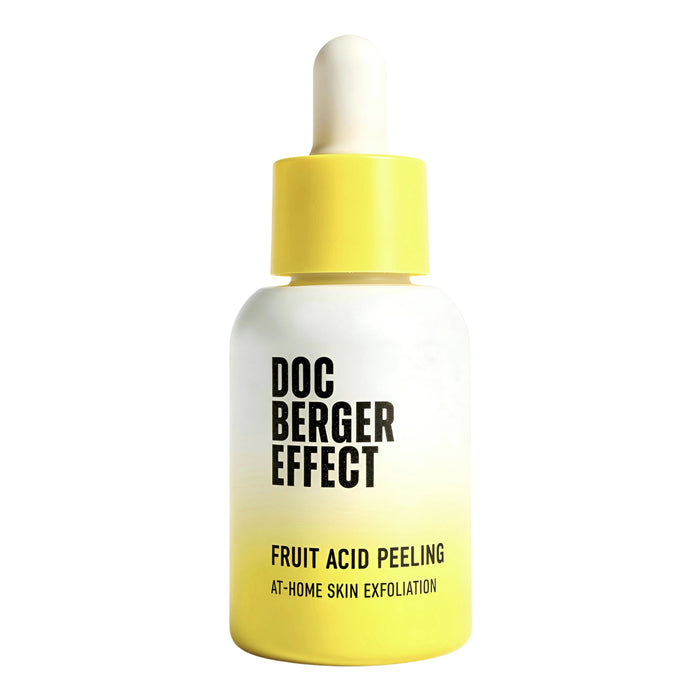
You can do this Fruit Acid Peeling can be used as a supplementary treatment. It supports cell renewal, helps gently remove dead skin cells, and can visibly smooth the skin’s texture—even in cases of uneven skin tone or visible blemishes.
The Purifying Power Serum was developed to counteract keratinization disorders and regulate inflammatory skin conditions. Its lightweight texture absorbs quickly and can help restore the skin’s balance at the microbial level.
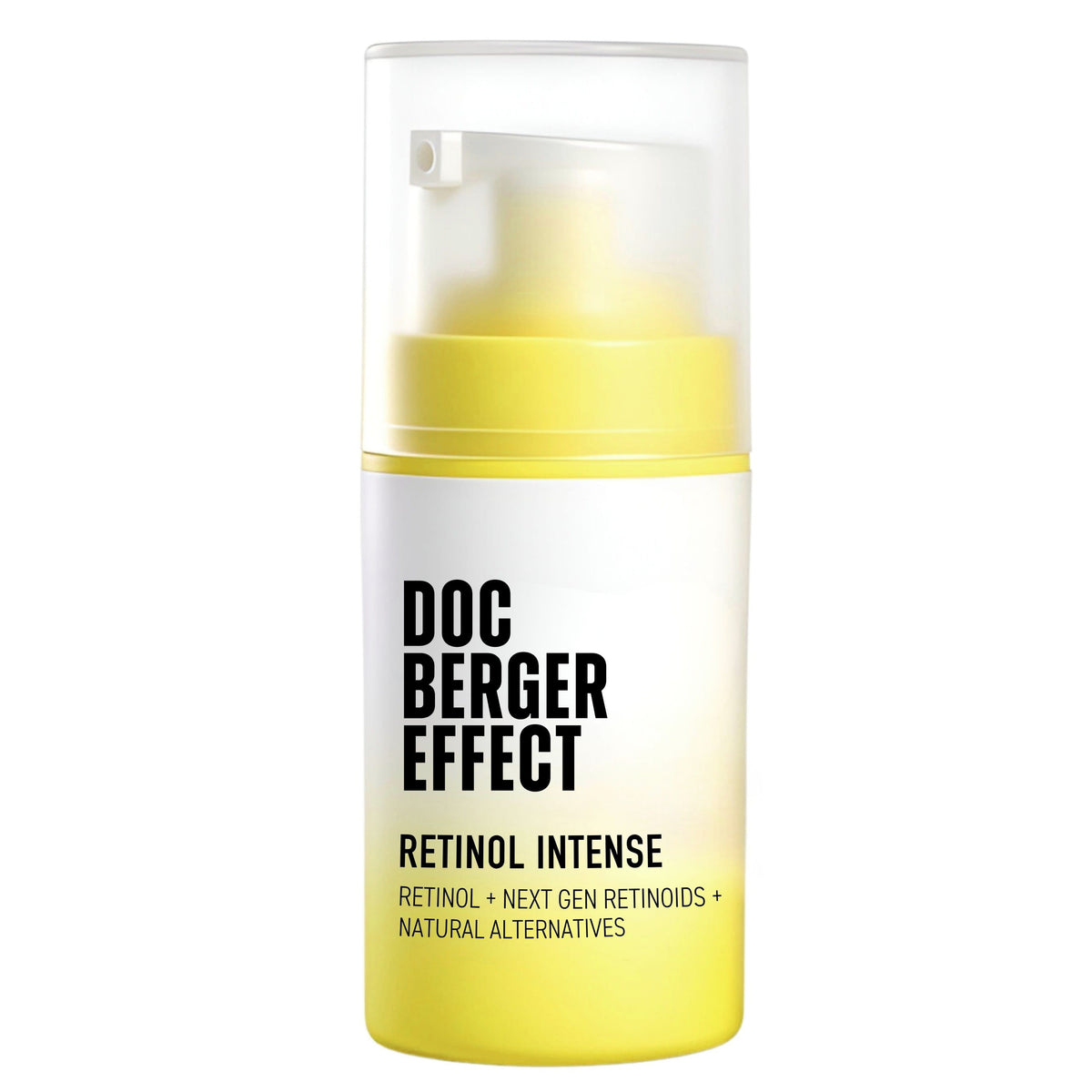
As the final step in your evening skincare routine, we recommend a retinol serum. It stimulates cell renewal and is often used for skin types prone to blemishes, hyperpigmentation, or acne scars. At the same time, it can help smooth out fine lines and make the skin texture appear more even.
When used in combination, these products can provide a solid foundation for a skincare routine that specifically addresses the needs of blemish-prone skin —without overburdening it, but with the potential to support the skin’s natural regeneration process.
In addition to a thorough skincare routine, lifestyle and diet also play an important role in treating acne.
Stress Relief: Stress can negatively affect skin health and worsen acne. Techniques such as meditation, yoga, or taking regular breaks throughout the day can help reduce stress and, in turn, improve the appearance of your skin. Regular relaxation and stress-reducing activities are important because stress can increase the production of hormones such as cortisol, which in turn can boost sebum production and contribute to acne breakouts.
Get Enough Sleep: Good sleep is important for skin regeneration. During sleep, the body activates repair processes that also affect the skin. Lack of sleep can lead to hormonal imbalances, which in turn can worsen acne. Therefore, make sure you get enough sleep and that the quality of your sleep is good to give your body the rest it needs. Try to establish a regular sleep routine and keep your bedroom as quiet and dark as possible.
Regular exercise: Exercise promotes blood circulation and helps flush toxins from the body. Regular exercise can therefore contribute to healthier skin. Physical activities such as running, swimming, or yoga can help detoxify the body and improve overall well-being. However, be sure to thoroughly cleanse your skin after exercising to remove sweat and dirt that could clog your pores.
Diet: A balanced diet rich in antioxidants, vitamins, and minerals can improve the appearance of the skin and reduce acne breakouts. Antioxidants such as vitamins C and E, found in many fruits and vegetables, can help protect the skin from free radicals. Omega-3 fatty acids, found in fish, flaxseed, and walnuts, have anti-inflammatory properties that can reduce acne breakouts. Avoid highly processed foods and those high in sugar or dairy, as these can worsen acne. Instead, focus on fresh fruits, vegetables, whole grains, and healthy fats. Also, drink plenty of water to hydrate your skin from the inside out and flush out toxins.
Avoid smoking and excessive alcohol consumption: Smoking and excessive alcohol consumption can take a heavy toll on the skin and lead to acne. Smoking reduces blood flow to the skin and can cause clogged pores and increased inflammation. Alcohol can dehydrate the skin and impair liver function, which makes it harder for the body to detoxify and can contribute to acne.
By following these general tips and recommendations, you can lay a solid foundation for effective acne treatment.
Choosing the right active ingredients is crucial for effectively treating acne. Different ingredients have different mechanisms of action and may vary depending on skin type and the severity of the acne. Here are some of the most well-known and effective active ingredients that can help treat acne:
Salicylic acid is a beta hydroxy acid (BHA) that is commonly used in acne treatments. It helps cleanse pores and remove dead skin cells, thereby reducing the formation of blackheads and pimples. Salicylic acid has anti-inflammatory properties that can soothe redness and swelling. Products containing salicylic acid are particularly well-suited for oily and acne-prone skin.
Niacinamide, also known as vitamin B3, is a versatile active ingredient that can be very effective in treating acne. It has anti-inflammatory properties and helps reduce redness and swelling. Niacinamide supports the skin barrier, regulates sebum production, and can visibly minimize the appearance of pores. It is found in many skincare products and is well-suited for all skin types, including sensitive skin.
Retinol, a form of vitamin A, is known for its ability to promote skin renewal and unclog pores. It helps improve skin texture and reduce the appearance of acne scars. When used regularly, retinol can make the skin smoother and firmer, and it is particularly effective in treating acne and fine lines.
Azeloglicina® combines the benefits of azelaic acid and glycolic acid. This active ingredient has anti-inflammatory properties, reduces sebum production, and helps smooth and clarify the skin. Azeloglicina® is particularly effective at reducing redness and improving the overall appearance of acne-prone skin.
Acnacidol™ is a bioactive ingredient specifically developed to regulate sebum production and restore balance to the skin’s microflora. It has antibacterial and anti-inflammatory properties, which help reduce acne breakouts and improve the appearance of the skin. Acnacidol™ is well-suited for oily and acne-prone skin.
Neutrazen™ is a biomimetic peptide designed to reduce inflammation and soothe the skin. It helps alleviate redness and irritation that can be caused by acne. Neutrazen™ strengthens the skin barrier and supports the healing of acne symptoms.
The ECM™ Moduline Peptide is an innovative active ingredient that promotes skin regeneration and stimulates collagen production. It helps improve skin texture and reduce acne scars. By promoting cell regeneration, it helps improve the overall appearance of the skin.
Ichthyol®, also known as shale oil, has anti-inflammatory, antibacterial, and antifungal properties. It is commonly used in the treatment of acne to reduce inflammation and promote the healing of skin blemishes. Ichthyol® is particularly effective in treating inflammatory acne.
Ictasol is an active ingredient with anti-inflammatory and antimicrobial properties. It helps break down dead skin cells and regulate sebum production. When used regularly, Ictasol can significantly reduce the occurrence of acne and improve the appearance of the skin.
Alpha-hydroxy acids (AHAs), such as glycolic acid, lactic acid, and citric acid, are known for their exfoliating properties. They help remove dead skin cells, unclog pores, and improve skin texture. AHAs can make the skin smoother and reduce the appearance of acne scars. They are particularly beneficial for people with dry or sensitive skin, as they moisturize and strengthen the skin barrier.
Panthenol, also known as provitamin B5, has soothing and healing properties. It helps hydrate the skin, relieve irritation, and promote the healing of skin lesions. Panthenol supports skin regeneration and can help improve the appearance of acne scars.
Aloe vera is a natural active ingredient known for its moisturizing and anti-inflammatory properties. It helps soothe the skin, reduce redness and swelling, and promote the healing of skin blemishes. Aloe vera can also help strengthen the skin barrier and provide the skin with essential nutrients.
Retinol, a form of vitamin A, is a powerful ingredient in skincare that can be particularly effective in treating acne. It works by promoting cell renewal, cleansing the pores, and stimulating collagen production. In this section, we will take a detailed look at how retinol works, its uses and benefits, as well as possible side effects and precautions.
Retinol accelerates cell turnover and helps remove dead skin cells that can clog pores. By promoting cell renewal, retinol prevents dead cells from accumulating in the pores, which can lead to the formation of blackheads and pimples. In addition, retinol stimulates the production of collagen, a protein that keeps the skin firm and elastic. This can help smooth the skin’s texture and reduce the appearance of acne scars.
Using retinol requires patience and a gradual introduction so that the skin can get used to this powerful ingredient. Here are some important tips for use, as well as the benefits of retinol in treating acne:
Although retinol offers many benefits, it can also cause side effects, especially when you first start using it. Here are some possible side effects and precautions:
Side effects:
Precautions:
By carefully and gradually incorporating retinol into your skincare routine, you can reap the many benefits of this powerful active ingredient.
Acne scars can be just as distressing as acne itself. They result from the healing process following severe acne breakouts and can significantly affect the appearance of the skin. Fortunately, there are various treatment options that can help improve the appearance of acne scars.
There are different types of acne scars, each of which requires a different treatment approach:
Choosing the right treatment depends on the type and severity of the acne scars. Here are some of the most effective methods for treating acne scars:
Exfoliants can help remove the outermost layer of skin, promote skin renewal, and reduce scarring. Our Fruit Acid Peel is particularly effective in treating acne scars.
By lowering the pH level, it removes dead skin cells from the stratum corneum, resulting in a rosier and fresher complexion. At the same time, it stimulates collagen and elastin synthesis, so that with regular use, pores can be refined, age spots lightened, and fine lines reduced. To combat blemishes, the salicylic acid in the formula dissolves sebum in the pores and also has anti-inflammatory properties. Panthenol, niacinamide, and urea soothe your skin and protect it from irritation and harmful environmental factors. In this way, the exfoliator perfectly prepares your skin to absorb the active ingredients from the serums that are an essential part of any high-quality skincare routine.
Advantages:
Usage:
Microneedling is a minimally invasive procedure in which tiny needles are inserted into the skin to stimulate collagen production and improve skin texture. This procedure can effectively reduce the depth of atrophic scars and make the skin’s surface smoother and more even.
Advantages:
Usage:
Laser therapy is an effective method for treating acne scars, using targeted beams of light to improve skin texture. There are various types of lasers, including ablative and non-ablative lasers, which can be selected based on the type of scars and skin type.
Advantages:
Usage:
By combining these treatments in the right way, you can significantly improve the appearance of your acne scars. It’s important to consult a dermatologist to develop the best treatment strategy for your skin type and your skin’s specific needs.
Acne is a common skin condition that affects many people and can significantly impact self-confidence. A targeted and consistent skincare routine is essential for effectively treating acne and improving the appearance of your skin. By regularly using specially formulated products, you can cleanse your skin, deeply purify it, and promote collagen production.
Active ingredients such as salicylic acid, niacinamide, Azeloglicina®, Acnacidol™, Neutrazen™, ECM™ Moduline Peptide, and Ictasol offer targeted solutions for combating acne and improving skin health. Retinol, in particular, has proven to be a powerful active ingredient that promotes skin renewal, cleanses pores, and reduces the appearance of acne scars.
In addition to skincare, lifestyle and diet also play an important role. Stress relief, adequate sleep, regular exercise, and a balanced diet contribute to overall health and, consequently, to skin health.
Treating acne scars requires patience and the right combination of treatment options—such as chemical peels, microneedling, and laser therapy—to visibly improve the appearance of the skin.
By following these comprehensive tips and recommendations and incorporating the right products into your daily routine, you can reduce acne breakouts, improve skin health, and minimize the appearance of acne scars. Remember that every skin type is unique, and it’s important to find the treatment approaches that work best for you. A dermatologist can help you develop the optimal strategy for your specific skin needs.
Deliver Instant Hydration, Reduce Puffiness & Smooth Fine Lines
Intensive cleansing foam with a gentle exfoliating effect—for normal, oily, or blemish-prone skin
Exclusive collagen night cream with a light texture and innovative anti-aging benefits—for skin at its best
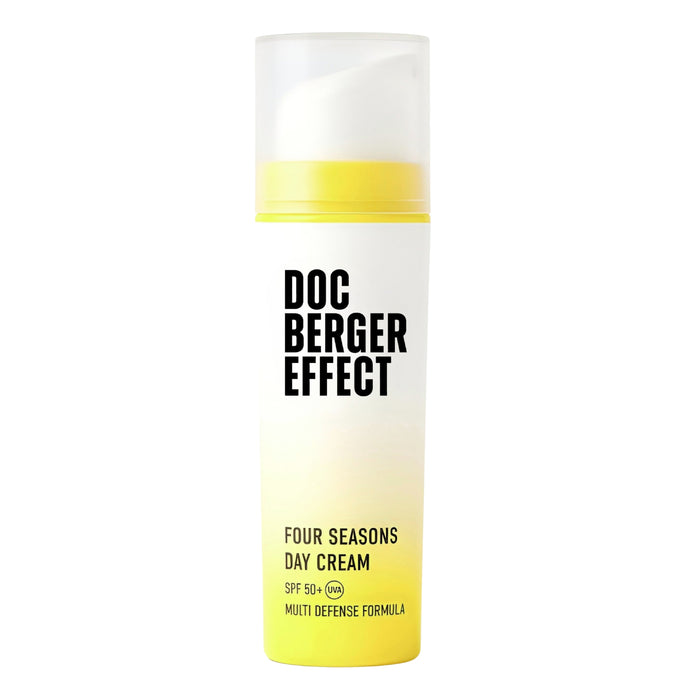
Day cream with SPF 50+ and enhanced protection against blue light and infrared rays
Gentle retinol serum with added bakuchiol—ideal for those new to retinol
High-potency retinol serum with added retinoids and bakuchiol—ideal for skin accustomed to retinol
Clarifying Night Serum for Blemishes and Dark Spots
Highly Concentrated Vitamin C Serum with Spilanthol ("Biobotox")
High-Concentration Hyaluronic Acid Serum with a Peptide Lifting Effect
August 7, 2026 – Dr. Luise Berger
Serums have long been among the most popular skincare products—and for good reason. They provide the skin with highly concentrated active ingredients such as hyaluronic acid, vitamin C, or niacinamide. Many people prefer a light, fast-absorbing texture that doesn’t leave a sticky feeling and works perfectly as a base under makeup. But not every serum absorbs equally well—the formulation...
Read moreJuly 29, 2026 – Dr. Luise Berger
Anyone who’s been following the third season of “Kaulitz & Kaulitz” closely may have noticed a small beauty detail: Both Bill and Tom Kaulitz are seen wearing hydrogel eye patches on several occasions. Whether they’re preparing for Georg Listing and Susanne Knipsel’s wedding in the South of France or relaxing at home in Los Angeles—the eye patches seem to be a recurring part of their shared...
Read moreJune 30, 2026 – Dr. Luise Berger
For over 30 years, Katja Burkard has been one of Germany’s most recognizable TV personalities. As the host of RTL Punkt 12, she guides millions of viewers through their lunchtime every day—and captivates them not only with her friendly and professional demeanor, but also with her fresh, natural appearance.
Read moreDiscover more
Newsletter
Join our skincare community and never miss any updates!
Currency