Age Spots: Identifying the Causes and Treating Them Effectively
August 19, 2025 – Dr. Luise Berger
Free shipping on orders of €200 or more
Retinol Named Top Pick in the "taff" TV Test
Start Your Free Skin Analysis
Created by Dr. Berger, a medical specialist
NEW: Platinum Elixir
Made in Germany
Earn valuable loyalty points
Customers frequently searched for:


August 19, 2025 – Dr. Luise Berger
Age spots generally do not disappear on their own. They are permanent skin changes caused by long-term sun exposure and the natural aging process. Without specific treatment, they will remain, though their intensity may change over time.
Yes, there are different types of age spots, which can vary in size, shape, and color. The most common ones are:
Solar lentigines: These are usually flat, oval, or round and brown in color. They often appear on areas exposed to the sun, such as the face, hands, and arms.
Seborrheic keratoses: These often appear as raised, wart-like spots and can range in color from dark brown to black.
Stress does not directly cause age spots, as these are primarily caused by UV radiation and genetic factors. However, chronic stress can accelerate the skin’s aging process and thus indirectly contribute to the earlier development of age spots. Stress can also weaken the immune system, making the skin less effective at protecting itself against UV damage.
Age spots are not, in and of themselves, signs of skin cancer. They are usually harmless. However, it is important to closely monitor any changes in your skin. If age spots change color, size, or shape, develop irregular edges, or start to bleed, you should consult a dermatologist to rule out skin cancer.
Key Points at a Glance:
Age spots are primarily caused by UV radiation and often appear on areas of the body exposed to the sun, such as the face and hands.
Genetic predisposition and skin type influence how susceptible the skin is to pigmentation changes.
Home remedies such as lemon juice or apple cider vinegar have not been scientifically proven and may irritate the skin or make it more sensitive to light.
Professional treatments such as laser therapy, chemical peels, IPL, or microdermabrasion offer targeted solutions for existing age spots.
Prevention is key: Daily UV protection, an antioxidant-rich diet, a healthy lifestyle, and a mindful skincare routine are the best ways to prevent pigmentation disorders in the long term.
Targeted active-ingredient skincare as an alternative to invasive methods: Vitamin C, retinol, and fruit acids help achieve visibly more even-toned skin—effectively and with long-lasting results.
Age spots, also known as lentigines seniles or liver spots, are flat, brown, gray, or black spots that develop on the skin over time. They vary in size and shape and often appear on areas of the body that have been exposed to the sun over the years, such as the face, hands, shoulders, and arms. These spots are generally harmless and result primarily from natural skin aging and long-term UV exposure, which leads to an uneven distribution of melanin in the skin.

What do age spots look like? This is a question many people ask themselves when they first notice changes in skin pigmentation. Age spots are clearly defined areas of skin discoloration that can be recognized by their typical characteristics.
Age spots are flat, roundish to oval, and do not stand out from the skin. They appear even and smooth, with no raised texture.
The color palette ranges from light beige through various shades of brown to dark brown. Some spots appear evenly colored, while others are slightly irregular in color.
Age spots can be as small as a few millimeters, but they can also grow to several centimeters in size. They occur particularly frequently on areas exposed to the sun, such as the face, hands, forearms, and décolletage.
Age spots should always be distinguished from other skin changes. While freckles usually appear at a young age and become more pronounced with sun exposure, age spots typically develop only in middle to older age and are permanent. Moles, on the other hand, may be present at birth or develop early in life; they are often raised and vary more in color, whereas age spots are flat and uniformly colored.
Unlike melanoma, a form of skin cancer, age spots are considered harmless. Nevertheless, it is advisable to see a dermatologist if you notice any changes, such as a rapid increase in size, noticeable differences in color, or irregular edges. This allows serious skin conditions to be detected and treated early.

The most common cause of age spots is chronic UV exposure. Sunlight—and UVA and UVB radiation in particular—stimulates melanin production. Over time, this pigment can accumulate unevenly in the skin, leading to permanently visible spots. Areas of the body that are regularly exposed to the sun—such as the face, hands, forearms, and décolletage—are particularly affected.
Genetic predisposition also plays a key role. People with fair skin are particularly sensitive to sun damage and are therefore more prone to pigmentation disorders. However, age spots can also form in people with darker skin—the individual’s skin sensitivity to UV light and oxidative stress is the deciding factor.
In short: Age spots are not so much a direct result of biological aging as they are a visible consequence of UV exposure, skin type, and genetic factors.
The most effective protection starts with consistent sun protection. A day cream with a high sun protection factor (ideally SPF 30 or higher) should be part of your daily routine—regardless of the weather or season. Modern formulations, such as DOC BERGER EFFECT’s Four Seasons Day Cream , offer not only UV protection but also protection against blue light and environmental factors that place additional stress on the skin.
Physical measures such as wearing hats, sunglasses, and long-sleeved clothing—especially around noon—also help protect the skin from pigment damage over the long term.
In addition to external protection, a healthy lifestyle plays a key role in prevention. A diet rich in antioxidants—such as those found in berries, green vegetables, nuts, and high-quality vegetable oils—can reduce oxidative stress in cells. Staying adequately hydrated keeps the skin plump and supports its natural barrier function.
Avoiding nicotine, excessive alcohol, and chronic stress not only protects your heart and circulatory system but also the body’s largest organ: the skin. Regular sleep, exercise in the fresh air, and mindful skincare perfectly complement this preventive approach.

Time and again, recommendations for home remedies such as lemon juice, apple cider vinegar, or aloe vera circulate when it comes to treating age spots. But how effective are these methods really?
Lemon juice is often used for its purported skin-lightening effects. The same applies to apple cider vinegar, which is said to reduce pigmentation changes due to its natural acidity. Aloe vera is also frequently mentioned—primarily because of its soothing properties. But a closer look reveals that none of these home remedies has a scientifically proven effect against age spots. Their use is based primarily on anecdotal reports and internet myths—not on dermatological evidence.
Furthermore, many of these remedies carry significant risks: citric acid and apple cider vinegar can cause irritation in people with sensitive skin and increase photosensitivity—an effect that is particularly counterproductive when exposed to UV rays. Allergic reactions cannot be ruled out either.
So if you’re looking for lasting results, you should rely on professional skincare and targeted active ingredients. Instead of relying on short-term DIY solutions, it’s worth investing in the long-term health and quality of your skin— #skinvestment instead of skin experiments.
When it comes to visible, long-lasting results, professional treatments are often the only way to go. Today, age spots can be treated specifically and effectively using modern, scientifically proven methods—tailored to each individual’s skin type, the severity of the condition, and personal needs.
Laser therapy is one of the most effective methods. It uses targeted light energy to destroy hyperpigmented cells—without damaging the surrounding tissue. The result is a more even, clearer complexion.
Chemical peels use selected acids that exfoliate the upper layers of the skin, thereby stimulating cell renewal. Depending on the concentration, these treatments can visibly reduce both superficial and deeper pigmentation issues.
Microdermabrasion is a gentle yet effective method: It mechanically removes dead skin cells, which refines the skin's texture and can gradually reduce pigmentation changes.
Intense Pulsed Light (IPL) therapy is also a proven option. Targeted light pulses selectively lighten pigment spots, giving the skin a more even appearance overall.
In certain cases, a dermatological evaluation is advisable—especially if age spots change in shape, color, or size. In such cases, it is important to rule out skin cancer.
Even if over-the-counter products or skincare routines don’t produce noticeable results, a visit to a dermatologist can help develop personalized treatment strategies. Professional skin analyses make it possible to pinpoint the causes—and tailor your skincare routine accordingly.

Anyone who struggles with pigmentation spots, an uneven complexion, or UV-induced discoloration knows that targeted skincare is essential for restoring the skin’s radiance. At DOC BERGER EFFECT, we rely on a highly effective combination of antioxidants, active ingredients, and gentle exfoliation—perfectly balanced to promote clear, even skin.
In the morning, the routine begins with the Vitamin C + Spilanthol Serum , which protects the skin from free radicals, boosts collagen production, and helps minimize pigmentation changes over the long term. Combined with the Four Seasons Day Cream , it creates an effective protective shield against environmental stress, UV radiation, and blue light—factors that can further contribute to the development of dark spots.
In the evening, we recommend a retinol serumthat promotes natural cell renewal and visibly reduces existing skin discoloration. The velvety texture absorbs quickly and supports overnight regeneration—for a smoother, more radiant complexion the next morning.
1–2 times a week, the Fruit Acid Peel is added to your routine. The fruit acid peel gently removes dead skin cells, refines the skin’s texture, and enhances the absorption of subsequent skincare products. This regular exfoliation can bring about visible improvements, especially for pigmentation spots and dull skin.
The result is a well-thought-out skincare routine that not only brightens but also protects, renews, and ensures a harmonious complexion over the long term—based on dermatological expertise and luxurious formulations.

Age spots are a common sign of skin aging that affects many people. They are caused primarily by long-term sun exposure and genetic factors. While age spots are generally harmless, they can be bothersome to some people for cosmetic reasons.
Prevention through consistent sun protection and a healthy lifestyle is the key to minimizing the appearance of age spots. For those who already have age spots, there are various treatment options available. These range from specialized skincare products to professional cosmetic treatments.
DOC BERGER EFFECT is a line of products specifically designed to treat age spots and improve the skin’s appearance. These products are an excellent addition to your daily skincare routine and can help promote a more even and youthful complexion. Overall, it is important to tailor your skincare routine to your individual skin type and the specific needs of your skin. With the right care and prevention, age spots can be effectively treated and the skin’s overall health improved.

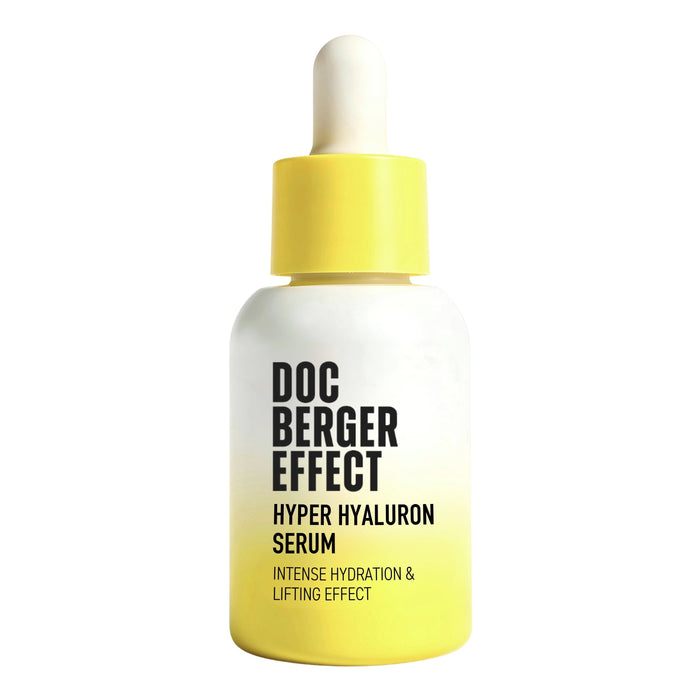
Deliver Instant Hydration, Reduce Puffiness & Smooth Fine Lines


Soothing Facial Toner with Panthenol – for Sensitive or Dry Skin


Clarifying Facial Toner with Salicylic Acid – for normal, oily, or blemish-prone skin
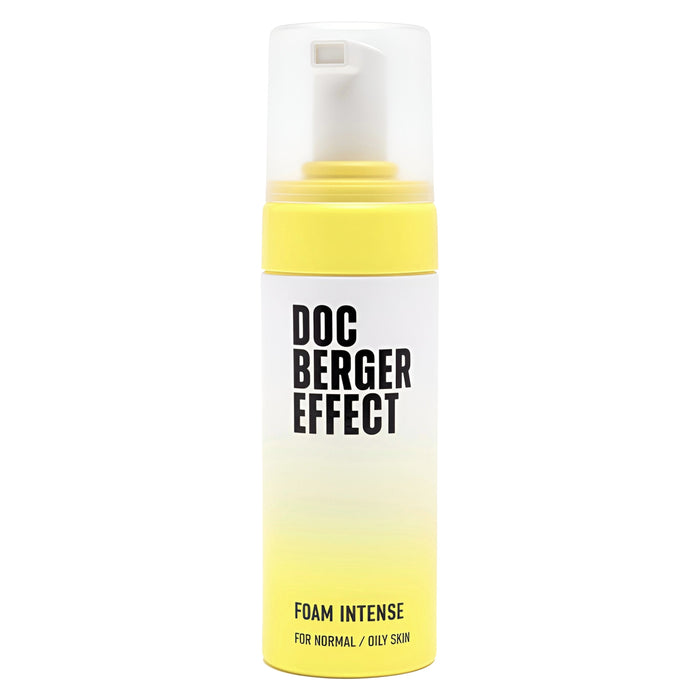

Intensive cleansing foam with a gentle exfoliating effect—for normal, oily, or blemish-prone skin


Exclusive collagen night cream with a light texture and innovative anti-aging benefits—for skin at its best


Refreshing eye serum that improves the appearance of puffiness and fine lines
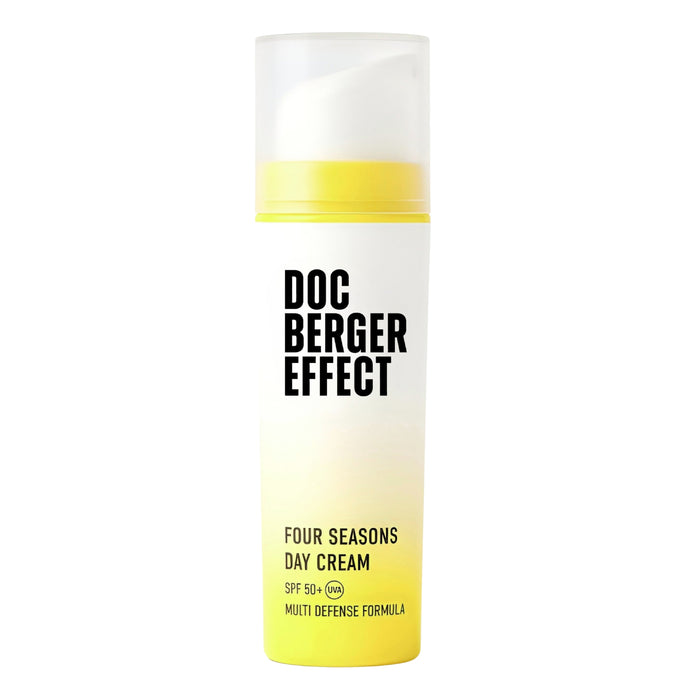

Day cream with SPF 50+ and enhanced protection against blue light and infrared rays
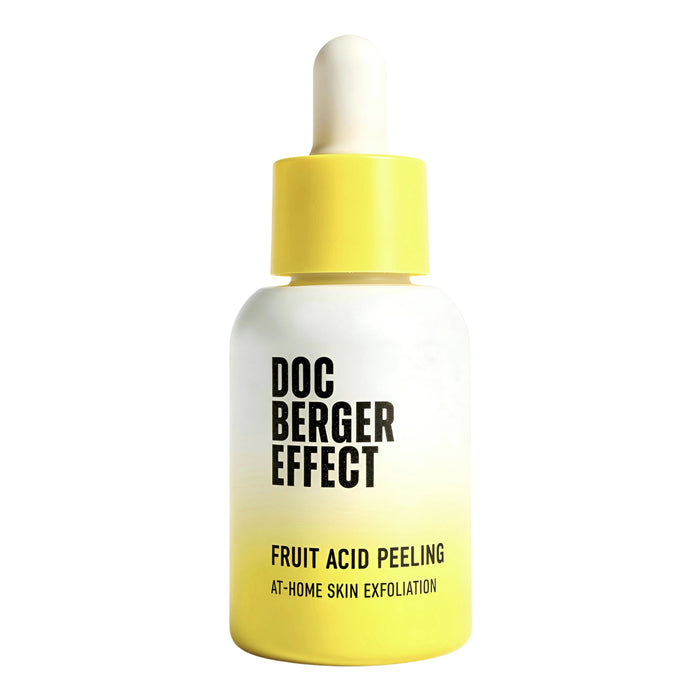

Intensive fruit acid peel that removes dead skin cells and refines the skin's texture—for non-sensitive skin


Gentle retinol serum with added bakuchiol—ideal for those new to retinol
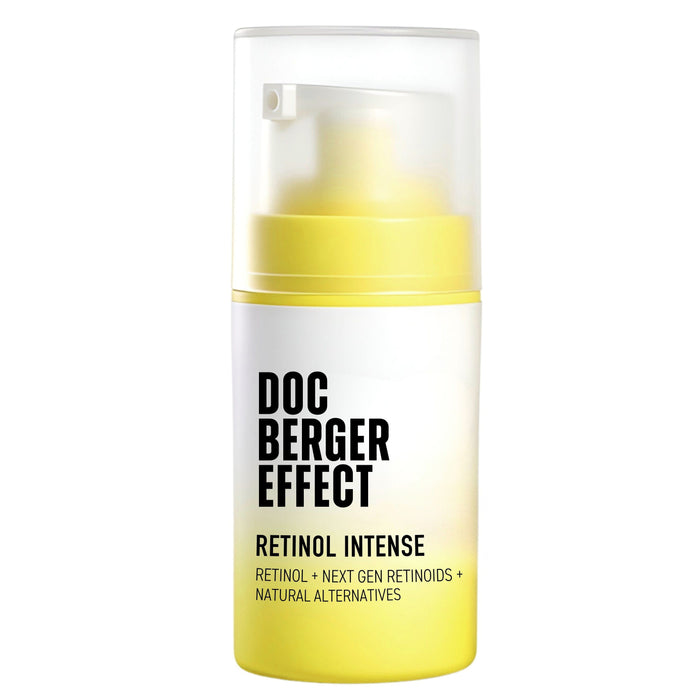

High-potency retinol serum with added retinoids and bakuchiol—ideal for skin accustomed to retinol


High-End Hydrating Serum with Platinum and Peptide/Exosome Technology for Skin Longevity
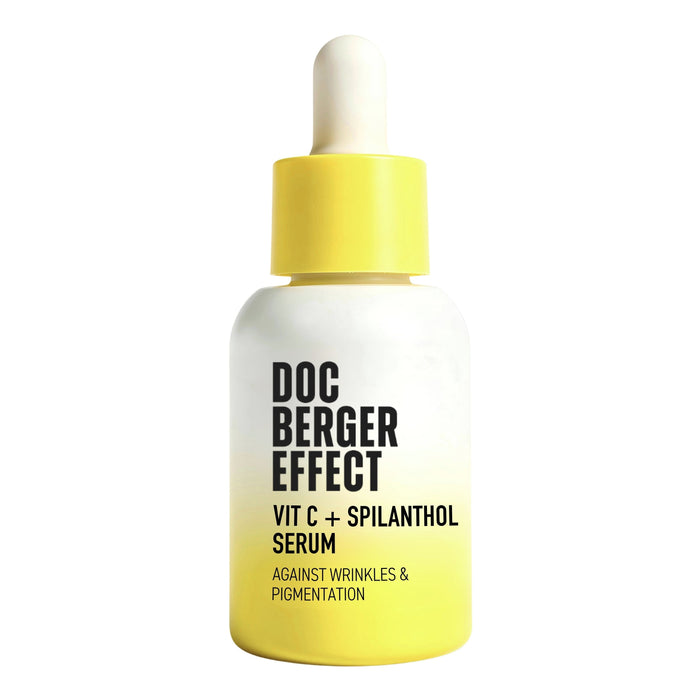

Highly Concentrated Vitamin C Serum with Spilanthol ("Biobotox")

August 24, 2026 – Dr. Luise Berger
Dr. Luise Berger (“Doc Berger”) is a board-certified specialist in plastic and aesthetic surgery, the founder of a renowned practice in Munich, and the developer of the DOC BERGER EFFECT line of active-ingredient cosmetics. For more than 20 years, she has been studying the female body, aesthetics, skin, the aging process, and how to preserve natural beauty for as long as possible.
Read more
August 24, 2026 – Dr. Luise Berger
You can purchase DOC BERGER EFFECT online as well as in-store in Munich, Berlin, and Hamburg. This highly effective skincare brand is available in the official online store, directly from Dr. Luise Berger, and at select exclusive beauty retailers.
Read more
August 7, 2026 – Dr. Luise Berger
Serums have long been among the most popular skincare products—and for good reason. They provide the skin with highly concentrated active ingredients such as hyaluronic acid, vitamin C, or niacinamide. Many people prefer a light, fast-absorbing texture that doesn’t leave a sticky feeling and works perfectly as a base under makeup. But not every serum absorbs equally well—the formulation...
Read moreDiscover more
Newsletter
Join our skincare community and never miss any updates!
Currency
Get 10% off your first order
Subscribe to our newsletter and get access to insider information from Dr. Luise Berger and exclusive benefits.
By entering my email address, I agree to receive emails from Effect & Result GmbH and confirm that I have read the privacy policy.