


Which cream is really effective against age spots?
September 05 2025 – Dr. Luise Berger
Free shipping on orders of €200 or more
Retinol Named Top Pick in the "taff" TV Test
Start Your Free Skin Analysis
Created by Dr. Berger, a medical specialist
NEW: Platinum Elixir
Made in Germany
Earn valuable loyalty points
Customers frequently searched for:


September 05 2025 – Dr. Luise Berger
Key Points at a Glance:
• Age spots are caused by UV radiation, blue light, and environmental stress.
• They primarily appear on the face, hands, and décolletage.
• Vitamin C, niacinamide, acetyl glucosamine, retinol, and fruit acids are effective against pigment spots.
• Medical Skincare by DOC BERGER EFFECT delivers highly concentrated active ingredients directly into the skin.
• Visible results after 6–8 weeks; daily sun protection (SPF 30+) is essential.
Age spots—also known as solar lentigines —are among the most common signs of light-induced skin aging. They tend to appear more frequently after age 40, but can also develop earlier if the skin has been exposed to UV radiation without protection over many years. These are clearly defined, mostly brownish discolorations of the skin caused by an excessive accumulation of melanin—often triggered by sunlight, but also by blue light or environmental stress. Typical locations include the face, hands, décolletage, and forearms—that is, areas frequently exposed to the sun.
Unlike moles, age spots are not raised and are generally harmless, but they are often cosmetically bothersome because they make the skin appear uneven and older.


Not every cream works the same way. The key is the formulation—and whether the active ingredients penetrate into the deeper layers of the skin. The following are particularly effective:
If you're looking for a cream to treat age spots that delivers visible results, you should opt for highly concentrated medical skincare—like DOC BERGER EFFECT. Our products combine scientifically proven ingredients with skin-identical lipids that ensure the active ingredients reach exactly where they're needed.
Highly recommended:
With daily use of high-quality skincare products containing active ingredients, the first results may be visible after about 6–8 weeks. Consistent use for at least 3 months is recommended. Important: Without daily sunscreen (preferably SPF 50+), age spots will quickly return.

A truly effective cream for age spots must contain not only skin-lightening ingredients but also cell-regenerating active ingredients—in optimal concentrations and with optimal stability. DOC BERGER EFFECT offers medically backed skincare products that are precisely tailored to these needs.
Discover now: Serums and creams for treating dark spots
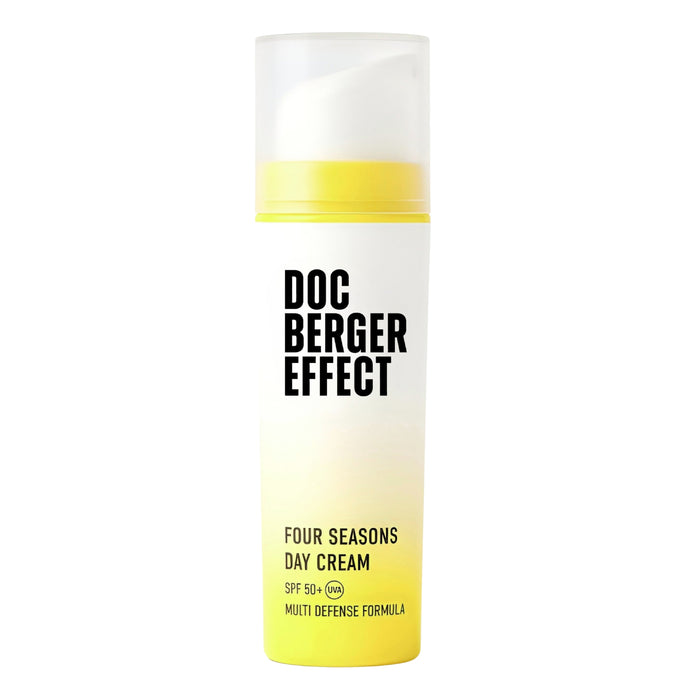

Day cream with SPF 50+ and enhanced protection against blue light and infrared rays
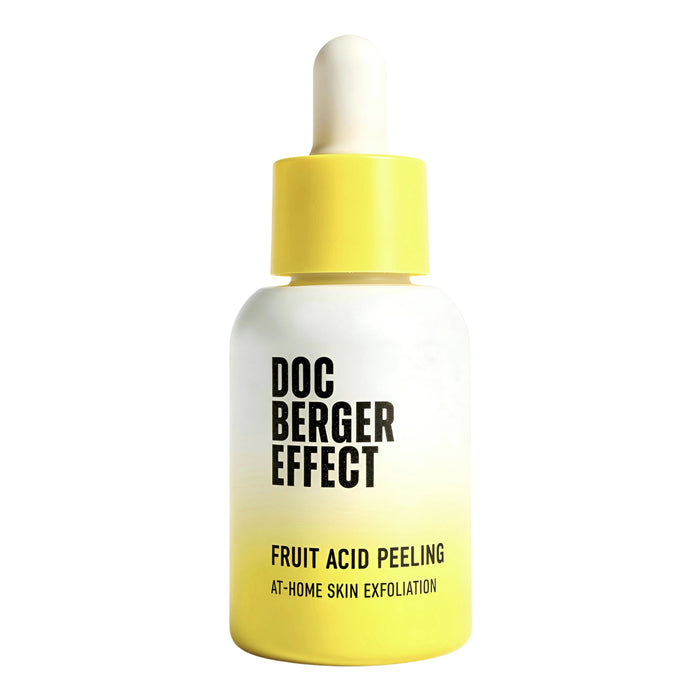

Intensive fruit acid peel that removes dead skin cells and refines the skin's texture—for non-sensitive skin


Gentle retinol serum with added bakuchiol—ideal for those new to retinol
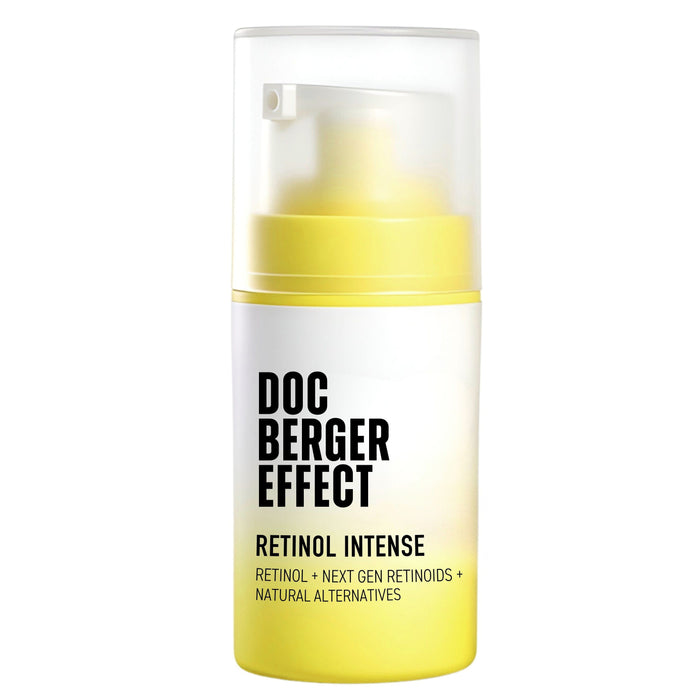

High-potency retinol serum with added retinoids and bakuchiol—ideal for skin accustomed to retinol


Clarifying Night Serum for Blemishes and Dark Spots
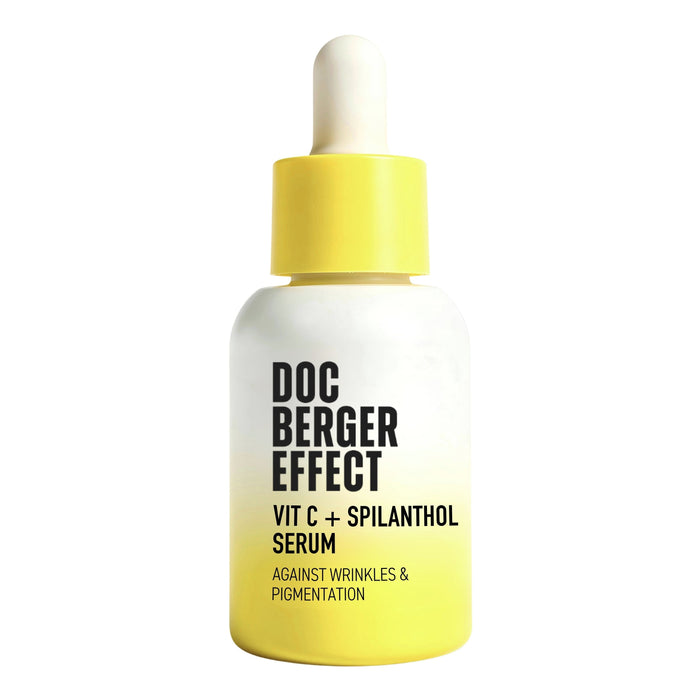

Highly Concentrated Vitamin C Serum with Spilanthol ("Biobotox")

August 24, 2026 – Dr. Luise Berger
Dr. Luise Berger (“Doc Berger”) is a board-certified specialist in plastic and aesthetic surgery, the founder of a renowned practice in Munich, and the developer of the DOC BERGER EFFECT line of active-ingredient cosmetics. For more than 20 years, she has been studying the female body, aesthetics, skin, the aging process, and how to preserve natural beauty for as long as possible.
Read more
August 24, 2026 – Dr. Luise Berger
You can purchase DOC BERGER EFFECT online as well as in-store in Munich, Berlin, and Hamburg. This highly effective skincare brand is available in the official online store, directly from Dr. Luise Berger, and at select exclusive beauty retailers.
Read more
August 7, 2026 – Dr. Luise Berger
Serums have long been among the most popular skincare products—and for good reason. They provide the skin with highly concentrated active ingredients such as hyaluronic acid, vitamin C, or niacinamide. Many people prefer a light, fast-absorbing texture that doesn’t leave a sticky feeling and works perfectly as a base under makeup. But not every serum absorbs equally well—the formulation...
Read moreDiscover more
Newsletter
Join our skincare community and never miss any updates!
Currency
Get 10% off your first order
Subscribe to our newsletter and get access to insider information from Dr. Luise Berger and exclusive benefits.
By entering my email address, I agree to receive emails from Effect & Result GmbH and confirm that I have read the privacy policy.