Scars and Proper Scar Care

November 29, 2024 – Dr. Luise Berger

Scars are visible reminders of skin injuries or inflammation. They can result from acne, surgery, injuries, or burns, and vary greatly in appearance—from flat, inconspicuous lines to raised or sunken scars. While scars are a natural part of the healing process, many people find them bothersome, especially when they appear in prominent areas.

The good news: Scar care is now a major focus of dermatological research and skincare. With the right routine, innovative active ingredients, and modern skincare products, you can significantly improve the appearance of scars. Scar care isn’t just a matter of aesthetics—it also helps strengthen the skin barrier and promote overall skin health.

What are scars?

Scars are visible changes in the skin that occur when the deeper layers of the skin have been damaged and the body attempts to repair that damage. Unlike healthy skin, scar tissue is denser, less elastic, and often uneven in color and texture. This is because, during the healing process, the skin primarily produces collagen to close the wound quickly, rather than fully reconstructing the original skin tissue.

Scar tissue differs from healthy skin in the following ways:

  • Reduced elasticity: Scar tissue contains fewer elastic fibers, which makes the skin stiffer and less stretchy.
  • Reduced function: Scar tissue lacks sweat glands, hair follicles, and sebaceous glands, making it less functional than normal skin.
  • Irregular structure: The collagen in scars is often disorganized and densely packed, in contrast to the uniform fibers in healthy skin.

Scars are the visible result of the healing process and can vary in appearance depending on the injury, the healing process, and genetic predisposition. They can be flat, raised, or sunken, and their color ranges from light to dark. Although scars are natural and often unavoidable, there are many ways to improve their appearance and restore the skin’s smoothness.

How does a scar form?

The formation of a scar is the final visible step in the skin’s natural healing process. This process can be divided into three phases: the inflammatory phase, the repair phase, and the remodeling phase. Each phase plays an important role in closing the wound and regenerating the tissue.

1. Inflammatory Phase: The Start of Healing

In the first few hours to days after an injury, the body responds with an inflammatory reaction. Blood clotting seals the wound, while immune cells enter the area to remove bacteria and debris. During this phase, swelling often occurs, and the skin may be tender or reddened.

2. Repair phase: Formation of new tissue

After about three to seven days, the body begins to form new tissue. Fibroblasts, specialized cells, produce collagen, which serves as a scaffold for healing. However, these collagen fibers are still disorganized and appear less elastic than the original tissue.

3. Recovery Phase: Scar Formation

After a few weeks to months, the scar begins to take on its final shape. The collagen is remodeled and becomes more densely organized. Deep scars form when the deeper layers of the skin (dermis) have been damaged. Superficial injuries to the epidermis, on the other hand, often heal without scarring, since the skin is able to produce new cells from the basal cell layer of the epidermis.

The final appearance of a scar depends on several factors, including the depth of the injury, genetic predisposition, and care during the healing process. Throughout the entire process, you can positively influence the appearance of the scar by taking specific measures, such as moisturizing and protecting the skin from UV rays.

Types of Scars and Their Characteristics

Not all scars are the same—their appearance and proper care depend on the type of injury and the healing process. To treat scars effectively, it’s important to understand the different types. Here are the most common types of scars and their characteristics:

Hypertrophic Scars

Hypertrophic scars form when the body produces an excessive amount of collagen during the healing process. They are often raised, reddish, and remain within the original wound boundaries. These scars occur frequently, especially after surgery or major injuries.

Nursing Approaches:

  • A continuous supply of moisture is essential for keeping the skin supple and relieving feelings of tightness.
  • Nourishing formulas with active ingredients such as retinol or vitamin C can smooth the skin's texture, support regeneration, and reduce visible redness.

Keloids

Keloids are a more severe form of hypertrophic scars. In this condition, the scar tissue grows far beyond the original wound margins and often forms a thick, irregular structure. These scars are genetically more common in people with darker skin types and can be itchy or even painful.

Nursing Approaches:

  • Cortisone injections and laser treatments are effective for stubborn keloids.
  • Regular care using moisturizing and soothing creams can be beneficial.

Atrophic Scars

Atrophic scars form when the skin does not produce enough new tissue during the healing process. They are typically sunken and often result from acne or chickenpox.

Nursing Approaches:

  • Microneedling and chemical peels promote cell renewal and collagen production.
  • Serums containing retinol or vitamin C help rebuild skin tissue and improve its structure.

Acne Scars

Acne scars can be either hypertrophic or atrophic and vary greatly in appearance. Inflamed, deep-seated pimples, in particular, often leave visible marks.

Nursing Approaches:

  • Regular use of retinol and targeted treatments with exfoliants or serums.
  • For deep scars, professional treatments such as laser therapy or microneedling can improve the skin's texture.

Why the Type of Scar Matters

Every type of scar requires tailored care to promote healing and smooth out the skin's appearance. With the right combination of skincare products and, if necessary, professional treatments, you can best address your skin's specific needs.

Active ingredients that visibly reduce scars

Choosing the right active ingredients is crucial when it comes to improving the appearance of scars. Scientifically proven ingredients can regenerate the skin, smooth out scars, and visibly refine the skin’s texture. These three active ingredients are the focus here:

1. Vitamin C: The Collagen Booster

Vitamin C is a true all-rounder in skincare. As a powerful antioxidant, it supports collagen production, which is crucial for the regeneration of scar tissue. At the same time, it lightens discoloration—which often occurs with scars—and protects the skin from free radicals.

How it helps:

  • Promotes the formation of healthy skin tissue.
  • Reduces dark spots and pigmentation.
  • Supports the skin's natural barrier.

How to Use:
Apply a vitamin C serum directly to the scar, preferably in the morning before applying your moisturizer.

DOC BERGER EFFECT Recommendation:

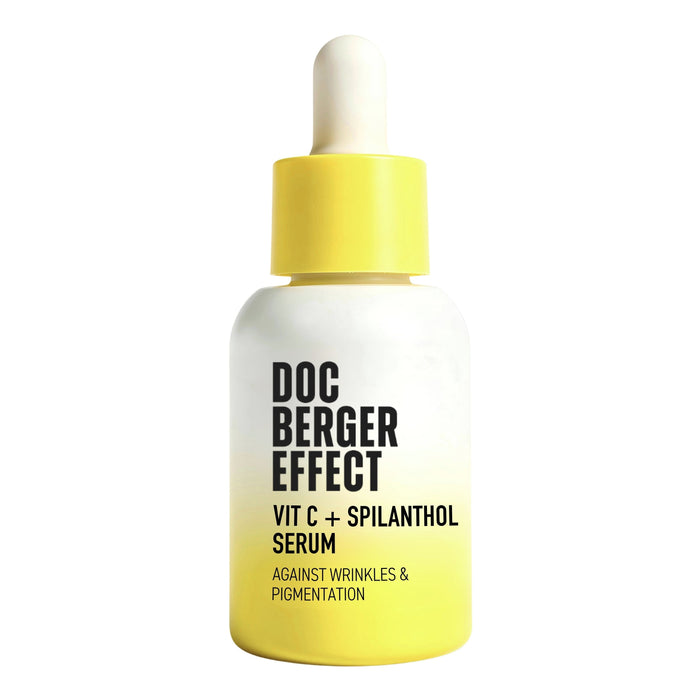
  • Vitamin C + Spilanthol Serum: Highly concentrated vitamin C promotes collagen production, brightens the skin, and gives you a more radiant complexion.

2. Retinol: The Miracle Ingredient for Skin Renewal

Retinol, a derivative of vitamin A, accelerates cell renewal and promotes the production of collagen and elastin. It is particularly effective for atrophic and acne scars, as it rebuilds tissue and smooths the skin's surface.

How it helps:

  • Smoothes rough skin and reduces unevenness.
  • Stimulates cell renewal and minimizes the depth of scars.
  • Reduces fine lines and improves skin texture.

Directions for Use:
Apply retinol in the evening after cleansing. Start with a low concentration to allow your skin to gradually adjust to the active ingredient.

DOC BERGER EFFECT Recommendation:

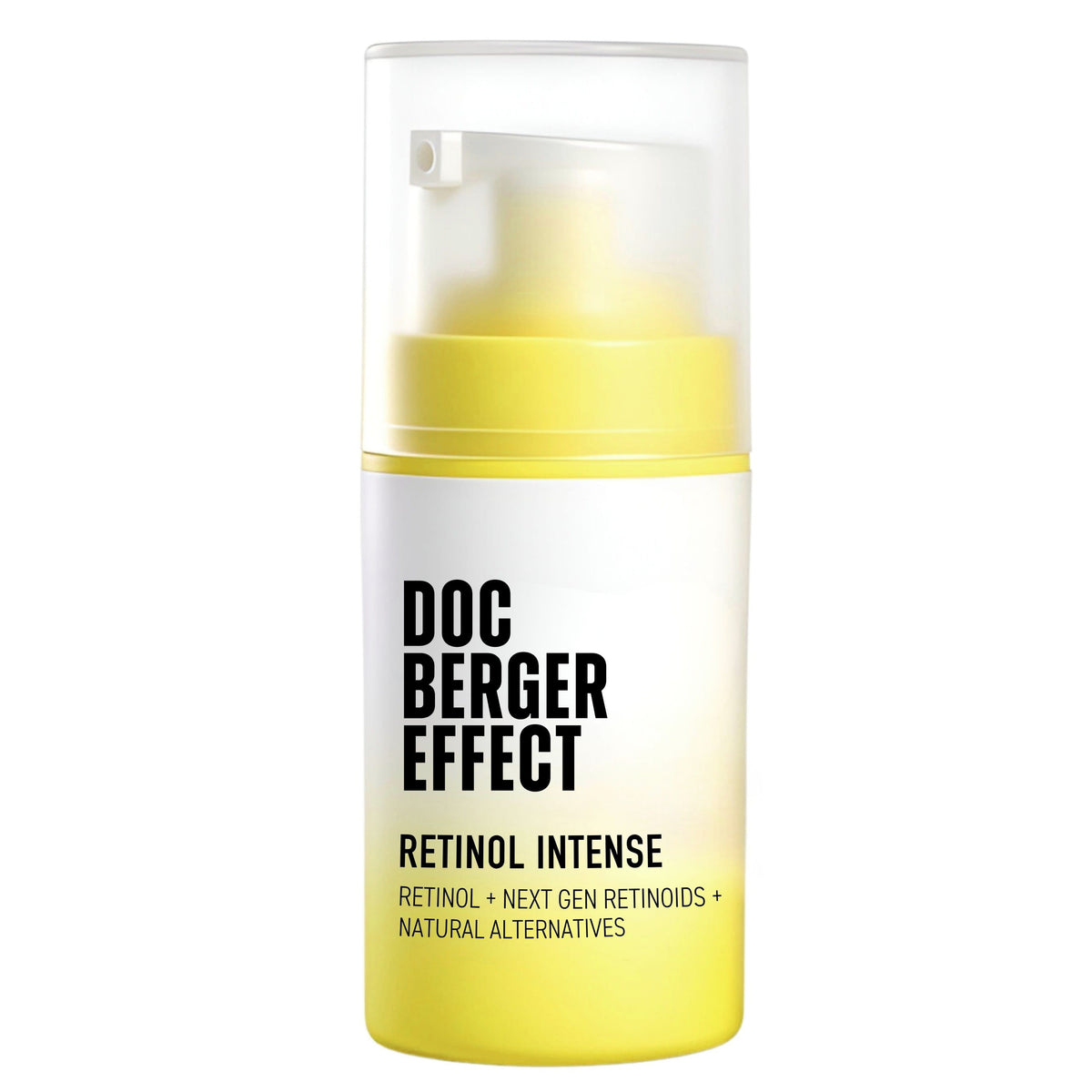
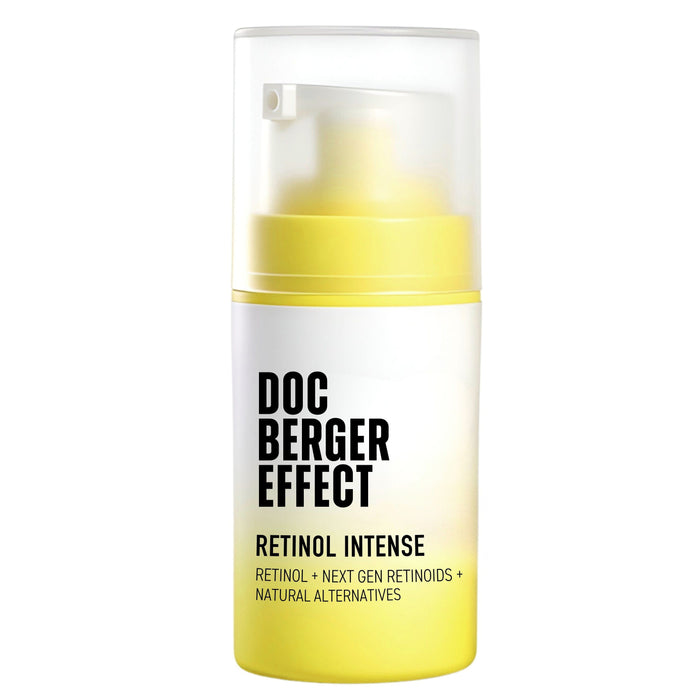
  • Retinol Serum: Helps specifically improve skin texture and visibly reduce scars.

3. Sun Protection: The Unsung Hero of Scar Care

UV rays can make scars darker and more noticeable because they stimulate melanin production. Effective sun protection is therefore essential to prevent changes in skin pigmentation and promote healing.

How it helps:

  • Prevents fresh scars from discoloring.
  • Protects delicate skin from UV rays and environmental damage.
  • Supports skin regeneration.

Directions for Use:
Apply daily to cleansed skin, even on cloudy days.

DOC BERGER EFFECT Recommendation:

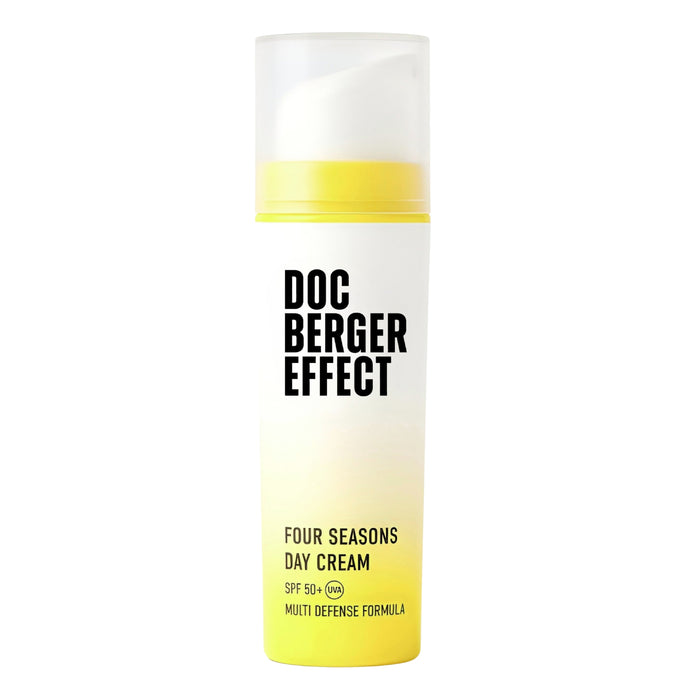
  • Four Seasons Day Cream: With SPF 50+, it protects the skin from UV rays and free radicals while locking in moisture.

Why These Active Ingredients Should Work Together

The combination of vitamin C, retinol, and sunscreen provides your skin with comprehensive care. While vitamin C boosts collagen production and lightens discoloration, retinol helps create a smoother skin texture. Sunscreen complements this regimen by protecting the sensitive scar from external factors and promoting regeneration.

Professional Treatments for Stubborn Scars

Sometimes even the best skincare routine isn't enough to completely reduce deep or particularly noticeable scars. In such cases, professional treatments can be a useful addition. Dermatologists and skin care experts offer various methods that specifically target scars and can significantly reduce their visibility.

1. Microneedling: Collagen Production Through Micro-Injuries

Microneedling involves using tiny needles to create micro-injuries in the skin. These stimulate the skin’s natural collagen production and promote tissue regeneration. This method is particularly effective for atrophic scars, such as those often caused by acne.

Advantages:

  • Reduces the depth of scars.
  • Improves skin texture and elasticity.
  • Helps the skin absorb skincare products after treatment.

2. Laser Treatments: Precise Skin Regeneration

Laser therapies are among the most effective methods for targeting scar tissue. Depending on the type of scar, either the top layer of skin is removed or the deeper layers of skin are stimulated to produce collagen.

Types of Lasers:

  • Ablative lasers: Remove the top layer of skin and smooth out hypertrophic or raised scars.
  • Non-ablative lasers: Penetrate deeper into the skin and stimulate regeneration without damaging the outermost layer of skin.

Advantages:

  • Particularly effective for hypertrophic and atrophic scars.
  • Can be combined with other treatments, such as microneedling.

3. Chemical peels: Gentle exfoliation of skin layers

Chemical peels use acids such as glycolic or salicylic acid to gently remove the outermost layers of the skin. This method is ideal for reducing pigmentation spots and superficial scars.

Advantages:

  • Promotes cell renewal and reveals fresh, healthy skin.
  • Refines skin texture and reduces uneven skin tone.

4. Cortisone Injections: Flatter Scars Through Tissue Reduction

For hypertrophic scars and keloids, cortisone injections can be an effective solution. The active ingredient reduces the excess tissue, making the scar flatter and less noticeable.

Advantages:

  • Particularly effective on raised scars.
  • Visible results often appear after just a few sessions.

5. Fillers: Filling in atrophic scars

For sunken scars, such as atrophic or acne scars, hyaluronic acid-based fillers can be used. They lift the tissue and create a more even skin surface.

Advantages:

  • Results you can see right away.
  • Particularly suitable for smaller indentations.

Combination of Treatments and Care

Professional treatments can often drastically reduce scars, but proper skincare remains essential for maintaining the results and further strengthening the skin. A combination of both approaches—regular care with products like the Vitamin C + Spilanthol Serum and targeted retinol application—ensures that your skin can regenerate over the long term.

When is the right time to seek professional treatment?

Treatments are particularly effective when the scar is no longer fresh but is still in the active healing phase. For older scars or stubborn cases, it’s worth consulting a dermatologist to find the right treatment method.

Conclusion: What helps with scars?

Scars are a natural part of the healing process—but they don’t have to remain visible forever. With the right care, the right active ingredients, and targeted treatments, you can significantly improve the appearance of scars while promoting skin health.

The combination of vitamin C, retinol, and daily sunscreen forms the foundation for effective scar care. These ingredients support skin regeneration, smooth the skin’s texture, and protect sensitive tissue from external factors. In addition, professional treatments such as microneedling or laser treatments offer effective solutions for stubborn or older scars.

It’s even better to prevent scarring early on. With consistent UV protection, proper wound care, and regular scar massages, you can support the healing process and minimize the risk of noticeable scars.

Scar care requires patience and a consistent routine—but the results are worth it. With a holistic approach, you give your skin the best conditions to regenerate and regain its even, radiant appearance.

For a limited time only, get 10% off with our