RETINAL

July 12, 2024 – Dr. Luise Berger

1. DESCRIPTIONOF RETINAL:

Retinal, also known as retinaldehyde, is an active derivative of vitamin A and an effective ingredient in skincare. It is a precursor to retinoic acid and is converted into it by the body. Retinal is known for its ability to accelerate cell renewal and stimulate collagen production, making it an effective anti-aging agent.

2. EFFECTS OF RETINAL:

Retinal penetrates deep into the skin and combats the signs of aging. It reduces fine lines and wrinkles, improves skin texture, and promotes a more even skin tone. In addition, Retinal is effective in treating acne, as it shrinks pores, helping to achieve clearer, more radiant skin. It also has antioxidant properties that protect the skin from harmful environmental factors.

3. USE OF RETINAL:

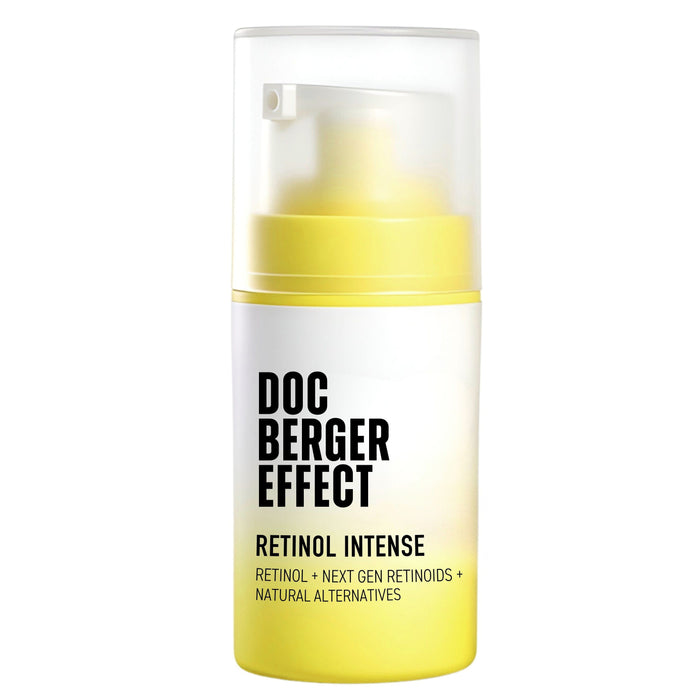
Retinal is found in various skincare products, such as serums and creams. It is often used in anti-aging products to improve skin texture and promote a more youthful appearance. Since retinal is less irritating to the skin than retinol, it can also be used by people with sensitive skin. Retinal serum should be applied in the evening, as it can make the skin more sensitive to light.

4. SKIN PROBLEMS THAT RETINAL IS EFFECTIVE AGAINST:

  • Signs of skin aging, such as fine lines and wrinkles
  • Unevenness and rough skin texture
  • Acne and Clogged Pores
  • Pigment spots and uneven skin tone
  • Protection against oxidative stress and environmental damage

WHAT IS RETINAL?

Originally identified as another form of vitamin A, retinal has established itself as a powerful ingredient in skincare. Although its properties were long overshadowed by those of the better-known retinol, retinal is gaining increasing prominence due to its potent yet gentle effects.

Chemically speaking, retinal belongs to the retinoid family and is a precursor to retinoic acid. Its structure, consisting of a cyclohexene ring and an isoprenoid side chain, allows retinal to penetrate deep into the skin and act there at the cellular level. This ability is crucial to its anti-aging effect, as retinal influences cell division and renewal. Like retinol, retinal is sensitive to light and air, which places special demands on the packaging of retinal products to preserve their effectiveness.

NATURAL SOURCES OF VITAMIN A

Vitamin A is found in various foods. The human body converts vitamin A into retinal through hydrolysis, which is then further processed in the liver. The most important foods rich in vitamin A include meat—especially liver—fish, eggs, and dairy products.

Plant-based foods often contain beta-carotene, a precursor to vitamin A that the body can convert into vitamin A. Beta-carotene is particularly abundant in carrots, but red bell peppers, tomatoes, spinach, and broccoli are also good sources of this provitamin. The conversion of beta-carotene to vitamin A is an important process that helps maintain various bodily functions, including supporting skin health.

WHAT IS THE DIFFERENCE BETWEEN RETINOL AND RETINAL?

Although retinol and retinal both belong to the retinoid family and offer similar benefits for skin care, there are significant differences between these two active ingredients. These differences affect their efficacy, tolerability, and use in skin care.

CHEMICAL STRUCTURE AND TRANSFORMATION

Retinol (vitamin A1) and retinal (retinaldehyde) are chemically related substances, but their molecular structures differ slightly. Retinal is a direct precursor to retinoic acid, the most active form of vitamin A in the skin. To be effective, retinol must undergo a two-step conversion: first to retinal, and then to retinoic acid. Retinal, on the other hand, requires only a single step to be converted to retinoic acid, making it a more effective and efficient active ingredient.

EFFECTIVENESS AND SPEED OF RESULTS

Since retinal is closer to the final form of retinoic acid, it works faster and more effectively than retinol. Users of retinal often report faster and more visible results in reducing fine lines and wrinkles and improving skin texture. Retinol takes longer to take effect because it must first be converted.

SKIN TOLERANCE

Another significant difference lies in tolerability. Retinal is known for its milder side effects. It causes less skin irritation and redness compared to retinol, making it a suitable choice for people with sensitive skin. Retinol can cause dryness, flaking, and irritation in some users, especially if used too quickly or in too high a concentration.

STABILITY AND FORMULATION

Both active ingredients are sensitive to light and air, which requires careful formulation and packaging. Retinal, however, is slightly more stable than retinol, meaning it is less prone to degradation and can retain its effectiveness for longer when properly formulated and stored.

SCOPE OF APPLICATION

Retinol and retinal are both used in anti-aging products and acne treatments. Because retinal works faster and is less irritating, it is often used in products for sensitive skin or in formulations designed to deliver quick results. Retinol is widely used and can be found in many different skincare products, ranging from entry-level to advanced formulations.

Both retinol and retinal thus offer significant benefits for skincare, but they differ in terms of effectiveness, speed of results, and tolerability. Retinal offers a faster and often gentler alternative to retinol, making it an excellent choice for those who want to achieve visible results without irritating their skin too much.

BENEFITS OF RETINAL IN SKIN CARE

Retinal has established itself as a versatile and effective active ingredient in skincare. Its numerous benefits make it a valuable component in many skincare products. Here are some of the key benefits of retinal:

ANTI-AGING EFFECTS OF RETINAL

Retinal is particularly well-known for its impressive anti-aging properties. It stimulates collagen production in the skin, which is crucial for reducing fine lines and wrinkles. By promoting a firmer and more elastic skin structure, retinal helps give the skin a more youthful and fresh appearance. Products such as retinal serums and retinal creams are therefore essential components of any anti-aging skincare routine designed to effectively combat the signs of aging.

IMPROVING SKIN TEXTURE WITH RETINAL

Retinal works deep within the skin to accelerate cell renewal. This process helps remove dead skin cells more effectively and promotes the formation of new, healthy skin cells. The result is a smoother, more refined, and more even skin texture. Retinal products are therefore ideal for those seeking solutions to refine their complexion and renew their skin’s texture.

RETINAL IN ACNE TREATMENT

Retinal has also been shown to be effective in treating acne. It helps unclog pores, thereby reducing the occurrence of acne breakouts. In addition, retinal has anti-inflammatory properties, which help reduce acne and its associated symptoms. Skincare products containing retinal are therefore an excellent choice for people who struggle with acne-prone skin.

CORRECTING SKIN DISCOLORATION WITH RETINAL

Retinal can effectively help treat pigment spots and skin discoloration. It accelerates skin renewal, thereby improving the distribution of pigments in the skin. This leads to a lightening of dark spots and a more even skin tone. Retinal is therefore a key component in the treatment of hyperpigmentation and helps achieve a clearer and more radiant complexion.

ANTIBACTERIAL PROPERTIES OF RETINAL

In addition to its anti-aging and skin-renewing properties, retinal also has antibacterial properties. These make it an effective treatment for acne and other bacterial skin problems by inhibiting the growth of acne-causing bacteria.

PROMOTING SKIN HEALTH WITH RETINAL

Retinal not only contributes to the aesthetic improvement of the skin but also promotes its overall health and resilience. By stimulating skin renewal and improving collagen production, Retinal helps strengthen the skin barrier. This helps the skin better protect itself against environmental stressors and maintain its natural protective function. Retinal products are therefore an important part of a comprehensive skincare routine aimed at maintaining long-term skin health.

IMPROVING SCAR HEALING WITH RETINAL

Retinal is also an effective active ingredient for improving scar healing. It promotes skin renewal and stimulates collagen production, which significantly helps reduce scar tissue. Regular use of retinal can improve both the appearance and texture of scars. This makes retinal a valuable component in the treatment of scars, both on the face and on the body.

Retinal thus offers numerous benefits for skincare, ranging from combating skin aging and improving skin texture to treating acne and skin discoloration. Its milder side effects and effective mechanism of action make it an excellent active ingredient for all skin types, including sensitive skin. Regular use of retinal can lead to healthier, more youthful, and more radiant skin.

Black_and_Pink_elegant_simple_photo_floral_brand_business_photo_studio_Facebook_cover_photos_22 - DOC.BERGER | EFFECT

RETINAL, RETINAL DERIVATIVES, AND RETINOIDS: HERE ARE THE DIFFERENCES

WHAT ARE RETINOIDS?

Retinoids is a collective term for all forms of vitamin A used in skin care. The strongest and most biologically active form is retinoic acid (also known as tretinoin). Due to its high potency and the potential for severe skin irritation, retinoic acid is available only by prescription and should be used only under a doctor’s supervision.

RETINAL AND RETINAL DERIVATIVES

Retinal (retinaldehyde) is a precursor to retinoic acid and requires only a single conversion step to become its active form. This makes retinal more effective and faster-acting than retinol, while also being less irritating. Retinal offers a good balance between effectiveness and tolerability and is therefore included in many over-the-counter skincare products.

RETINOL AND ITS DERIVATIVES

Retinol is also a precursor to retinoic acid, but it requires two conversion steps (first to retinal, then to retinoic acid) to take effect. Because of these additional conversion steps, retinol acts more slowly and more gently than retinal. Retinol is widely used and is found in many over-the-counter skin care products.

For even gentler applications, there are retinol derivatives (also known as retinol esters), such as:

  • Retinyl palmitate
  • Retinyl acetate
  • Retinyl linoleate

On the skin, these derivatives are first converted into retinol, then into retinal, and finally into retinoic acid. Because of their mild effects, these derivatives are particularly suitable for sensitive skin types.

EFFECTIVENESS AND TIMELINE OF RETINAL

The time it takes to see visible improvements from retinal can vary depending on skin type, the product used, and its dosage. Since retinal is quickly converted into retinoic acid, results often appear faster than with retinol. Nevertheless, it’s advisable to give the active ingredient about eight to twelve weeks to take full effect. Patience pays off, as retinal can bring about profound changes in skin structure, such as the reduction of fine lines, wrinkles, and hyperpigmentation.

RETINAL FOR VARIOUS SKIN CONDITIONS

Retinal has established itself as a versatile active ingredient for various skin types. It offers numerous benefits, ranging from treating acne to reducing signs of aging:

RETINAL FOR OILY SKIN

For people with oily skin, retinal can be an extremely effective solution. It helps regulate sebum production and reduce the appearance of enlarged pores. This results in a clearer, less shiny complexion. Retinal also helps prevent acne breakouts, which are common in people with oily skin.
RETINAL FOR DRY SKIN

Dry skin can benefit from the use of retinal, especially when used in combination with moisturizing ingredients. Retinal promotes cell renewal, which leads to a smoother skin texture and improved moisture retention. Since retinal is less irritating than other retinoids, it is particularly suitable for dry and sensitive skin types.

RETINAL FOR MATURE SKIN

Retinal is particularly effective for mature skin, as it stimulates collagen production and thereby firms the skin. It helps reduce fine lines and wrinkles and contributes to a more youthful appearance. Retinal improves skin elasticity and promotes firmness, making it an essential ingredient in anti-aging products.

RETINAL FOR COMBINATION SKIN

Retinal can help balance the oily and dry areas of combination skin. It regulates sebum production in the oily areas while moisturizing the dry areas. This results in a more even complexion and reduces the problems associated with combination skin.

RETINAL FOR PIGMENTED SPOTS

Retinal is effective in treating pigment spots. It accelerates the skin renewal process and helps lighten dark spots, resulting in a more even skin tone. With consistent use of Retinal products, hyperpigmentation can be visibly reduced.

RETINAL FOR IMPURE SKIN/ACNE

Retinal is a proven active ingredient in acne treatment. It helps unclog pores and regulate sebum production, which reduces the occurrence of acne breakouts. Retinal has anti-inflammatory properties and supports the healing of existing acne while also preventing the formation of new pimples and blackheads.

Overall, Retinal offers a wide range of benefits for various skin types and is a key component in modern skincare that effectively addresses a variety of skin concerns. Its ability to renew the skin, hydrate it, and regulate sebum production makes it a valuable part of any skincare routine. Whether you have oily, dry, mature, combination, or blemish-prone skin—Retinal offers the right solution for every skin type.

EFFECTIVE SCAR TREATMENT WITH RETINAL

Scars caused by acne, burns, cuts, or surgery can have a long-term impact on the appearance of the skin. The appearance and development of scars depend on various factors, including genetic predisposition, the scar’s location, skin type, age, and overall health. During the active healing phase, when the scars are still red and in the process of healing, their appearance can be improved.

RETINAL IN SCAR TREATMENT

Retinal is an effective active ingredient for scar treatment that promotes skin renewal and boosts collagen production. These properties make it an ideal treatment for refining skin texture and improving the appearance of scars. By stimulating skin cell regeneration, Retinal helps smooth the surface of scars and supports skin repair. Retinal’s ability to boost collagen production strengthens the skin, which reduces the visibility of scars. In addition, Retinal helps minimize pigmentation spots that often accompany scars and improves skin elasticity, contributing to effective scar healing and an improved complexion.

THE IMPORTANCE OF SUN PROTECTION WHEN USING RETINAL

Retinal can make the skin more sensitive to sunlight. This happens because retinal accelerates cell turnover and removes dead skin cells, causing the outermost layer of skin to become thinner. This reduces the skin’s natural protective barrier, leading to increased susceptibility to sunburn. The dryness of the skin caused by retinal can be exacerbated by sun exposure.

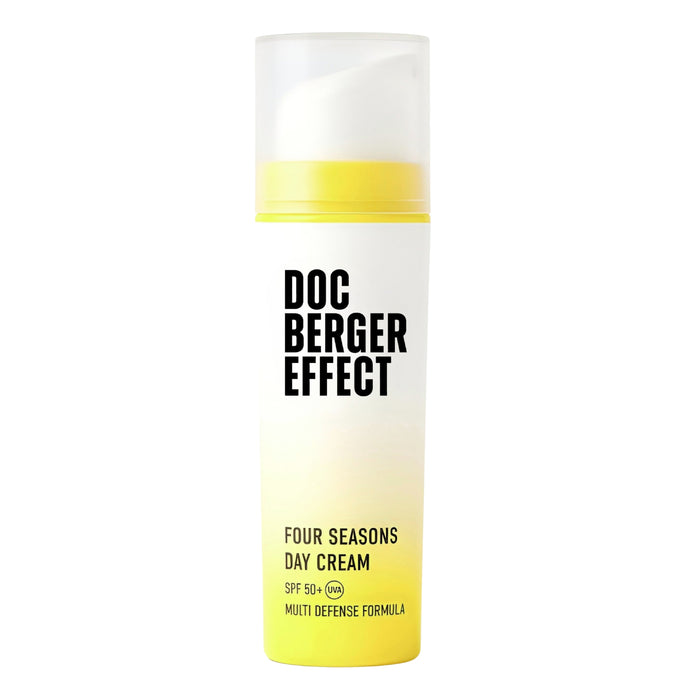
Therefore, it is important to use effective sunscreen during the day when using products containing retinal. A high-quality sunscreen protects the skin from harmful UV rays and prevents photoaging. Retinal products should preferably be applied in the evening to maximize their effectiveness and minimize the risk of sun damage.

CONCLUSION ON RETINAL IN SKIN CARE

Retinal has established itself as an indispensable component of skincare, particularly for its anti-aging properties and its ability to accelerate skin renewal. This active ingredient not only promotes deep skin regeneration but also helps effectively treat various skin concerns such as acne, scars, and hyperpigmentation. Because retinal causes less irritation than other retinoids, it is particularly well-suited for sensitive skin and allows you to reap the benefits of vitamin A without putting too much strain on the skin.

Regular use of retinal can lead to a significant improvement in the appearance of the skin by firming it, reducing fine lines and wrinkles, and refining the overall skin texture. Retinal’s ability to stimulate collagen production helps maintain youthful-looking skin and supports the skin in retaining its natural elasticity and firmness. In addition, Retinal helps reduce dark spots and promote a more even complexion, resulting in a more radiant and clearer complexion.

For a limited time only, get 10% off with our