1. Gentle Cleansing
Blemished Skin
Complexion
Pores
Distinctive Feature
Free shipping on orders of €200 or more
Retinol Named Top Pick in the "taff" TV Test
Start Your Free Skin Analysis
Created by Dr. Berger, a medical specialist
NEW: Platinum Elixir
Made in Germany
Earn valuable loyalty points
Customers frequently searched for:
Are you tired of constantly dealing with pimples, blackheads, and redness? Problem skin can be particularly challenging, as it’s often caused by a combination of excessive sebum production, clogged pores, and bacterial infections. Whether your skin is oily, dry, sensitive, or combination, breakouts can occur and affect your complexion. With the right skincare routine, you can combat breakouts, soothe your skin, and achieve a clear, healthy complexion.
Blemished Skin
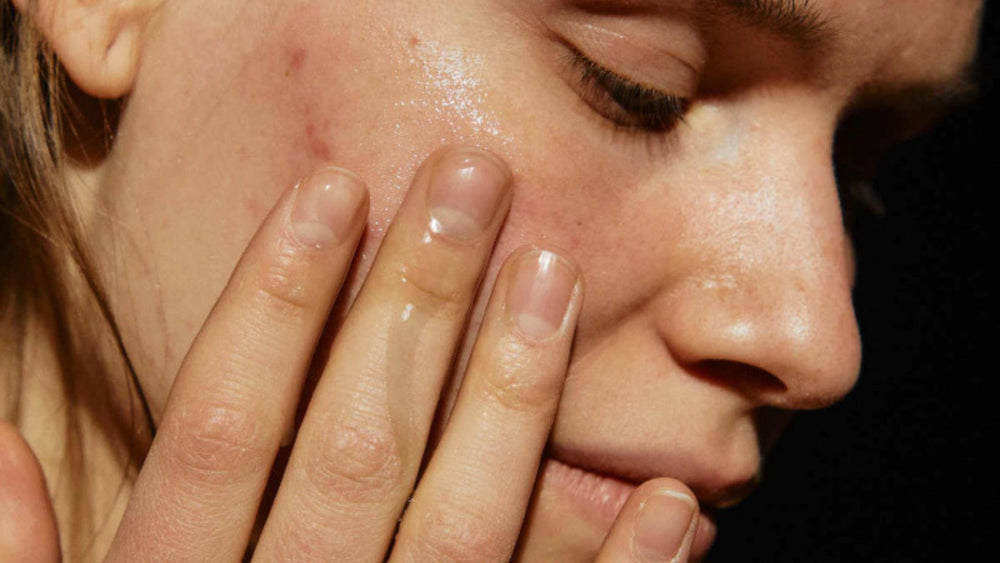
Acne-prone skin is characterized by the appearance of pimples, pustules, and blackheads, and often by redness and inflammation as well.
Complexion
The complexion is often uneven and prone to inflammation and skin irritation.
Pores
Blemished skin often has enlarged pores, especially in areas prone to acne. These pores can become clogged and lead to further skin problems.
Distinctive Feature
Targeted skincare using antibacterial and sebum-regulating products helps reduce blemishes and clarify the complexion.
Blemished skin is not a distinct skin type, but rather a skin condition that can occur in all skin types—whether oily, dry, sensitive, normal, or combination skin. Blemishes such as pimples, blackheads, and pustules are often caused by a combination of excessive sebum production, clogged pores, and bacterial infections. This condition can be exacerbated by hormonal changes, stress, an unhealthy diet, or unsuitable skincare products.
Skincare for blemish-prone skin aims to keep pores clean, regulate excess sebum, and reduce inflammation. Products containing active ingredients such as salicylic acid or retinol are particularly effective because they have antibacterial properties and help clear the skin. Gentle yet thorough cleansing is essential for removing dirt and excess oil without irritating or drying out the skin. In addition, non-comedogenic day creams and night creams to adequately hydrate the skin without clogging the pores. With the right skincare routine, blemishes can be reduced and a clearer, healthier complexion achieved, regardless of your underlying skin type.
Acne-prone skin is a skin condition characterized by the appearance of blackheads, whiteheads, pustules, and sometimes acne. It is caused by a combination of excessive sebum production, clogged pores, and the presence of bacteria, which can lead to inflammation. Acne-prone skin can occur at any age, but it is particularly common during puberty due to hormonal changes.
There are many causes of blemished skin:
Yes, blemish-prone skin can also be dry. Although blemish-prone skin is often associated with oily skin, people with dry skin can also suffer from breakouts. This occurs when the skin barrier is damaged, preventing the skin from retaining enough moisture while making it more susceptible to irritants and bacteria. A weakened skin barrier can lead to micro-inflammation and clogged pores, which in turn cause breakouts.
It is important to avoid products that contain comedogenic ingredients. Comedogenic ingredients are substances that clog pores and can therefore contribute to the formation of blackheads and pimples. These ingredients include:
Products containing the following active ingredients are suitable for treating blemish-prone skin:
These ingredients help keep pores clean, reduce inflammation, and improve the appearance of the skin over time.
It is recommended to wash your face twice a day—in the morning and at night—with a mild but effective cleansing foam, followed by a clarifying facial toner. Excessive washing can dry out the skin and increase sebum production, which can lead to more breakouts. Be sure to use a cleansing foam that thoroughly cleanses the skin without irritating or drying it out.
To prevent acne scars, it's important to avoid squeezing pimples and to follow a good skincare routine. The following measures can be helpful in treating acne scars:
Deliver Instant Hydration, Reduce Puffiness & Smooth Fine Lines
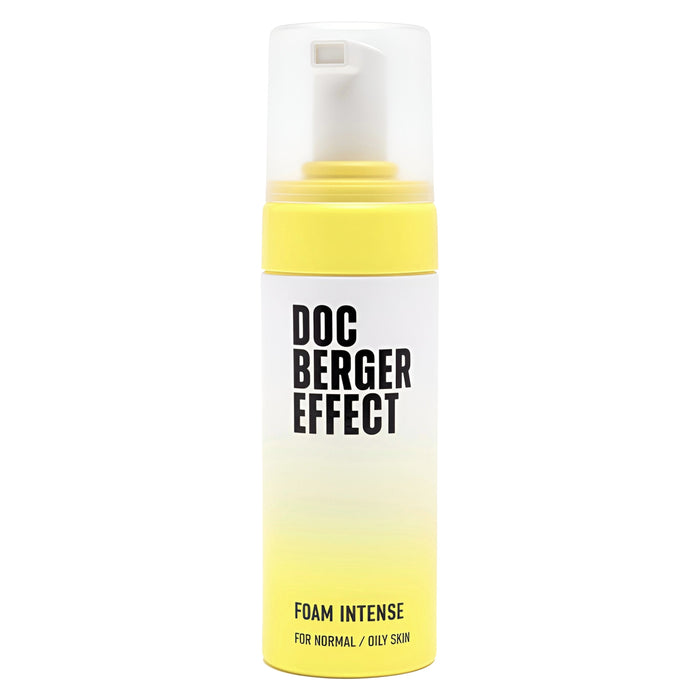
Intensive cleansing foam with a gentle exfoliating effect—for normal, oily, or blemish-prone skin
Exclusive collagen night cream with a light texture and innovative anti-aging benefits—for skin at its best
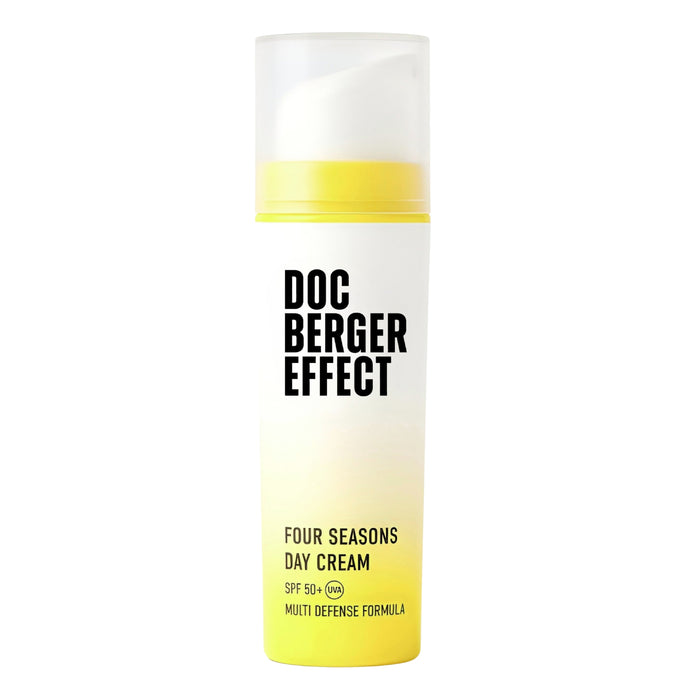
Day cream with SPF 50+ and enhanced protection against blue light and infrared rays
Gentle retinol serum with added bakuchiol—ideal for those new to retinol
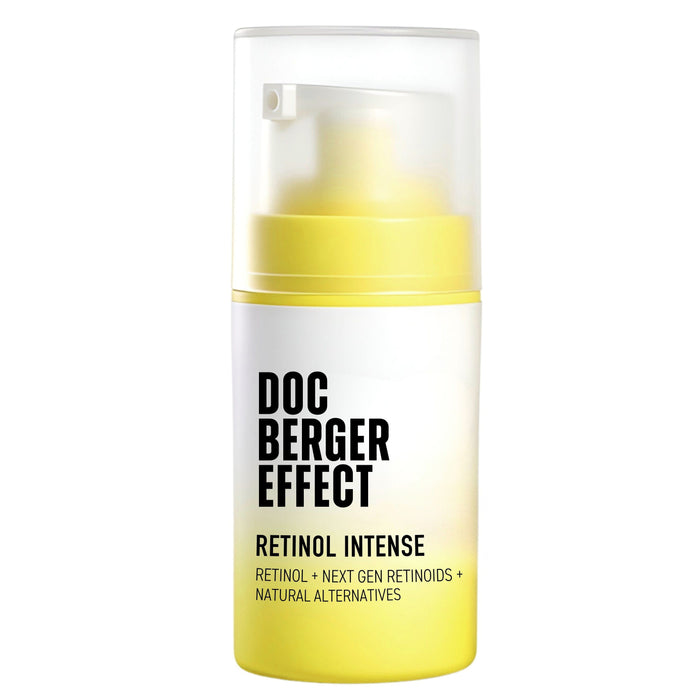
High-potency retinol serum with added retinoids and bakuchiol—ideal for skin accustomed to retinol
Clarifying Night Serum for Blemishes and Dark Spots
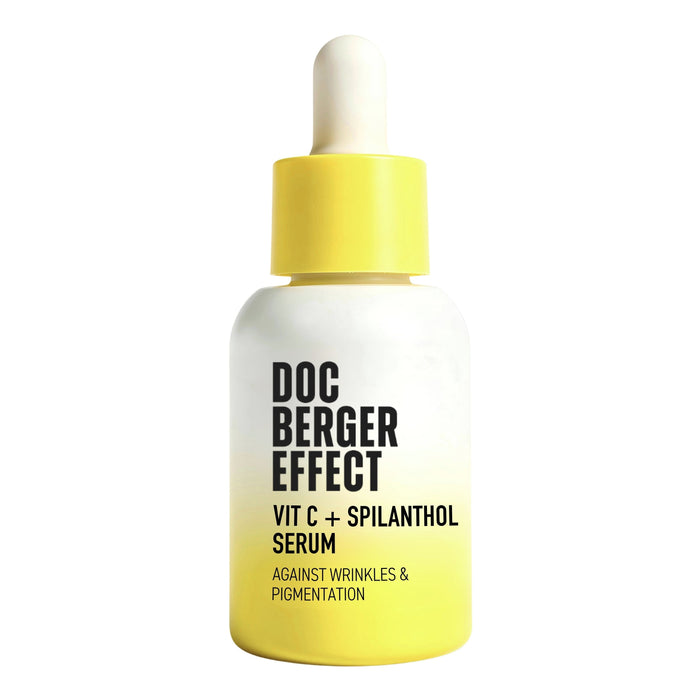
Highly Concentrated Vitamin C Serum with Spilanthol ("Biobotox")
Tips for Radiant, Beautiful Skin
1. Gentle Cleansing
Use a mild but effective cleansing foam to remove excess oil and dirt without drying out your skin. Cleansing foams and facial toners containing ingredients such as salicylic acid, niacinamide, and witch hazel extract are ideal because they have antibacterial properties and help dissolve residue that clogs pores. Cleanse your face twice a day to keep your pores clean.
2. Avoiding harsh products
Avoid using harsh exfoliants and alcohol-based toners, which can irritate the skin and stimulate sebum production. Instead, choose products with soothing and anti-inflammatory ingredients, such as aloe vera or panthenol, to reduce redness and soothe the skin.
3. Non-comedogenic day and night creams
Even acne-prone skin needs moisture. Choose a lightweight, non-comedogenic day and night cream that won't clog your pores. Products containing ingredients like niacinamide or hyaluronic acid can help hydrate your skin while reducing inflammation.
4. Targeted Treatment
Opt for specialized treatments such as serums containing retinoids or Acnacidol™, which are applied directly to the affected areas. These products help kill bacteria, reduce inflammation, and renew skin cells.
5. Nutrition and Hydration
Make sure to eat a balanced diet that’s low in sugar and dairy products, which can worsen acne in some people. Instead, include plenty of fruits, vegetables, and whole grains in your diet to provide your skin with essential nutrients. Drink enough water to hydrate your body and flush out toxins.
6. Stress Relief
Stress can trigger the release of hormones that increase sebum production and lead to breakouts. Practice stress-management techniques such as yoga, meditation, or breathing exercises to find your inner balance and, in turn, soothe your skin.
7. Keep your hands off your face
Avoid touching your face with your hands too often, as this can transfer bacteria and dirt to your skin. This also applies to squeezing pimples, as this can worsen inflammation and lead to scarring.
8. Regularly change bed linens and towels
Bed linens and towels can absorb bacteria and oils that can lead to skin problems. Change them regularly to minimize the spread of bacteria and keep your skin healthy.
9. Choosing Cosmetics
Use makeup products labeled "non-comedogenic" to prevent your pores from becoming clogged. Be sure to thoroughly remove your makeup before going to bed to avoid skin irritation.
The skin produces sebum (oil) to keep it supple. However, excessive sebum production can lead to clogged pores, which provide a breeding ground for bacteria and can result in pimples and blackheads.
Hormones play a key role in regulating sebum production. Changes in hormone levels—such as those that occur during puberty, menstruation, pregnancy, or as a result of taking certain medications—can lead to increased sebum production and, consequently, blemished skin.
Propionibacterium acnes (P. acnes) is a bacterium that lives in the pores of the skin and feeds on sebum. Excessive growth of these bacteria can cause inflammation and contribute to the formation of pimples and pustules.
Sebum, dead skin cells, and dirt can accumulate in the pores and clog them. This often leads to the formation of blackheads (open comedones) and closed comedones, which can later become inflamed.
A predisposition to acne and blemished skin can be inherited. If family members have similar skin problems, you are more likely to be affected by them as well.
Certain foods, especially those high in sugar or dairy, can cause the skin to deteriorate in some people. An overall unhealthy diet can also have a negative impact on the skin.
Stress can affect hormone production, particularly the production of cortisol, which can stimulate sebaceous gland activity. This can lead to an increase in skin blemishes.
Using unsuitable or overly harsh skin care products can irritate the skin and weaken its natural protective barriers. This can lead to increased sebum production and inflammation.
Pollution, dirt, and fine particulate matter can accumulate on the skin and clog the pores. High humidity or sweating can also contribute to the development of skin blemishes.
What You Should Know About Acne-Prone Skin
Pimples, also known as acne or blemishes, are small, inflamed bumps on the skin caused by clogged pores. They occur when sebum, dead skin cells, and dirt block the pores, allowing a bacterium called Propionibacterium acnes to multiply within the clogged pores. These bacteria cause inflammation, leading to red, swollen, and sometimes painful pustules. Pimples can take various forms, including blackheads, whiteheads, papules, and pustules.
The development of acne is multifactorial and is primarily influenced by hormonal fluctuations. These can occur not only during puberty, but also during the menstrual cycle, during pregnancy, or as a result of taking certain medications, such as steroids. In addition, genetic predisposition plays a role; people with a family history of acne are more likely to develop this skin condition. Other factors that can contribute to a worsening of the skin’s condition include stress, an unbalanced diet (particularly the consumption of sugar and dairy products), and environmental factors such as air pollution.
Recommended Active Ingredients
Beta-hydroxy acid (BHA)
Alpha-hydroxy acid
Vitamin A Derivative
Blemished skin is characterized by symptoms such as pimples, blackheads, and an overall uneven complexion. It is often caused by excessive sebum production, which leads to clogged pores and inflammation. In addition, hormonal fluctuations, stress, an unbalanced diet, and inadequate skincare can further affect the skin’s appearance.
Skincare for blemish-prone skin requires a targeted and consistent approach. At DOC.BERGER | EFFECT, we offer specially developed products that are precisely tailored to the needs of blemish-prone skin. Our formulations contain proven active ingredients such as salicylic acid and niacinamide, which help unclog pores, reduce inflammation, and soothe the skin over the long term.
Regular and thorough cleansing is essential for removing excess sebum and impurities. Using products specifically formulated to combat blemishes supports the skin’s regeneration and helps prevent new skin problems. At DOC.BERGER | EFFECT, you’ll find a carefully curated selection of facial care products that help visibly improve the appearance of blemish-prone skin and strengthen its health over the long term.
In skincare for blemish-prone skin , carefully selected active ingredients play a crucial role. They are designed to clarify the skin, reduce inflammation, and improve the skin’s appearance over the long term. At DOC.BERGER | EFFECT, we rely on an effective combination of proven and innovative ingredients to optimally address the complex needs of blemish-prone skin.
Retinol, a vitamin A derivative, promotes cell renewal and visibly refines the pores. It reduces blemishes, regulates sebum production, and improves skin texture. As a result, retinol is a key active ingredient in the treatment of blemish-prone skin—both for addressing existing problems and for preventing new breakouts.
Salicylic acid, a beta-hydroxy acid (BHA), penetrates deep into the pores and helps break down sebum buildup. At the same time, it has anti-inflammatory properties and clarifies the complexion, making it particularly effective for treating acne and blemishes.
Niacinamide (vitamin B3) strengthens the skin barrier and has anti-inflammatory properties. It reduces redness and irritation, regulates sebum production, and refines the appearance of pores—ideal for blemish-prone yet sensitive skin.
Vitamin C, also known as ascorbic acid, is a powerful antioxidant. It not only protects against oxidative stress, but also lightens acne scars and supports skin regeneration by promoting collagen synthesis.
Glycolic acid, an alpha hydroxy acid (AHA), removes dead skin cells and promotes cell renewal. This refines the skin’s texture, reduces blemishes, and lightens hyperpigmentation.
The synergistic combination of these active ingredients in DOC.BERGER | EFFECT’s facial care line for blemish-prone skin offers a scientifically proven, holistic solution to effectively combat blemishes and improve skin health in the long term.
Blemished skin requires careful and targeted care,
to effectively combat breakouts and blemishes.
Start your skincare routine with the "Foam Intense"
cleansing foam. This foam gently but thoroughly removes makeup residue,
sebum, and dead skin cells without drying out the skin. It is ideal for
deep cleansing of blemish-prone skin and optimally prepares it for the subsequent
skincare steps.
After cleansing with "Foam Intense," follow up with the
"Tonic Intense," which restores the skin’s optimal acidic pH balance and
perfectly prepares the skin to absorb active ingredients. In addition, the salicylic acid contained in
penetrates deep into the pores, promotes the exfoliation
of dead skin cells, and clears blockages. This makes the
“Tonic Intense” an essential step in the skincare routine for
blemish-prone skin.
In the morning, after cleansing, use the "Vit C +
Biobotox Serum," which stimulates collagen production, lightens acne scars
and smooths fine lines. Then apply the "Anti-Pollution Day
Cream," which protects your skin throughout the day from harmful environmental factors such as
UV/blue light and infrared rays.
In the evening, after double cleansing with “Foam Intense” and
“Tonic Intense,” we recommend the“Retinol Serum,” which
effectively combats skin imperfections, stimulates cell renewal, and
can reduce dark spots and acne scars. Finish your evening routine
with one of our effective night creams, which ensure maximum regeneration
of your skin overnight.
For a more intensive treatment, we recommend the
"Anti-Aging 15% Fruit Acid Peeling" to deeply cleanse and
renew your skin.
Discover the specialized facial care products for
blemish-prone skin from DOC.BERGER | EFFECT, which are designed to
clarify, soothe, and maintain the long-term health of your skin.
Discover more
Newsletter
Join our skincare community and never miss any updates!
Currency